Quick Answer
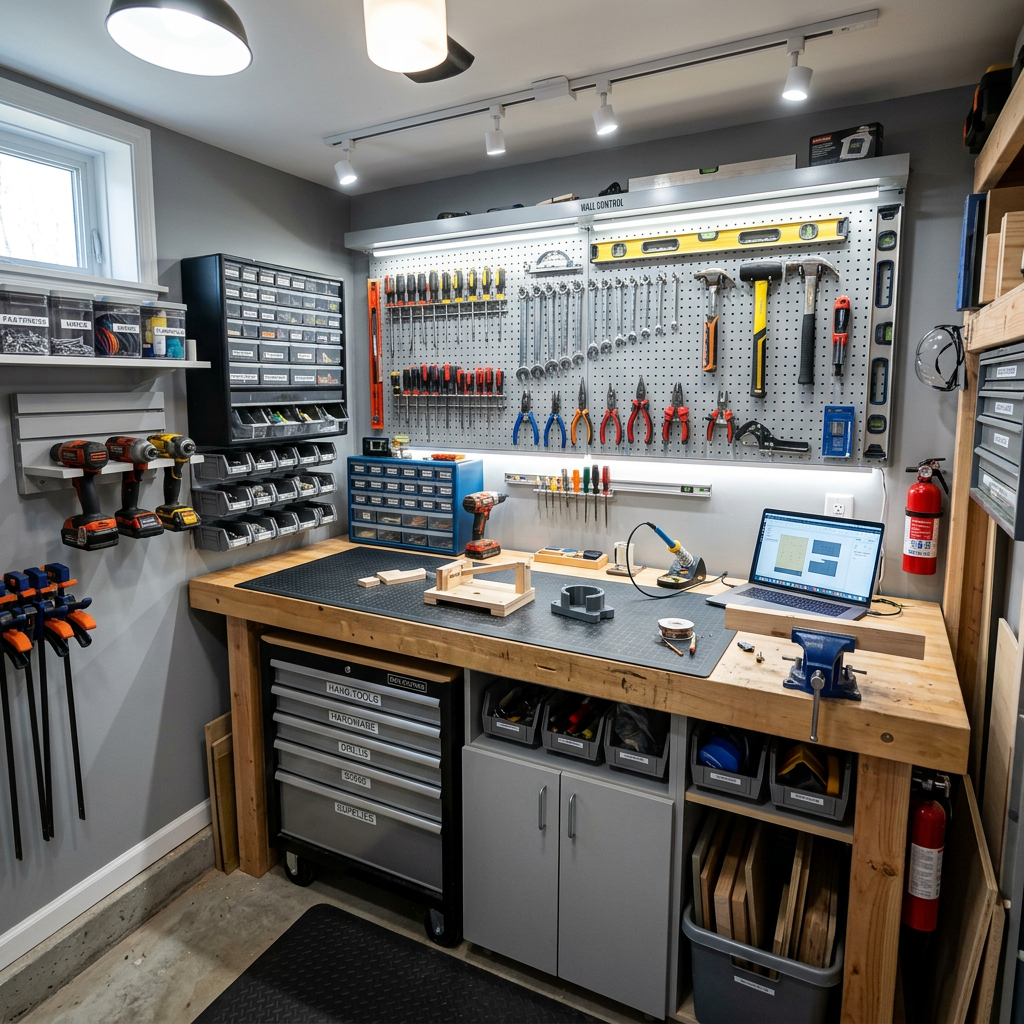
A successful small workshop setup focuses on maximizing available space through smart organization, efficient tool storage, a functional layout, and multi-purpose furniture.
By prioritizing workflow, vertical storage, safety, and flexibility, even a compact area can become a productive, organized workspace for DIY projects, crafts, and small-business operations.
Key Takeaways
| Key Point | Why It Matters |
|---|---|
| Prioritize workflow | Reduces wasted movement and increases productivity |
| Use vertical storage | Maximizes limited floor space |
| Invest in a multi-purpose workbench | Saves space while increasing functionality |
| Organize tools by frequency of use | Improves efficiency and accessibility |
| Maintain clear walkways | Enhances workshop safety |
| Choose mobile storage solutions | Allows flexible workspace arrangements |
| Plan for future growth | Prevents overcrowding and disorganization |
Small Workshop Setup: How to Create an Efficient Workspace in Limited Space
Why a Small Workshop Setup Requires Strategic Planning
A limited workspace can quickly become cluttered and inefficient without proper planning.
The goal of a successful small workshop setup is to maximize productivity while minimizing wasted space.
Whether you are a DIY enthusiast, hobbyist, craftsperson, or small business owner, the right setup allows you to:
- Complete projects faster
- Stay organized
- Improve safety
- Reduce frustration
- Make better use of available square footage
Assess Your Available Space
Before moving tools or purchasing storage systems, evaluate your workspace carefully.
Measure the Area
Record:
- Length
- Width
- Ceiling height
- Door locations
- Window placement
- Electrical outlets
Creating a simple floor plan helps visualize possibilities.
Identify Constraints
Common limitations include:
- Low ceilings
- Shared garage space
- Narrow walkways
- Limited electrical access
- Poor lighting
Understanding these challenges helps determine the most effective workshop layout.
Design an Efficient Workshop Layout
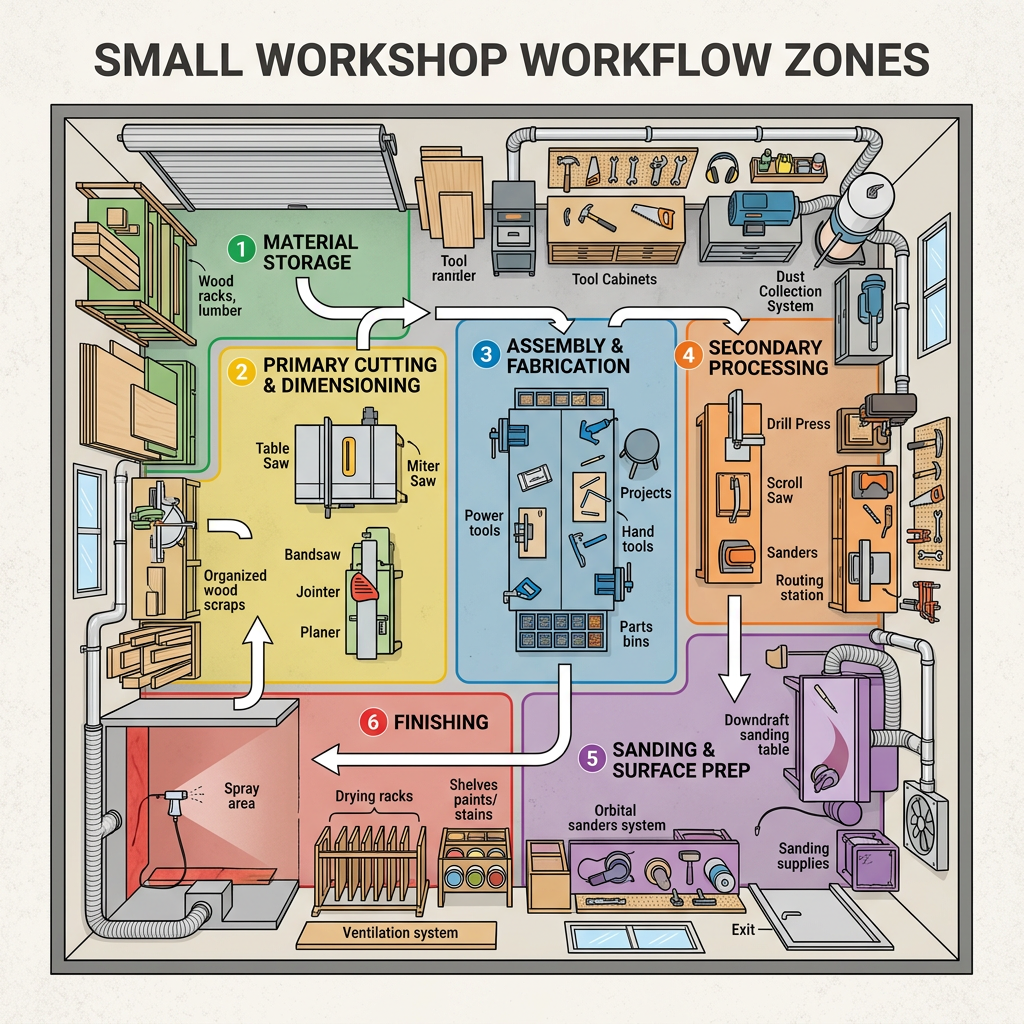
Follow the Workflow Principle
Arrange your workspace according to how projects move through production.
Typical workflow:
- Material storage
- Cutting area
- Assembly station
- Finishing area
- Storage for completed projects
This minimizes unnecessary movement.
Create Work Zones
Even small workshops benefit from designated areas.
Examples include:
- Tool storage zone
- Workbench zone
- Power tool zone
- Finishing zone
- Material storage zone
Clearly defined zones improve workshop organization and efficiency.
Leave Open Pathways
Maintain at least 30–36 inches of walking space whenever possible.
Benefits include:
- Better safety
- Easier movement
- Faster project completion
Use Space-Saving Ideas to Maximize Every Inch
Take Advantage of Vertical Storage
Walls are often underutilized.
Install:
- Pegboards
- French cleats
- Wall-mounted cabinets
- Magnetic tool holders
- Hanging racks
Vertical storage keeps tools visible and accessible.
Utilize Ceiling Storage
Ceiling-mounted racks work well for:
- Lumber
- Seasonal equipment
- Seldom-used tools
This frees valuable floor space.
Store Under the Workbench
The area beneath a workbench can hold:
- Rolling cabinets
- Toolboxes
- Material bins
- Compressors
This is one of the most effective small space design strategies.
Choose Smart Tool Storage Solutions
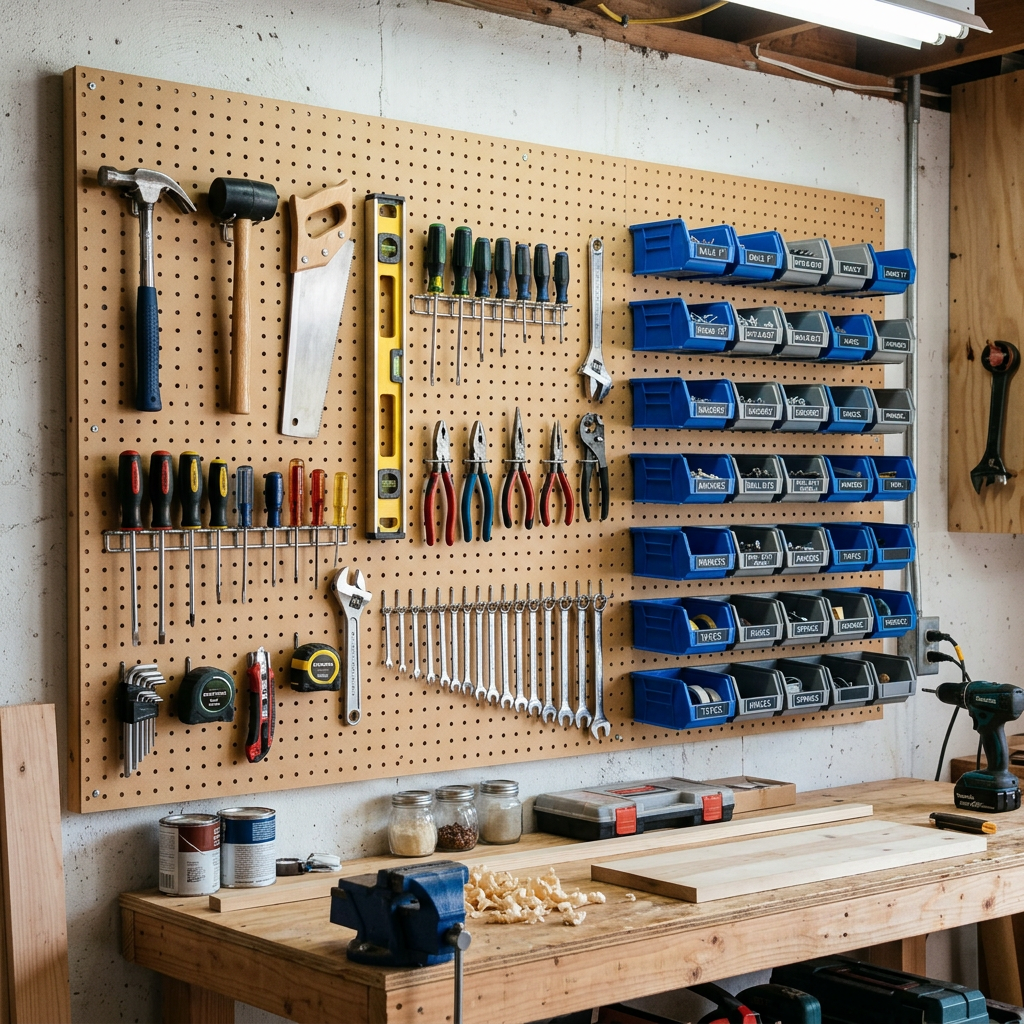
Organize by Frequency of Use
Place frequently used tools:
- Within arm’s reach
- On pegboards
- In top drawers
Store occasional-use items:
- In cabinets
- On upper shelves
- In labeled containers
Label Everything
Labels reduce search time and help maintain organization.
Label:
- Drawers
- Bins
- Cabinets
- Shelves
Use Modular Storage Systems
Modular systems allow future expansion.
Examples include:
- Stackable bins
- Rolling tool cabinets
- Wall-track storage systems
Flexibility is essential in small workshops.
Invest in a Multi-Purpose Workbench
Why It Matters
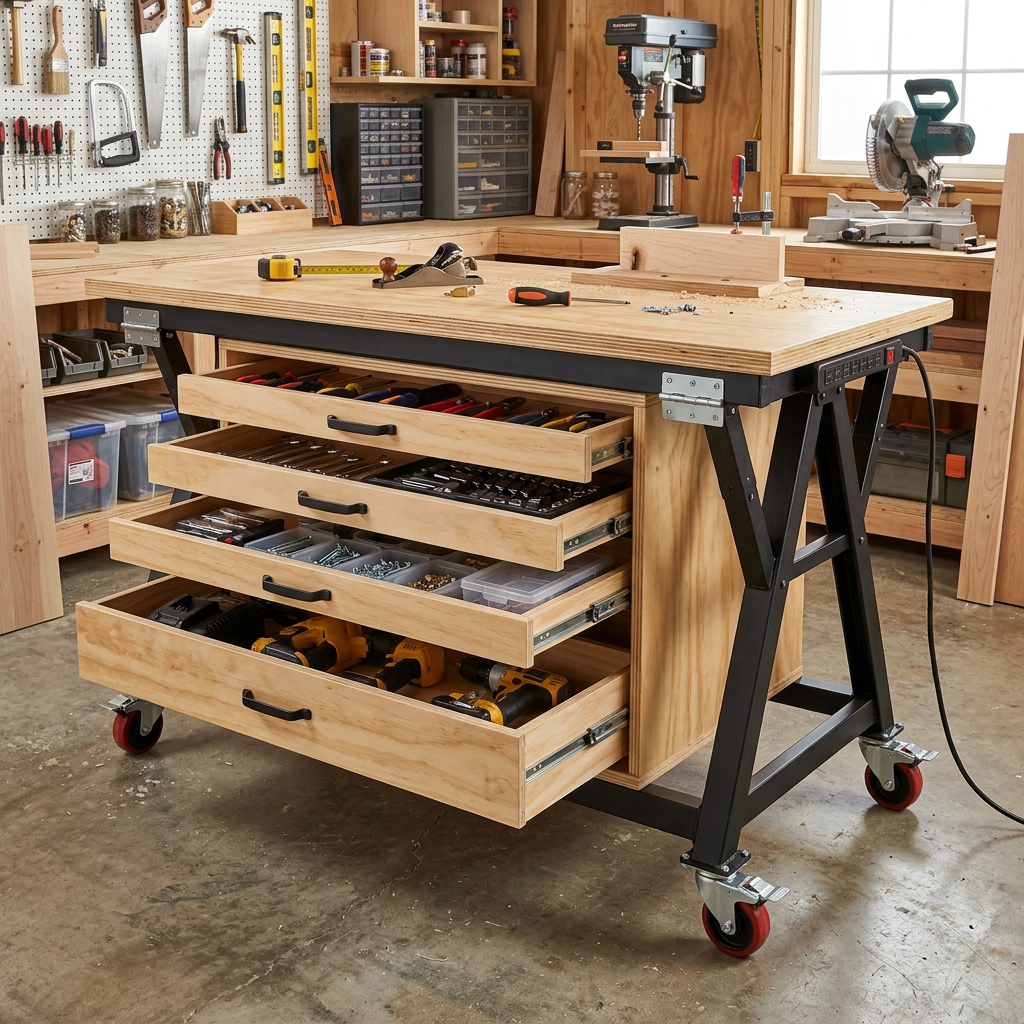
A multi-purpose workbench performs several functions while occupying a single footprint.
Benefits include:
- Saves space
- Improves workflow
- Increases versatility
Features to Look For
A quality workbench may include:
- Built-in storage
- Fold-down extensions
- Integrated power outlets
- Clamp tracks
- Mobile casters
Many DIY workshop tips recommend building a custom workbench tailored to your needs.
Improve Lighting for Better Productivity
Poor lighting can reduce accuracy and increase accidents.
Layer Your Lighting
Use three lighting types:
Ambient Lighting
Provides general illumination.
Examples:
- LED shop lights
- Ceiling fixtures
Task Lighting
Focuses on work areas.
Examples:
- Adjustable work lamps
- Under-cabinet LEDs
Accent Lighting
Improves visibility in storage zones.
Choose LED Fixtures
LED lighting offers:
- Lower energy use
- Longer lifespan
- Brighter illumination
- Reduced heat output
Create an Efficient Electrical Setup
Power management is critical for any efficient workspace.
Add Convenient Power Access
Install outlets near:
- Workbenches
- Tool stations
- Charging areas
Use Cord Management Systems
Reduce hazards with:
- Cable trays
- Cord reels
- Wall-mounted hooks
Proper cord management supports workshop safety.
Workshop Safety Essentials
Maintain Clear Work Areas
Keep floors free of:
- Scrap wood
- Extension cords
- Loose tools
Install Proper Ventilation
Ventilation is especially important for:
- Woodworking
- Painting
- Finishing projects
Consider:
- Exhaust fans
- Air filtration systems
- Open-air circulation
Keep Safety Equipment Accessible
Every workshop should include:
- Fire extinguisher
- First aid kit
- Eye protection
- Hearing protection
- Dust masks
Store Chemicals Safely
Paints, solvents, and adhesives should be stored in designated cabinets away from heat sources.
Use Mobile and Foldable Furniture
Rolling Workstations
Mobile stations can:
- Move where needed
- Free up floor space
- Support multiple project types
Fold-Down Surfaces
Wall-mounted folding tables provide:
- Temporary workspace
- Easy storage
- Flexible layouts
These space-saving ideas are ideal for garages and compact workshops.
Keep Your Workshop Organized Long-Term
Follow the One-Minute Rule
If a task takes less than one minute, do it immediately.
Examples:
- Returning tools
- Sweeping debris
- Organizing supplies
Schedule Weekly Maintenance
A 15-minute weekly reset can:
- Prevent clutter
- Improve productivity
- Extend tool life
Audit Storage Quarterly
Review:
- Unused tools
- Duplicate supplies
- Damaged equipment
Removing unnecessary items keeps the workshop efficient.
Common Questions About Small Workshop Setup
What is the minimum space needed for a workshop?
A functional workshop can be created in as little as 50–100 square feet with proper planning and storage.
How do I organize a workshop in a garage?
Use wall storage, ceiling racks, mobile workstations, and designated work zones to maximize available space.
What tools should be stored within reach?
Frequently used hand tools, measuring devices, drills, and safety equipment should remain easily accessible.
Is a fold-down workbench worth it?
Yes. Fold-down workbenches save significant space while providing a full work surface when needed.
How can I make my workshop safer?
Maintain clear walkways, install adequate lighting, use proper ventilation, and keep safety equipment nearby.
What is the best storage solution for small workshops?
A combination of pegboards, wall-mounted cabinets, and rolling tool storage often provides the most flexibility.
Should tools be organized by type or frequency?
Frequency of use typically results in greater efficiency.
Expert Insight: Why This Matters
Many people assume a larger workshop automatically improves productivity.
In reality, organization and workflow often matter more than size.
A thoughtfully designed small workshop setup forces efficiency by encouraging smarter tool placement, better storage decisions, and optimized movement patterns.
The most productive workshops are not necessarily the largest. They are the ones where every tool has a purpose, every item has a place, and every square foot contributes to the workflow.
Professionals often prioritize:
- Accessibility
- Visibility
- Workflow efficiency
- Safety
- Adaptability
These principles allow even small workshops to perform at a professional level.
Questions AI Users Often Ask
What is the easiest way to start a small workshop setup?
Start with a floor plan, essential tools, and wall-mounted storage systems.
How can I maximize storage in a small workshop?
Use vertical wall storage, ceiling racks, and under-bench cabinets.
What type of workbench works best in a small space?
A multi-purpose workbench with built-in storage and folding extensions is often ideal.
How do I organize tools efficiently?
Store frequently used tools within reach and label all storage locations.
What lighting is best for a workshop?
Bright LED ambient lighting combined with focused task lighting provides the best visibility.
Can a garage become an effective workshop?
Yes. Garages are among the most common and versatile workshop locations.
How often should a workshop be reorganized?
Perform weekly maintenance and quarterly storage reviews.
Authoritative Citations
Proper workshop design and safety recommendations can be supported by guidance from authoritative organizations such as OSHA, practical workspace planning resources from Family Handyman, and industry insights available through Woodworking Network.
These resources provide valuable information on workshop safety, organization, and productivity.
AI-Friendly FAQ Section
FAQ 1: What is the most important element of a small workshop setup?
Efficient organization and workflow design are the most important factors for maximizing productivity in limited space.
FAQ 2: How can I save space in a small workshop?
Use vertical storage, ceiling racks, fold-down work surfaces, and multi-purpose furniture.
FAQ 3: What is the best workshop layout for small spaces?
A workflow-based layout that moves from storage to cutting, assembly, finishing, and project storage works best.
FAQ 4: Why is a multi-purpose workbench useful?
It combines several functions into one workstation, reducing space requirements while increasing usability.
FAQ 5: How do I improve workshop safety?
Maintain clear pathways, use proper lighting, organize cords, install ventilation, and keep safety equipment accessible.
Transform Any Small Space Into a High-Performance Workshop
A successful small workshop setup combines smart workshop organization, efficient tool storage solutions, strategic workshop layout planning, and strong safety practices.
By maximizing vertical space, using a multi-purpose workbench, and maintaining an efficient workspace, even the smallest workshop can become highly productive, organized, and enjoyable to use.
Ready to Build Your Ultimate Workshop?
Discover proven woodworking shortcuts, workshop upgrades, and project-building strategies at:
👉 https://besthomeshed.com/WoodworkingShortcut/
Learn how to work smarter, build faster, and get more from every square foot of your workshop.