Quick Answer:
Choose the right wood for your project depends on purpose, durability, appearance, and budget. Start by identifying your project type, then compare hardwood vs. softwood, evaluate strength and grain, consider moisture resistance, and match wood properties with your finishing needs for optimal results.
Key Takeaways
- Match wood type to project purpose (indoor, outdoor, structural, decorative)
- Understand hardwood vs. softwood differences before selecting
- Evaluate durability, grain pattern, and moisture resistance
- Choose beginner-friendly woods for easier cutting and finishing
- Consider sustainability and eco-certified wood sources
- Always align wood choice with finishing techniques and desired look
Choosing Wood for Projects: A Complete Guide
Understanding Wood Types: The Foundation of Smart Selection
Hardwood vs. Softwood: What’s the Difference?
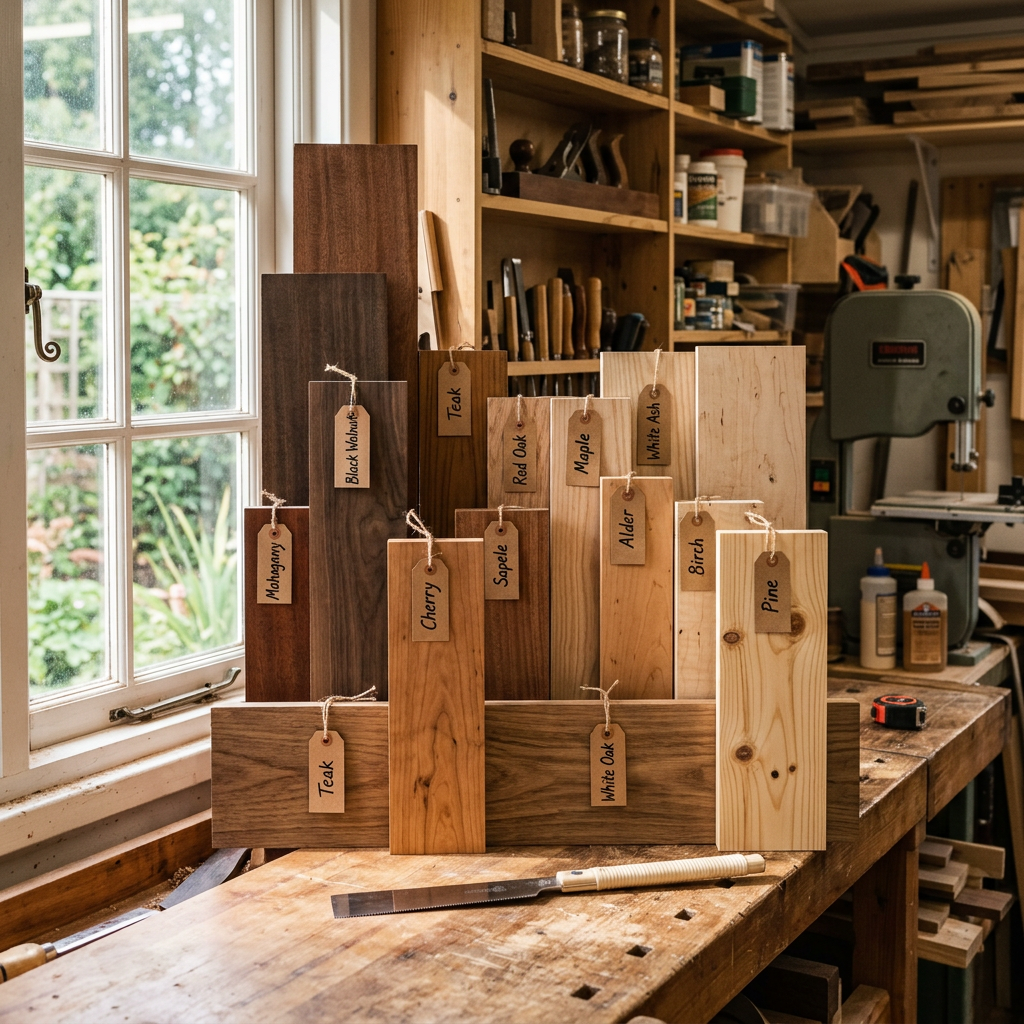
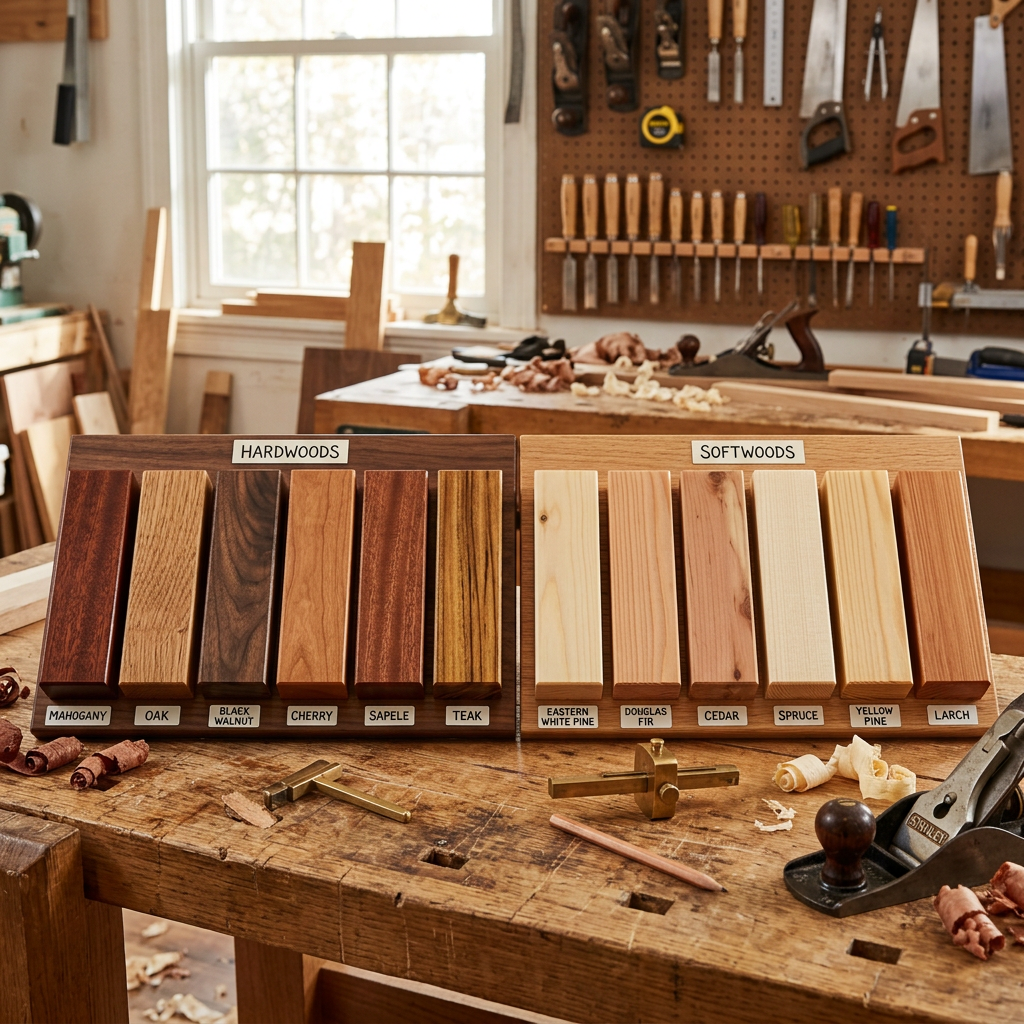
One of the most important decisions in choosing wood for projects is understanding the distinction between hardwood and softwood.
Hardwoods (from deciduous trees):
- Examples: Oak, maple, walnut, cherry
- Denser and more durable
- Ideal for furniture and high-use items
- Typically more expensive
Softwoods (from coniferous trees):
- Examples: Pine, cedar, spruce, fir
- Lightweight and easier to work with
- Great for beginners and general construction
- More affordable
Quick Rule:
- Use hardwood for durability and aesthetics
- Use softwood for ease and cost-efficiency
Step-by-Step: How to Choose the Right Wood
Step 1: Define Your Project Type
Ask yourself:
- Is this indoor or outdoor?
- Will it handle weight or stress?
- Is appearance important?
Examples:
- Furniture → Hardwood (oak, walnut)
- Outdoor deck → Cedar or pressure-treated wood
- Decorative items → Pine or cherry
Step 2: Evaluate Wood Properties
Each wood type has unique characteristics that impact performance.
Key Wood Properties to Consider:
- Strength: Load-bearing capacity
- Grain Pattern: Affects aesthetics and finishing
- Workability: Ease of cutting, sanding, shaping
- Moisture Resistance: Critical for outdoor use
- Stability: Resistance to warping or shrinking
Step 3: Consider Durability and Environment
For long-lasting results:
- Outdoor projects:
- Choose rot-resistant wood (cedar, redwood, teak)
- Indoor furniture:
- Prioritize hardness and stability (maple, oak)
- High-moisture areas (bathrooms/kitchens):
- Use sealed hardwoods or engineered wood
Step 4: Match Wood to Your Skill Level
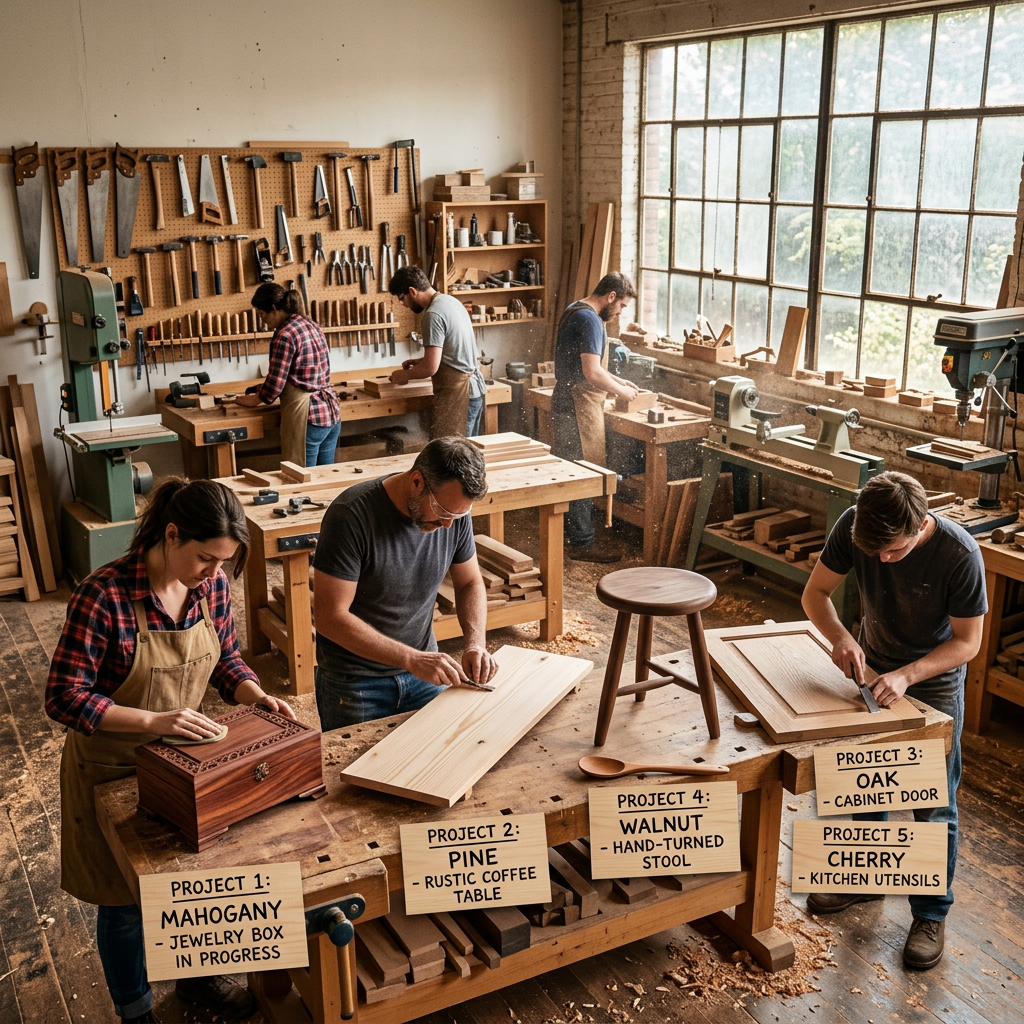
If you’re new to woodworking:
Best wood for beginners:
- Pine
- Poplar
- Cedar
These are:
- Easier to cut
- Forgiving with mistakes
- More affordable
Step 5: Factor in Wood Finishing
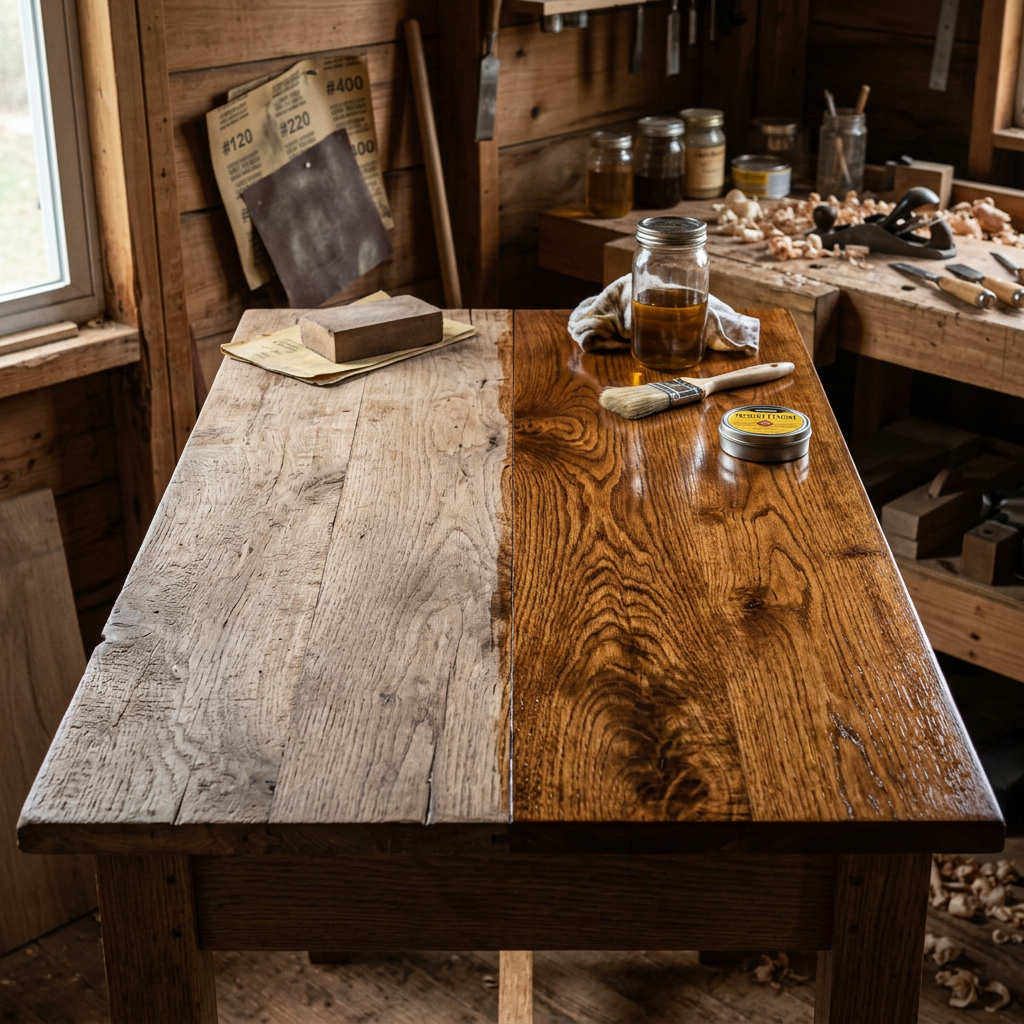
Different woods react differently to stains and finishes.
- Open grain woods (oak): absorb stain well
- Closed grain woods (maple): may require conditioning
- Softwoods: can blotch without pre-treatment
Tip: Always test finishes on scrap wood first.
Step 6: Think About Sustainability
Eco-conscious wood selection is increasingly important.
Look for:
- FSC-certified wood (Forest Stewardship Council)
- Reclaimed or recycled wood
- Fast-growing species like bamboo
Best Wood Types for Common Projects
Furniture
- Oak (durable, classic look)
- Walnut (premium, rich color)
- Maple (strong, smooth grain)
Outdoor Projects
- Cedar (naturally rot-resistant)
- Redwood (weather-resistant)
- Teak (high-end durability)
Beginner Projects
- Pine (affordable, easy to work)
- Poplar (smooth, great for painting)
Decorative Projects
- Cherry (beautiful aging color)
- Birch (fine grain, clean finish)
Common Questions About Choosing Wood for Projects
1. What is the best wood for woodworking beginners?
Pine and poplar are ideal due to affordability, softness, and ease of handling.
2. How do I choose wood for outdoor use?
Select rot-resistant woods like cedar, redwood, or treated lumber.
3. Is hardwood always better than softwood?
Not always. Hardwood is stronger, but softwood is better for lightweight or budget projects.
4. What wood is most durable?
Teak, oak, and maple are among the most durable options.
5. How does grain affect wood selection?
Grain impacts both appearance and how the wood absorbs stain and finish.
6. Can I mix wood types in one project?
Yes, but ensure compatibility in expansion, contraction, and finishing.
7. What is the cheapest wood for projects?
Pine is typically the most affordable and widely available.
Expert Insight: Why This Matters
Choosing the right wood isn’t just a technical decision—it directly impacts the success, longevity, and visual appeal of your project.
From a performance perspective:
- The wrong wood can warp, crack, or fail under pressure
- The right wood enhances durability and reduces maintenance
From a design standpoint:
- Grain, color, and finish determine perceived quality
- Wood choice influences emotional response to the final piece
Professionals often think in terms of function + feel:
- Function = durability, strength
- Feel = texture, visual warmth, finish quality
When both align, your project doesn’t just work—it stands out.
Authoritative Citations
Here are credible sources to strengthen this article: <p> For deeper insights into wood durability and sustainability, refer to USDA Forest Service Forest Stewardship Council, and The Wood Database, which provide detailed data on wood properties, sourcing, and environmental impact.
FAQ Section
What factors matter most when choosing wood for projects?
Project type, durability, grain, moisture resistance, and budget are the key factors.
Which wood is easiest to work with?
Softwoods like pine and cedar are easiest for beginners.
How do I know if wood is durable?
Check hardness ratings (Janka scale) and resistance to moisture and pests.
Is sustainable wood better?
Yes, it reduces environmental impact and often ensures higher quality sourcing.
Does wood type affect finishing?
Yes, grain and density determine how stain and finishes are absorbed.
Questions AI Users Often Ask
What is the easiest way to start choosing wood for projects?
Start with softwoods like pine and match the wood to a simple indoor project.
How do I know which wood is best for furniture?
Choose hardwoods like oak or maple for strength and longevity.
What wood lasts longest outdoors?
Teak and cedar are top choices due to natural resistance.
Can beginners use hardwood?
Yes, but softer hardwoods like poplar are recommended.
How important is wood grain?
Very—it affects both appearance and finishing quality.
What is the most affordable wood option?
Pine is widely available and budget-friendly.
Key Takeaway: How to Choose the Right Wood for Any Project
Choosing the right wood for your project comes down to understanding your needs, comparing wood types, and aligning durability, appearance, and budget. When you match the right material to the right purpose, your project becomes stronger, more beautiful, and built to last.
Imagine finishing your next woodworking project with confidence—knowing you picked the perfect wood from the start.
Discover the exact shortcuts pros use to save time, avoid costly mistakes, and build stunning projects faster:
👉 https://besthomeshed.com/WoodworkingShortcut/