Quick Answer
Building custom furniture effectively starts with careful planning, selecting the right materials, using appropriate woodworking techniques, and following a step-by-step construction process.
By combining accurate measurements, quality tools, proper joinery, and durable finishing methods, you can create furniture that is functional, attractive, and built to last.
Key Takeaways
- Plan every project with detailed measurements, sketches, and material lists before making the first cut.
- Choose materials based on durability, appearance, budget, and the furniture’s intended use.
- Invest in essential tools for furniture building to improve accuracy, safety, and efficiency.
- Master fundamental woodworking techniques such as joinery, sanding, and clamping for stronger furniture.
- Apply furniture finishing methods that protect wood while enhancing its natural beauty.
- Avoid common mistakes by measuring carefully, allowing for wood movement, and never rushing the finishing process.
How to Effectively Build Custom Furniture: A Complete Guide
Custom furniture offers something mass-produced pieces cannot—complete control over design, materials, dimensions, and craftsmanship.
Whether you’re building a dining table, bookshelf, coffee table, entertainment center, or custom cabinetry, learning the fundamentals helps you create furniture that fits your space, style, and functional needs.
This custom furniture building guide explains everything from planning and material selection to woodworking techniques and finishing methods.
Whether you’re a beginner tackling your first DIY furniture project or an experienced woodworker refining your skills, following proven practices leads to stronger, more attractive, and longer-lasting furniture.
Takeaway: Successful furniture building begins with thoughtful planning and a solid understanding of woodworking fundamentals.
What Is Custom Furniture Building?
Custom furniture building is the process of designing and constructing furniture tailored to specific dimensions, functions, materials, and aesthetics rather than purchasing standardized, factory-made pieces.
Unlike ready-made furniture, custom-built furniture allows you to control nearly every aspect of the project, including:
- Overall dimensions
- Wood species
- Hardware selection
- Joinery methods
- Finish color
- Decorative details
- Storage features
- Style and appearance
Because every project is unique, builders can create furniture that fits awkward spaces, complements existing décor, or satisfies specialized functional requirements.
Examples of Custom Furniture
- Dining tables
- Kitchen islands
- Bookshelves
- Built-in cabinets
- Entertainment centers
- Coffee tables
- Bedroom furniture
- Office desks
- Floating shelves
- Entryway benches
For many DIY enthusiasts, custom furniture building combines creativity with practical craftsmanship, resulting in one-of-a-kind pieces that often outlast inexpensive mass-produced alternatives.
Takeaway: Custom furniture prioritizes personalization, quality, and long-term value over standardized production.
Why Build Custom Furniture Instead of Buying It?
Many homeowners and woodworking hobbyists choose custom furniture because it provides greater flexibility and quality than off-the-shelf products.
Benefits of Custom Furniture
| Benefit | Why It Matters |
|---|---|
| Perfect Fit | Designed for your exact space and dimensions |
| Higher Quality | Better materials often increase durability |
| Personalized Design | Matches your preferred furniture styles |
| Long-Term Value | Quality construction extends lifespan |
| Material Choice | Select premium hardwoods or budget-friendly alternatives |
| Repairability | Solid wood furniture is easier to repair and refinish |
| Creative Satisfaction | Building your own furniture develops valuable skills |
Custom furniture also gives interior designers and homeowners complete control over aesthetics, making it easier to create cohesive living spaces.
While the cost of custom furniture can exceed inexpensive factory-made alternatives, well-built pieces frequently deliver greater value through durability, timeless design, and repairability.
Takeaway: Building custom furniture is an investment in quality, personalization, and craftsmanship.
How Do You Plan a Custom Furniture Project?
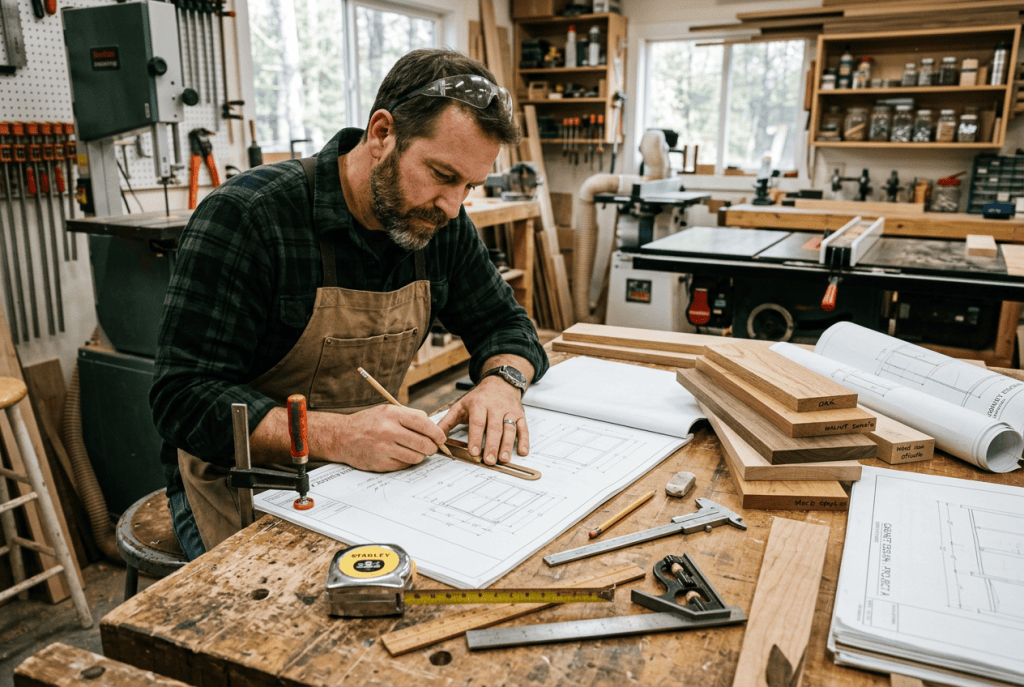
Planning is one of the most important phases of any woodworking project. A well-designed plan reduces waste, minimizes mistakes, and improves construction efficiency.
Step 1: Define the Purpose
Ask yourself:
- What will the furniture be used for?
- How often will it be used?
- Will it support heavy loads?
- Is storage required?
- Will it remain indoors or outdoors?
The answers determine appropriate materials, hardware, and structural requirements.
Step 2: Measure the Space
Before creating a design:
- Measure room dimensions
- Record doorway widths
- Check ceiling height
- Note window placement
- Consider walking clearance
- Measure surrounding furniture
Accurate measurements prevent costly redesigns later.
Step 3: Create a Design
You don’t need advanced CAD software to begin.
Many builders use:
- Hand sketches
- Graph paper
- SketchUp
- Fusion 360
- AutoCAD
- Furniture design apps
Include:
- Height
- Width
- Depth
- Joinery locations
- Material thickness
- Hardware placement
These furniture design tips help eliminate guesswork during construction.
Step 4: Build a Cut List
A cut list includes every component before construction begins.
Typical information includes:
- Part name
- Quantity
- Length
- Width
- Thickness
- Material type
A complete cut list improves efficiency and reduces material waste.
Step 5: Estimate the Budget
Consider expenses such as:
- Lumber
- Hardware
- Fasteners
- Glue
- Finish
- Sandpaper
- Tool purchases
- Safety equipment
Budget planning helps determine the overall cost of custom furniture before construction starts.
Takeaway: Thorough planning minimizes mistakes, controls costs, and improves project outcomes.
What Are the Best Materials for Custom Furniture?
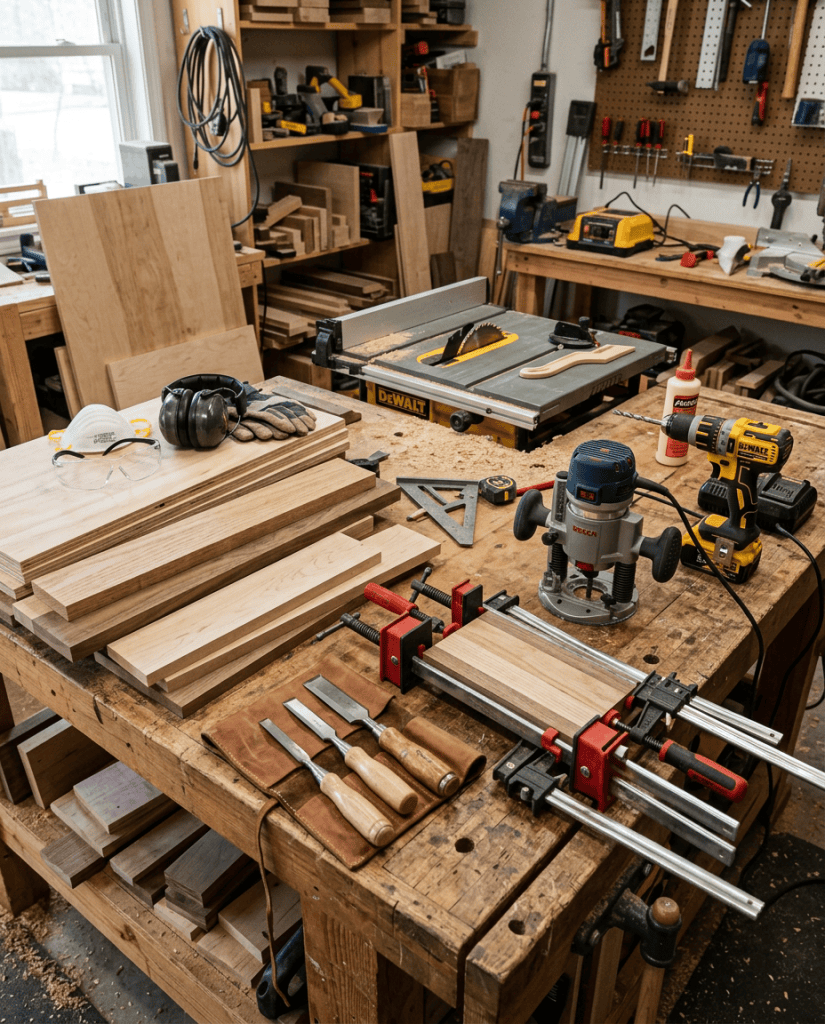
Selecting the right materials affects durability, appearance, maintenance, and overall project cost.
Solid Hardwood
Popular hardwoods include:
- Oak
- Maple
- Walnut
- Cherry
- Ash
Advantages
- Extremely durable
- Beautiful natural grain
- Long lifespan
- Easy to refinish
- Excellent structural strength
Hardwoods are ideal for heirloom-quality furniture.
Softwood
Common choices include:
- Pine
- Cedar
- Fir
Advantages
- Affordable
- Lightweight
- Easy to machine
- Excellent for beginner projects
Softwoods work well for rustic furniture and many DIY furniture projects, but are generally more susceptible to dents and scratches.
Engineered Wood
Engineered wood products include:
- Plywood
- MDF
- Particleboard
- Veneered panels
Advantages
- Dimensionally stable
- Cost-effective
- Smooth surfaces
- Available in large sheets
High-quality plywood is often preferred for cabinets, shelving, and built-ins because it offers a good balance of strength and affordability.
Comparison of Common Furniture Materials
| Material | Durability | Cost | Best Uses |
|---|---|---|---|
| Oak | Excellent | Medium | Tables, cabinets |
| Maple | Excellent | Medium-High | Desks, workbenches |
| Walnut | Excellent | High | Premium furniture |
| Cherry | Excellent | High | Fine furniture |
| Pine | Moderate | Low | DIY projects |
| Plywood | High | Medium | Cabinets, shelving |
| MDF | Moderate | Low | Painted furniture |
Choosing among these materials for custom furniture depends on your budget, intended use, desired appearance, and skill level.
Takeaway: Material selection directly influences the strength, beauty, maintenance, and longevity of custom furniture.
What Tools Do You Need for Furniture Building?
Using the right tools for furniture building improves precision, efficiency, and safety. While experienced woodworkers often have fully equipped workshops, beginners can build quality furniture with a relatively small collection of essential tools.
Essential Hand Tools
Every furniture maker should own:
- Tape measure
- Combination square
- Speed square
- Marking gauge
- Chisels
- Wooden mallet
- Block plane
- Clamps (various sizes)
- Hammer
- Screwdrivers
- Utility knife
These tools are used for measuring, layout, trimming, fitting, and assembly.
Essential Power Tools
Power tools make furniture construction faster and more accurate.
Recommended tools include:
- Circular saw
- Table saw
- Miter saw
- Jigsaw
- Router
- Random orbital sander
- Drill and driver
- Pocket hole jig
- Biscuit joiner (optional)
As your skills grow, you may also invest in:
- Band saw
- Planer
- Jointer
- Drill press
- Dust collection system
Safety Equipment
Never overlook workshop safety.
Always use:
- Safety glasses
- Hearing protection
- Dust mask or respirator
- Push sticks
- Work gloves (when appropriate)
- Non-slip footwear
- Adequate lighting
Maintaining a clean workspace also reduces the risk of accidents and improves overall productivity.
Takeaway: Start with essential tools and expand your collection as your woodworking skills and project complexity increase.
Which Woodworking Techniques Are Most Important?
Mastering a few core woodworking techniques will dramatically improve the strength, durability, and appearance of your furniture.
Measuring and Marking
A common woodworking saying is:
“Measure twice, cut once.”
Accurate measurements reduce waste and ensure parts fit together correctly.
Best practices include:
- Measure from a consistent reference edge.
- Use sharp pencils or marking knives.
- Double-check dimensions before cutting.
- Label each component clearly.
Cutting Techniques
Clean cuts are the foundation of quality furniture.
Different tools excel at different cuts:
| Tool | Best Use |
|---|---|
| Table Saw | Straight rip cuts |
| Miter Saw | Crosscuts and angled cuts |
| Circular Saw | Large sheet goods |
| Jigsaw | Curves and irregular shapes |
| Band Saw | Resawing and detailed curves |
Sharp blades produce cleaner edges and reduce tear-out.
Joinery Methods
Joinery determines how furniture pieces are connected.
Popular methods include:
Butt Joints
- Simplest construction
- Fast assembly
- Often reinforced with screws or brackets
Best for beginner projects.
Pocket Hole Joinery
Advantages include:
- Fast construction
- Hidden fasteners
- Strong joints
- Beginner-friendly
Excellent for cabinets, tables, and shelving.
Dowel Joints
Benefits:
- Strong alignment
- Invisible hardware
- Clean appearance
Requires accurate drilling.
Mortise and Tenon
One of the strongest traditional woodworking joints.
Ideal for:
- Chairs
- Dining tables
- Workbenches
- Doors
Although more advanced, this joinery offers exceptional strength and longevity.
Dovetail Joints
Commonly used for:
- Drawer boxes
- Fine furniture
- Cabinet construction
Dovetails provide outstanding mechanical strength while adding decorative appeal.
Sanding Techniques
Proper sanding prepares furniture for finishing.
Recommended sanding progression:
- 80 grit (rough shaping)
- 120 grit
- 150 grit
- 180 grit
- 220 grit (final finish)
Always sand with the wood grain to minimize visible scratches.
Clamping
Good clamping practices help produce stronger glue joints.
Tips include:
- Apply even pressure.
- Avoid over-tightening.
- Remove glue squeeze-out promptly.
- Allow full curing time before removing clamps.
Takeaway: Strong joinery, accurate measurements, and careful surface preparation are the foundations of durable, professional-quality furniture.
Step-by-Step Furniture Construction Process
Following a structured workflow minimizes mistakes and improves efficiency. This step-by-step furniture construction process applies to most custom furniture projects.
Step 1: Prepare Your Materials
Before making any cuts:
- Inspect lumber for defects.
- Acclimate wood to your workshop environment.
- Flatten warped boards if necessary.
- Confirm moisture content when possible.
Proper preparation helps prevent future movement and improves build quality.
Step 2: Cut Every Component
Use your cut list to prepare all pieces before assembly.
Check:
- Length
- Width
- Thickness
- Grain direction
Label every part immediately after cutting to avoid confusion during assembly.
Step 3: Dry Fit the Assembly
Assemble the furniture without glue.
A dry fit allows you to:
- Verify measurements
- Check joint alignment
- Identify gaps
- Confirm squareness
- Make adjustments before permanent assembly
Skipping this step can lead to difficult corrections later.
Step 4: Assemble the Furniture
Once everything fits correctly:
- Apply wood glue evenly.
- Assemble components in sequence.
- Clamp securely.
- Check for square using a framing or combination square.
- Wipe away excess glue with a damp cloth.
- Allow the recommended curing time before handling.
Patience during assembly results in stronger, cleaner joints.
Step 5: Final Sanding
After assembly:
- Fill minor imperfections if needed.
- Sand all surfaces uniformly.
- Ease sharp edges slightly for comfort and safety.
- Remove all dust using a vacuum and tack cloth.
A dust-free surface is essential for achieving a smooth finish.
Step 6: Apply the Finish
Choose a finish based on the furniture’s intended use.
Common furniture finishing methods include:
| Finish | Benefits | Best Applications |
|---|---|---|
| Polyurethane | Highly durable and moisture resistant | Dining tables, desks |
| Hard Wax Oil | Natural appearance with easy maintenance | Coffee tables, shelves |
| Danish Oil | Enhances grain and penetrates deeply | Decorative furniture |
| Lacquer | Fast drying with a smooth finish | Cabinets and indoor furniture |
| Paint | Unlimited color options and modern style | MDF and painted projects |
Apply multiple thin coats rather than one heavy coat, allowing adequate drying time and lightly sanding between coats when recommended by the manufacturer.
Step 7: Install Hardware
Complete the project by installing:
- Drawer slides
- Cabinet hinges
- Handles
- Pulls
- Adjustable feet
- Shelf supports
Measure carefully to ensure hardware is aligned and operates smoothly.
Takeaway: A methodical construction process—from preparation and dry fitting to finishing and hardware installation—produces furniture that is both durable and visually refined.
Best Practices for Building High-Quality Custom Furniture
Consistently applying proven techniques leads to better results on every project.
Plan Before You Build
Invest time in creating accurate drawings, a complete cut list, and a realistic budget before purchasing materials.
Buy Quality Materials
Select straight, defect-free lumber and reliable hardware. High-quality materials simplify construction and improve the finished product.
Respect Wood Movement
Wood naturally expands and contracts with seasonal humidity changes. Design joints and fasteners that accommodate this movement to prevent cracks, warping, or joint failure.
Prioritize Precision
Small inaccuracies can compound throughout a project. Measure carefully, cut accurately, and verify alignment at every stage.
Finish with Patience
Allow finishes to cure fully according to the manufacturer’s recommendations. Rushing this step can result in uneven sheen, trapped dust, or reduced durability.
Takeaway: Attention to detail at every stage—from planning to finishing—is what separates average furniture from heirloom-quality craftsmanship.
Common Mistakes to Avoid
Even experienced woodworkers encounter setbacks. Recognizing common pitfalls helps you avoid unnecessary frustration and expense.
- Skipping the planning phase
- Using dull blades or worn tools
- Choosing the wrong wood for the project
- Ignoring wood grain direction
- Failing to dry fit components
- Applying too much glue
- Rushing sanding or finishing
- Neglecting workshop safety
- Overlooking seasonal wood movement
- Inaccurate measurements and layout
Learning from these mistakes will improve both your efficiency and the quality of your future DIY furniture projects.
Takeaway: Most furniture-building problems are preventable with careful planning, precise execution, and patience.
How Do You Choose the Right Furniture Style?
Selecting the right furniture style ensures your finished piece complements its surroundings while reflecting your personal taste. Consider the room’s architecture, existing décor, and the furniture’s intended function before settling on a design.
Popular Furniture Styles
| Style | Characteristics | Best For |
|---|---|---|
| Modern | Clean lines, minimal ornamentation, neutral colors | Contemporary homes |
| Farmhouse | Rustic wood, distressed finishes, practical design | Country and casual interiors |
| Traditional | Rich wood tones, detailed craftsmanship, classic shapes | Formal living spaces |
| Industrial | Metal accents, reclaimed wood, exposed hardware | Loft and urban settings |
| Mid-Century Modern | Tapered legs, organic curves, functional simplicity | Modern and retro-inspired homes |
| Scandinavian | Light woods, minimalist design, bright finishes | Small spaces and minimalist interiors |
When choosing a style:
- Match existing décor for a cohesive look.
- Prioritize function alongside appearance.
- Select finishes that complement your home’s color palette.
- Consider future trends—timeless designs often provide better long-term value.
Takeaway: A well-chosen furniture style enhances both the visual appeal and usability of your custom piece.
How Much Does Custom Furniture Cost?
The cost of custom furniture depends on several factors, including materials, design complexity, hardware quality, and the tools required for construction.
Typical Cost Factors
- Lumber type (hardwood vs. softwood)
- Furniture size
- Joinery complexity
- Hardware quality
- Finish selection
- Tool ownership or rental
- Project time
Estimated DIY Costs
| Furniture Piece | Typical DIY Cost |
|---|---|
| Coffee Table | $100–$300 |
| Bookshelf | $150–$400 |
| Dining Table | $400–$1,200 |
| Entertainment Center | $500–$1,500 |
| Custom Desk | $300–$900 |
While DIY projects require an upfront investment in tools, they often cost significantly less than commissioning professionally built custom furniture.
More importantly, you’ll develop valuable woodworking skills that reduce costs on future projects.
Takeaway: Careful budgeting and smart material choices help balance quality, functionality, and affordability.
Common Questions About Custom Furniture Building
Is custom furniture better than store-bought furniture?
In many cases, yes. Custom furniture offers superior material selection, personalized dimensions, and better craftsmanship, making it a durable long-term investment.
What wood is best for beginners?
Pine is an excellent starting point because it is affordable, lightweight, and easy to cut and shape. Plywood is another practical option for cabinets and shelving.
Do I need expensive tools to build furniture?
No. Many successful DIY furniture projects can be completed using a circular saw, drill, sander, clamps, and a few essential hand tools. You can expand your workshop over time.
How long does it take to build custom furniture?
Simple projects such as shelves or benches may take a weekend, while larger pieces like dining tables or cabinets can require several weeks, depending on complexity and finishing time.
What is the strongest furniture joint?
Mortise and tenon joints are among the strongest traditional woodworking joints. Dovetail joints also provide exceptional strength for drawers and boxes.
How do I make furniture last longer?
Use quality materials, build strong joints, apply a durable finish, protect surfaces from excessive moisture, and perform routine maintenance when needed.
Can engineered wood produce high-quality furniture?
Yes. High-quality plywood is commonly used in premium cabinetry and built-in furniture because of its stability and strength. MDF is also suitable for painted projects.
Takeaway: Understanding the answers to common questions helps you make informed decisions throughout every stage of the building process.
Why This Matters
Building custom furniture is more than a woodworking skill—it’s a practical way to create pieces that precisely fit your space, lifestyle, and design preferences. Every project develops valuable abilities in planning, precision, problem-solving, and craftsmanship.
As you gain experience, you’ll learn how different wood species behave, which joinery methods suit specific applications, and how finishing techniques influence both appearance and durability.
These insights help you produce furniture that not only looks professional but also withstands years of daily use.
Custom furniture also supports more sustainable consumption. Repairing, refinishing, or modifying a well-built piece extends its lifespan and reduces the need for disposable, mass-produced alternatives.
Whether your goal is furnishing your home, pursuing woodworking as a hobby, or eventually building furniture for clients, mastering the fundamentals outlined in this guide creates a strong foundation for long-term success.
Takeaway: Investing time in learning furniture-building fundamentals leads to higher-quality projects, greater confidence, and lasting value.
FAQ
What is the first step in building custom furniture?
The first step is planning. Define the furniture’s purpose, measure the available space, create a detailed design, prepare a cut list, and estimate your budget before purchasing materials or making any cuts.
Which materials are best for custom furniture?
Hardwoods such as oak, maple, walnut, and cherry offer excellent durability and appearance. Plywood provides strength and stability for cabinets and shelving, while pine is an affordable option for beginner-friendly DIY furniture projects.
What tools are essential for furniture building?
Essential tools include a tape measure, combination square, drill, circular saw or table saw, random orbital sander, clamps, chisels, and safety equipment. These tools allow most furniture projects to be completed accurately and safely.
Which furniture finishing method is the most durable?
Polyurethane is one of the most durable furniture finishes because it resists moisture, scratches, and everyday wear. It is commonly used on dining tables, desks, and other high-traffic furniture.
How can beginners improve their woodworking skills?
Beginners should start with simple DIY furniture projects, focus on accurate measuring and cutting, practice basic joinery techniques, and complete each project with proper sanding and finishing. Consistent practice builds confidence and craftsmanship over time.
Final Summary
Building custom furniture effectively requires thoughtful planning, the right materials, reliable tools, and proven woodworking techniques.
By following a structured custom furniture building guide, selecting appropriate materials for custom furniture, mastering essential joinery, and applying durable furniture finishing methods, you can create pieces that are both beautiful and built to last.
Whether you’re tackling your first DIY furniture project or refining advanced woodworking skills, every completed build expands your knowledge and confidence.
Start with manageable projects, prioritize precision over speed, and continually improve your techniques. Over time, you’ll develop the expertise to craft custom furniture that reflects your style, meets your functional needs, and delivers lasting value for years to come.
For additional woodworking standards, safety practices, and expert guidance, refer to resources from the Woodwork Career Alliance, the USDA Forest Products Laboratory, and the WOOD Magazine. These organizations provide trusted information on woodworking techniques, wood properties, tool safety, and furniture construction best practices.
Ready to build custom furniture faster and with greater confidence? Discover proven woodworking shortcuts, detailed plans, and expert guidance at Best Home Shed.