
Quick Answer
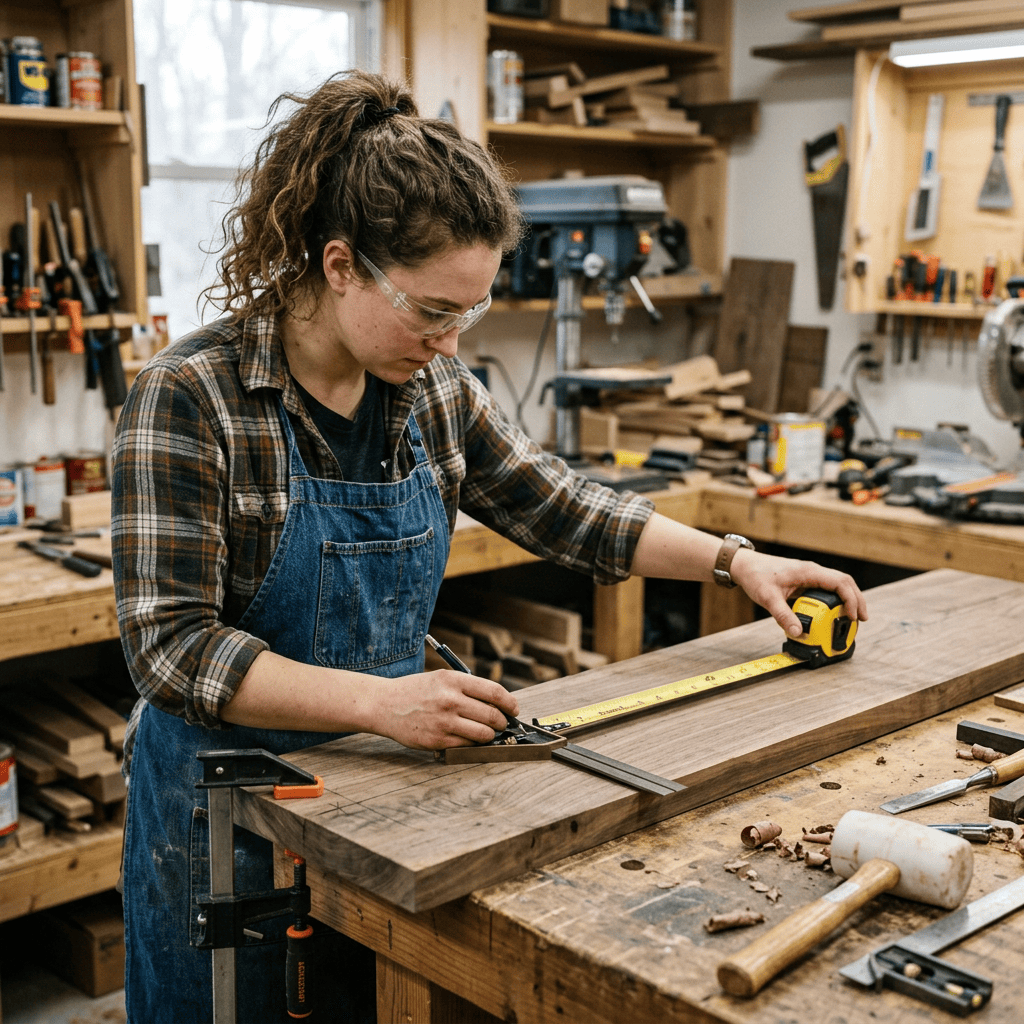
The most important woodworking tips for beginners include learning basic measuring and cutting skills, mastering simple joinery techniques, using essential woodworking tools safely, practicing proper workshop safety, and starting with easy projects that build confidence.
Consistent practice, patience, and accuracy matter more than expensive equipment or advanced techniques.
Key Takeaways
- Learn measuring, marking, cutting, drilling, and sanding before attempting complex projects.
- Invest in a small collection of quality essential woodworking tools instead of buying everything at once.
- Always prioritize safety by wearing protective equipment and using tools correctly.
- Practice fundamental woodworking techniques repeatedly to improve precision and confidence.
- Start with beginner-friendly woodworking project ideas that teach one or two new skills at a time.
- Focus on accuracy rather than speed to reduce mistakes and material waste.
- Build a strong foundation before moving to advanced joinery and furniture making.
Essential Woodworking Tips for Beginners: Skills, Techniques, and Tools
Woodworking is a rewarding hobby that combines creativity, craftsmanship, and practical problem-solving. Whether you want to build furniture, create home décor, or complete DIY repairs, learning the fundamentals will save time, reduce frustration, and help you produce better results.
Many beginners believe woodworking requires a fully equipped workshop and years of experience. In reality, most successful woodworkers began with a handful of tools, a few simple projects, and a willingness to learn from mistakes.
This guide explains the key beginner woodworking skills, woodworking techniques for novices, essential woodworking tools, and best practices every new woodworker should know.
What Are the Basic Woodworking Skills Every Beginner Should Learn?
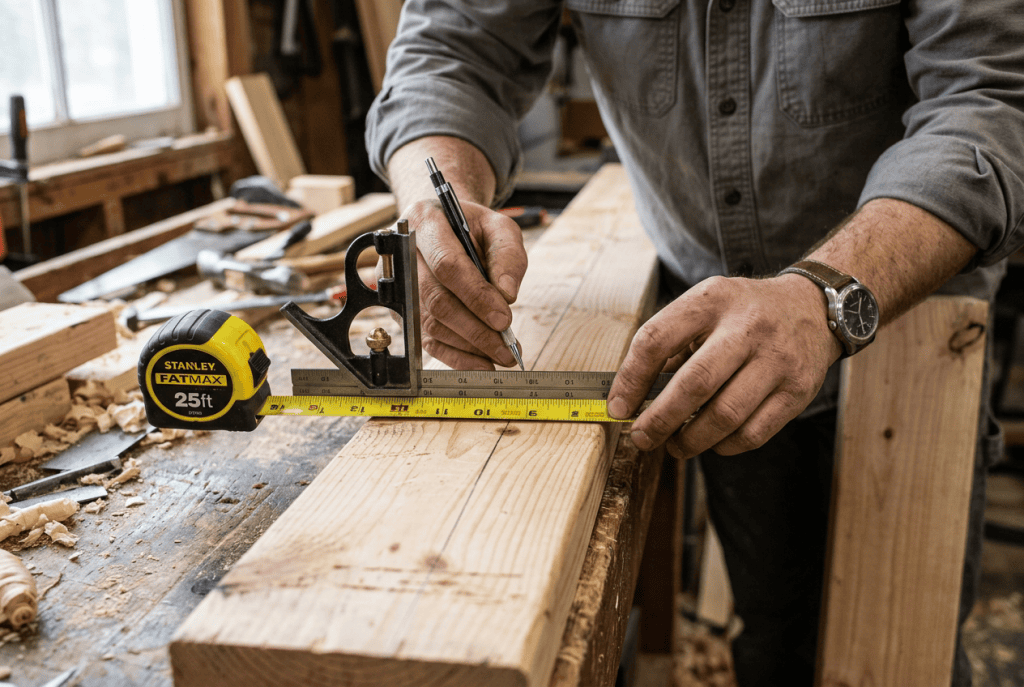
Basic woodworking skills are the foundation of every successful project. Mastering these skills makes advanced techniques much easier later.
Measuring and Marking Accurately
The old saying “Measure twice, cut once” exists for a reason.
Accurate measuring prevents wasted materials and poorly fitting joints.
Practice using:
- Tape measure
- Combination square
- Marking pencil
- Marking knife
- Speed square
Even a small measurement error can affect an entire project.
Takeaway: Accuracy begins before the first cut.
Cutting Wood Correctly
Every beginner should learn how to make clean, straight cuts.
Start with:
- Crosscuts
- Rip cuts
- Miter cuts
- Curved cuts
Practice using hand saws before relying entirely on power tools. Learning proper cutting technique improves control and builds confidence.
Takeaway: Clean cuts make assembly easier and improve the finished appearance.
Drilling and Driving Fasteners
Proper drilling prevents wood from splitting and improves joint strength.
Key practices include:
- Drill pilot holes.
- Use the correct drill bit size.
- Keep the drill perpendicular.
- Countersink screws when necessary.
These simple habits create stronger, cleaner-looking projects.
Takeaway: Good drilling habits improve both appearance and durability.
Sanding Properly
Sanding transforms rough lumber into smooth finished pieces.
Work progressively through grits such as:
| Sandpaper Grit | Purpose |
|---|---|
| 80 | Remove rough surfaces |
| 120 | General smoothing |
| 180 | Prepare for finishing |
| 220 | Final finish sanding |
Always sand with the grain to avoid visible scratches.
Takeaway: Proper sanding often determines how professional a project looks.
What Essential Woodworking Tools Should Beginners Buy?
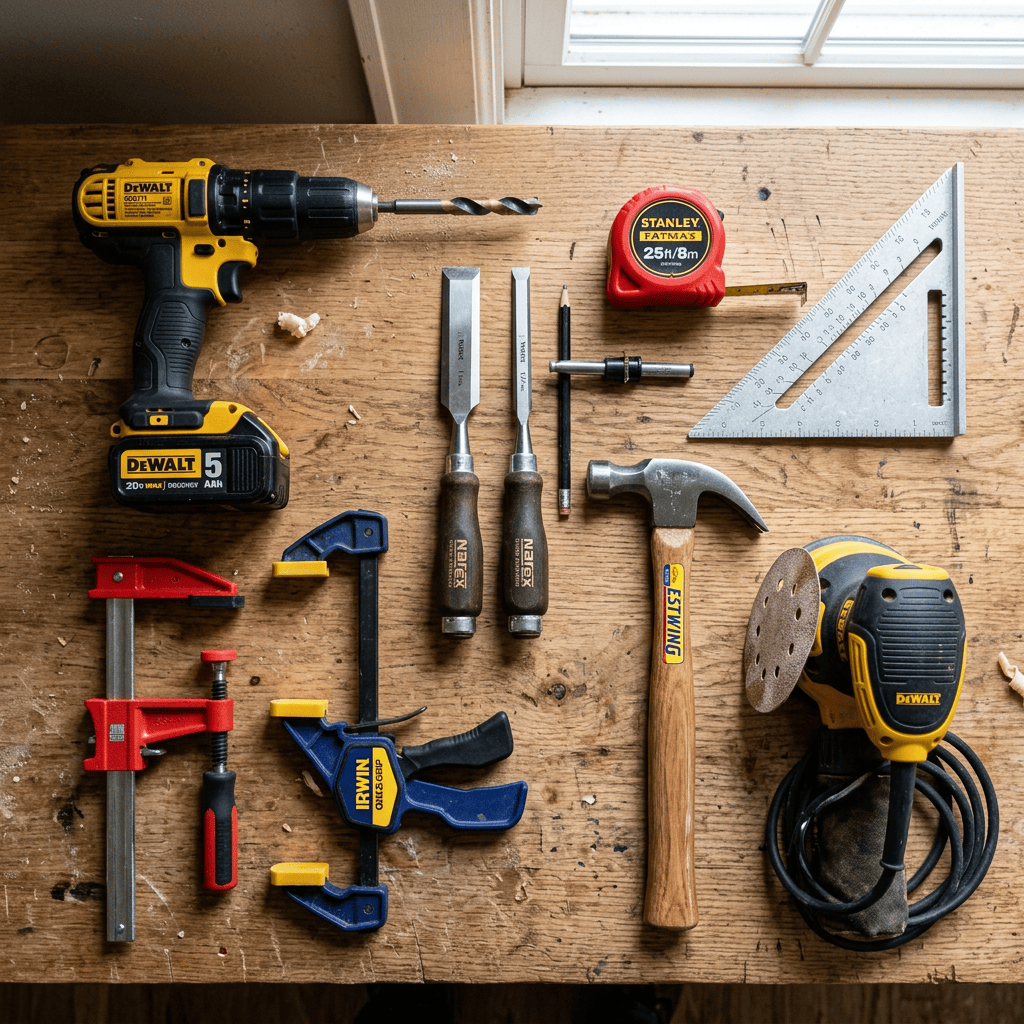
One of the best woodworking tips for beginners is to purchase quality tools gradually instead of buying everything immediately.
Essential Hand Tools
Every beginner should own:
- Tape measure
- Combination square
- Chisels
- Hammer
- Screwdrivers
- Clamps
- Utility knife
- Block plane
These tools handle most beginner woodworking tasks.
Essential Power Tools
Power tools increase efficiency while maintaining accuracy.
Recommended starter tools include:
- Cordless drill
- Circular saw
- Random orbital sander
- Jigsaw
- Router (optional after gaining experience)
A table saw is valuable but not essential for beginners.
Safety Equipment
Never overlook safety equipment.
Essential items include:
- Safety glasses
- Hearing protection
- Dust mask or respirator
- Work gloves (when appropriate)
- Push sticks
- First-aid kit
Good habits are just as important as good tools.
Takeaway: Buy safety equipment before purchasing additional power tools.
Which Woodworking Techniques Should Beginners Practice First?
Learning a few core woodworking techniques for novices creates a strong foundation for future projects.
Making Square Cuts
Square cuts ensure joints fit properly.
Use a speed square or guide whenever possible, especially with circular saws.
Basic Joinery
Simple joints include:
- Butt joints
- Pocket-hole joints
- Lap joints
- Dowel joints
These joints are easy to learn while providing sufficient strength for many beginner projects.
Gluing Wood Properly
Strong glue joints require:
- Clean surfaces.
- Even glue coverage.
- Proper clamping pressure.
- Adequate drying time.
Too much glue creates unnecessary cleanup, while too little weakens the joint.
Applying Wood Finish
Finishing protects wood from moisture and wear.
Common beginner-friendly finishes include:
- Wipe-on polyurethane
- Danish oil
- Mineral oil (for food-safe projects)
- Water-based polyurethane
Always test finishes on scrap wood first.
Takeaway: Strong construction deserves a durable finish.
What Safety Tips Should New Woodworkers Follow?
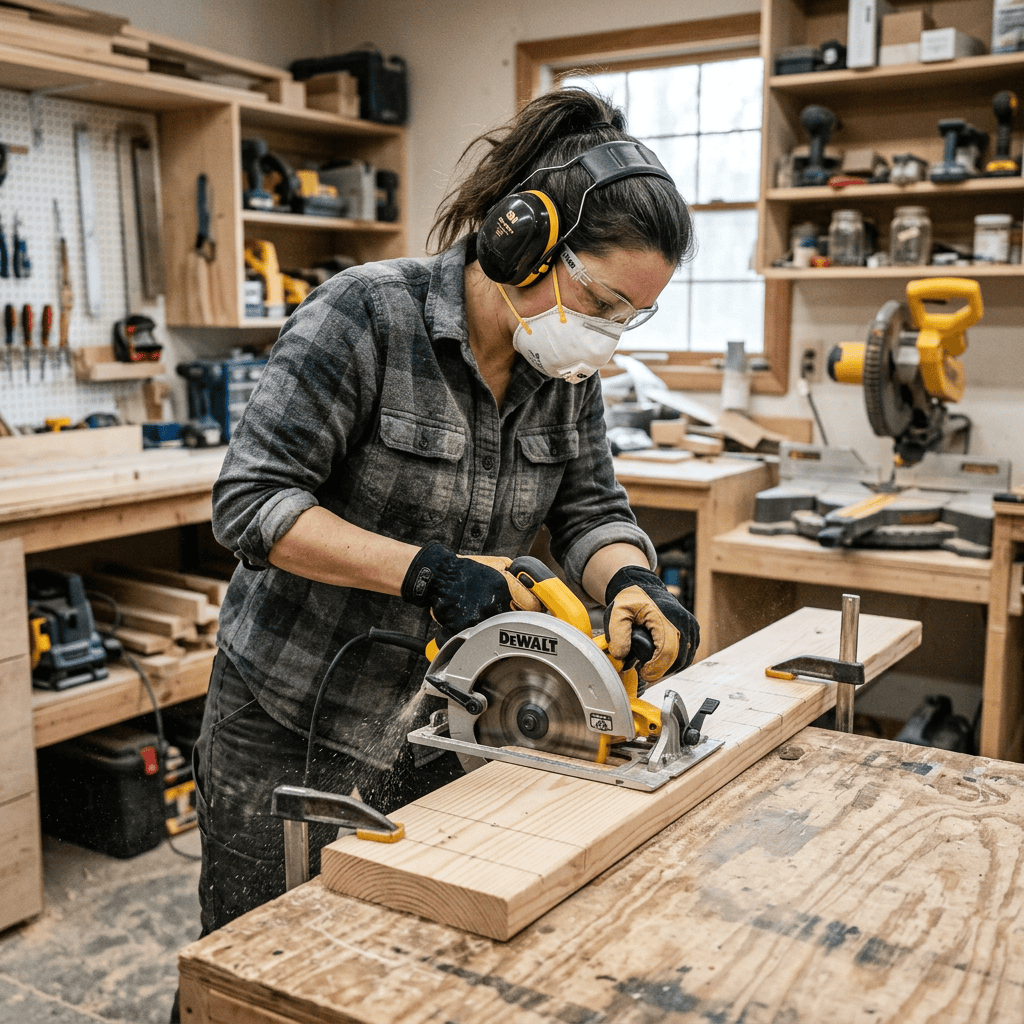
Safety is one of the most important aspects of woodworking.
Wear Protective Equipment
Always use:
- Eye protection
- Hearing protection
- Respiratory protection when sanding or cutting
Never assume a quick cut is safe without protection.
Keep Tools Sharp
Sharp tools are actually safer than dull ones because they require less force and provide better control.
Maintain a Clean Workspace
Remove:
- Sawdust
- Scrap wood
- Loose cords
- Clutter
A clean shop reduces accidents and improves efficiency.
Avoid Rushing
Most woodworking injuries happen when people become distracted or hurried.
Slow, careful work produces better results and safer projects.
Takeaway: Safe habits become lifelong habits.
What Are the Best Beginner Woodworking Project Ideas?
Choosing appropriate woodworking project ideas keeps learning enjoyable.
Good first projects include:
- Wooden cutting boards
- Picture frames
- Floating shelves
- Birdhouses
- Step stools
- Storage boxes
- Tool organizers
- Small benches
These projects teach measuring, cutting, assembly, sanding, and finishing without overwhelming complexity.
Skill Progression
| Project | Skills Learned |
|---|---|
| Cutting board | Sanding, finishing |
| Shelf | Straight cuts, fastening |
| Picture frame | Miters, measuring |
| Storage box | Joinery, assembly |
| Bench | Structural strength, accuracy |
Takeaway: Each completed project builds both skill and confidence.
Common Mistakes Beginners Should Avoid
Many new woodworkers make the same avoidable mistakes.
Buying Too Many Tools
Expensive equipment cannot replace skill.
Master basic tools first.
Ignoring Wood Movement
Wood expands and contracts with humidity.
Leave room for seasonal movement in larger projects.
Skipping Practice Cuts
Always test cuts on scrap lumber before cutting expensive materials.
Using Poor-Quality Lumber
Warped boards create unnecessary frustration.
Choose straight, dry lumber whenever possible.
Neglecting Clamping
Proper clamping improves glue joints and keeps assemblies square during drying.
Takeaway: Avoiding common mistakes accelerates improvement.
How Can Beginners Improve Their Woodworking Techniques?
Improvement comes through consistent practice rather than rushing into advanced projects.
Helpful strategies include:
- Build the same project more than once.
- Practice individual skills on scrap wood.
- Keep a notebook of lessons learned.
- Learn one new technique at a time.
- Watch experienced woodworkers demonstrate proper methods.
- Focus on precision instead of speed.
- Inspect finished projects to identify areas for improvement.
Small improvements accumulate quickly over time.
Takeaway: Repetition develops confidence, accuracy, and craftsmanship.
Common Questions About Woodworking Tips for Beginners
What wood is easiest for beginners?
Softwoods like pine are inexpensive, widely available, and easy to cut, making them ideal for beginners.
Do I need expensive tools?
No. A small collection of quality basic tools is enough for most beginner projects.
Should beginners start with hand tools or power tools?
Learning both is beneficial. Hand tools improve technique, while power tools increase efficiency.
What is the hardest skill to learn?
Accurate measuring and precision cutting often require the most practice but provide the greatest long-term benefits.
How long does it take to become good at woodworking?
Most beginners develop solid foundational skills after completing several simple projects and practicing consistently.
What finish is easiest to apply?
Wipe-on polyurethane and Danish oil are beginner-friendly finishes that produce reliable results.
Is woodworking expensive?
It can be affordable if you buy tools gradually and begin with simple projects.
What causes most beginner mistakes?
Rushing, inaccurate measuring, and skipping safety procedures account for many common errors.
Why This Matters
Woodworking is more than building objects. It develops patience, problem-solving skills, precision, and creativity. Every project teaches lessons that improve future work, making woodworking a hobby where experience compounds over time.
Learning beginner woodworking skills correctly also saves money by reducing wasted materials and minimizing costly mistakes. Instead of relying on trial and error alone, following proven techniques helps produce stronger, cleaner, and more professional-looking projects from the beginning.
The most successful woodworkers rarely start with advanced furniture. They master the fundamentals, build confidence through manageable projects, and steadily expand their abilities. That disciplined approach leads to better craftsmanship and greater enjoyment over the long term.
FAQ
What are the most important woodworking tips for beginners?
Beginners should focus on accurate measuring, safe tool use, basic joinery, proper sanding, and starting with simple projects. Mastering these fundamentals builds confidence and prepares you for more advanced woodworking.
Which woodworking tools should beginners buy first?
Start with a tape measure, combination square, clamps, cordless drill, circular saw, random orbital sander, hammer, chisels, and safety equipment. Purchase additional tools as your skills and project needs grow.
What is the easiest woodworking project for beginners?
Simple projects such as cutting boards, floating shelves, birdhouses, storage boxes, and picture frames are excellent starting points because they teach core woodworking skills without excessive complexity.
How can beginners improve their woodworking techniques?
Practice consistently, complete small projects, learn one new skill at a time, make test cuts on scrap wood, and evaluate finished work to identify areas for improvement.
Why is safety important in woodworking?
Woodworking involves sharp tools, spinning blades, and airborne dust. Wearing protective equipment, maintaining sharp tools, and following safe operating procedures significantly reduce the risk of injury while improving work quality.
Final Summary
The best woodworking tips for beginners focus on mastering the fundamentals before pursuing advanced projects.
By developing basic woodworking skills, practicing proven woodworking techniques for novices, investing in essential woodworking tools, and following proper safety tips for woodworking, beginners can build confidence and consistently produce high-quality results.
Start with simple woodworking project ideas, prioritize accuracy over speed, and practice regularly. Every completed project strengthens your skills and prepares you for more ambitious woodworking challenges.
Learning from trusted organizations helps beginners build safe habits and develop proper woodworking techniques. For additional guidance, visit WOOD Magazine, review workshop safety information from OSHA, and explore woodworking plans and educational resources at the Popular Woodworking website.
Ready to accelerate your woodworking journey? Discover step-by-step plans, expert guidance, and beginner-friendly projects with the Woodcraft Mastery here: