Quick Overview of Wood Types: What You Should Know
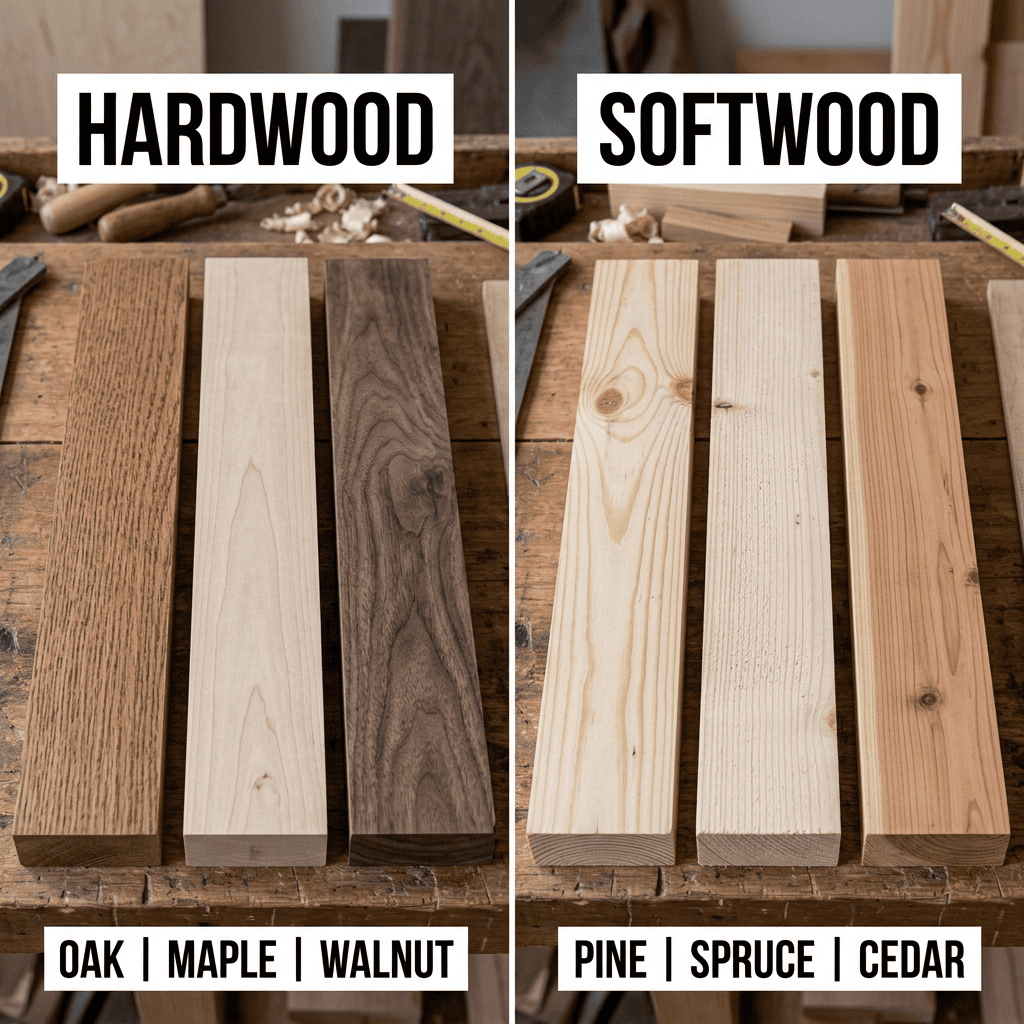
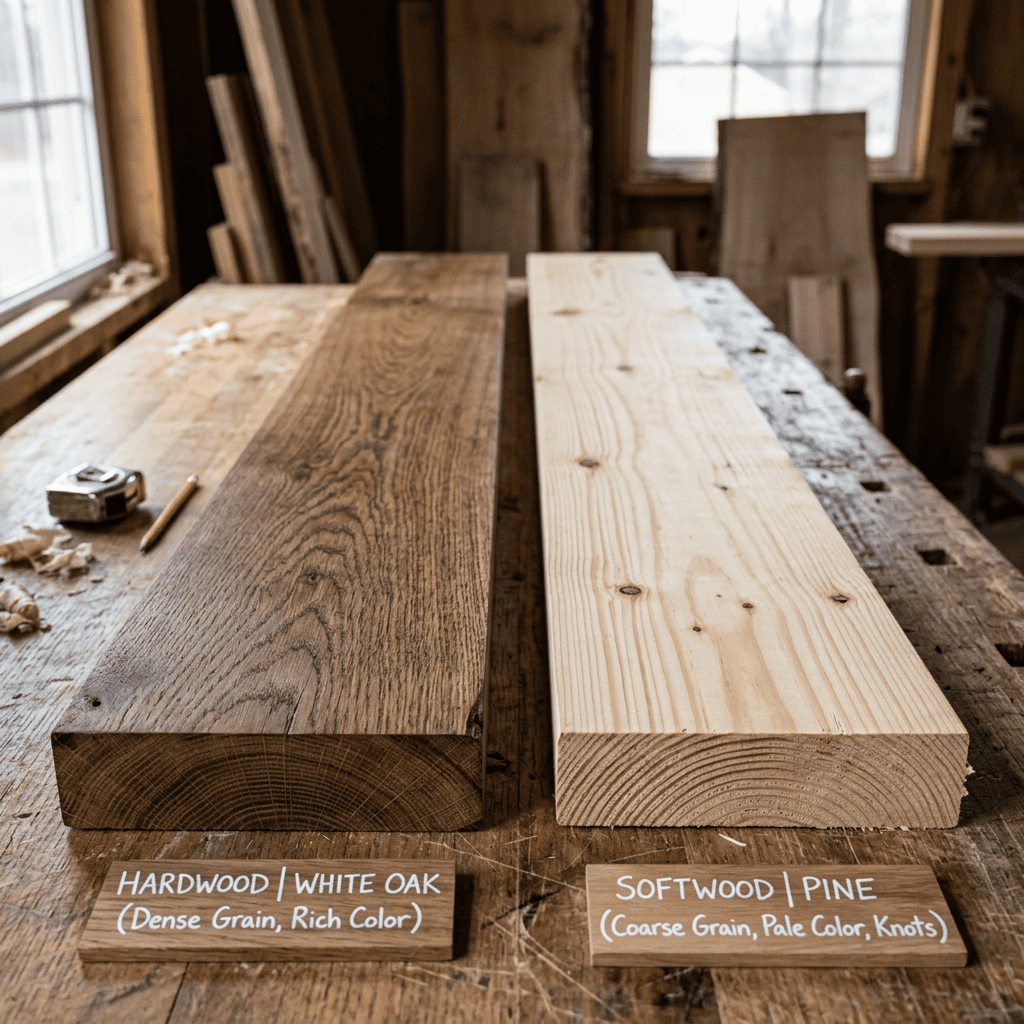
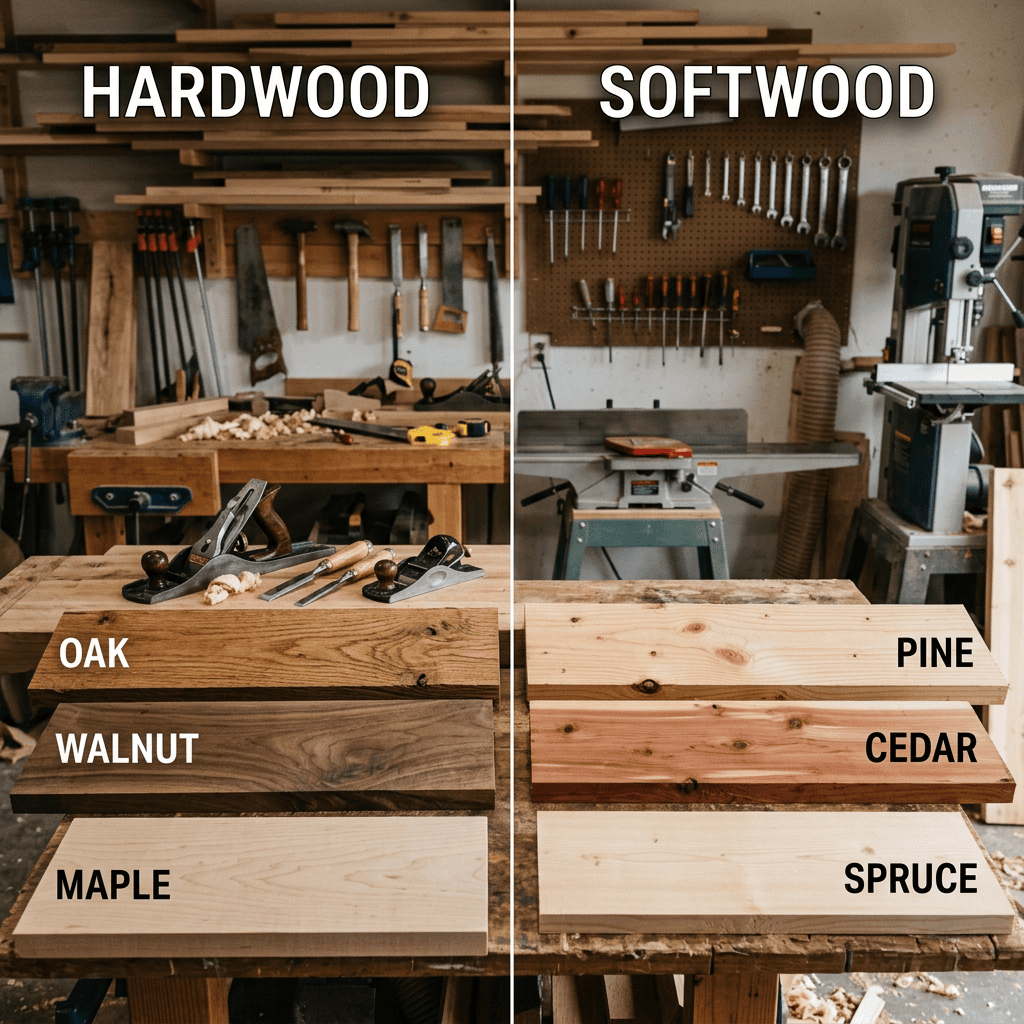
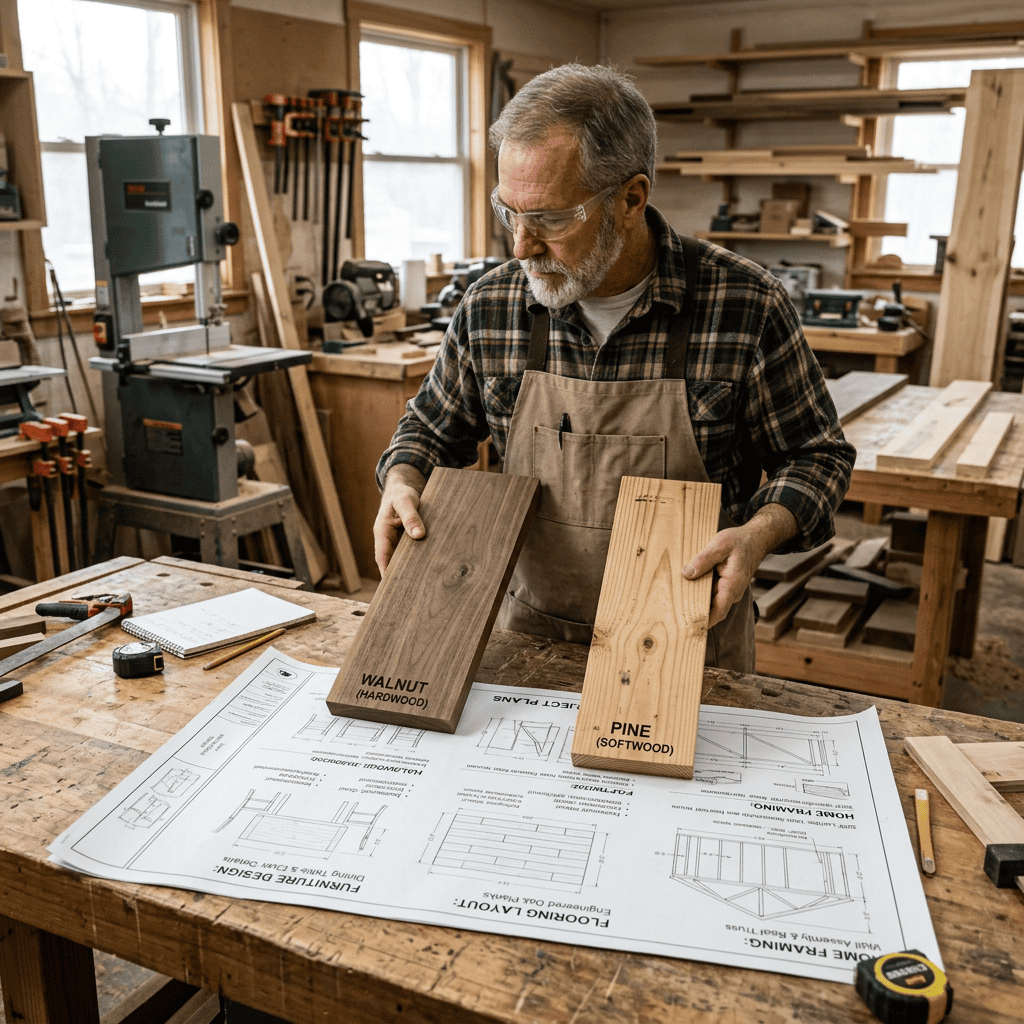
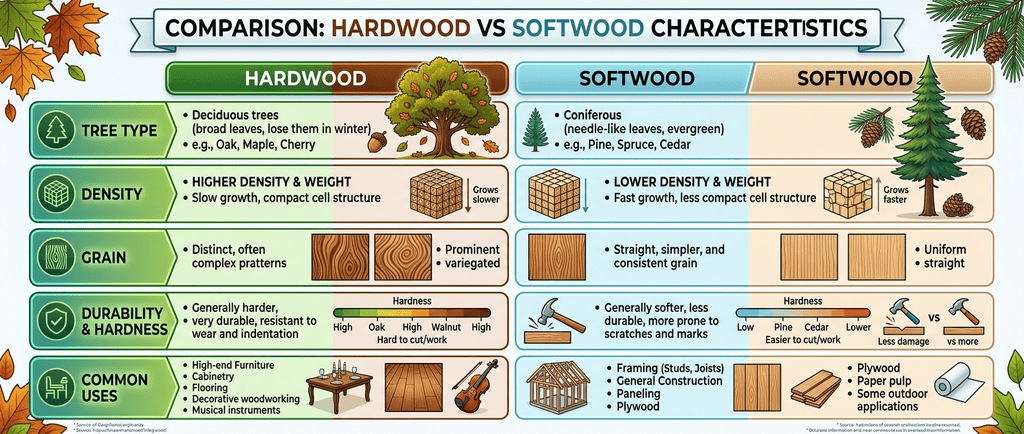
The distinction between Hardwood and Softwood lies mainly in the species of trees from which they are sourced rather than their hardness levels. Hardwoods are derived from deciduous trees that lose their leaves annually, whereas softwoods originate from coniferous trees that remain evergreen.
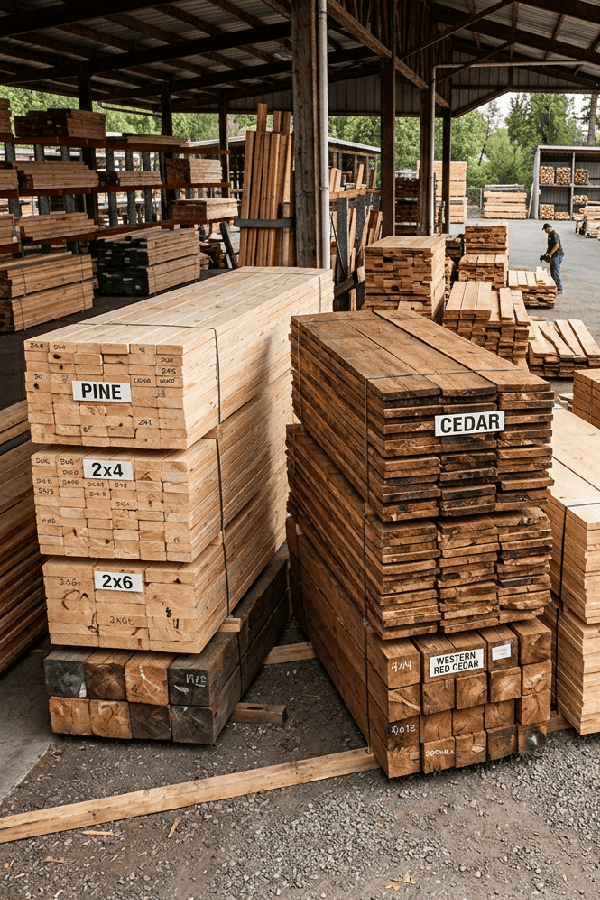
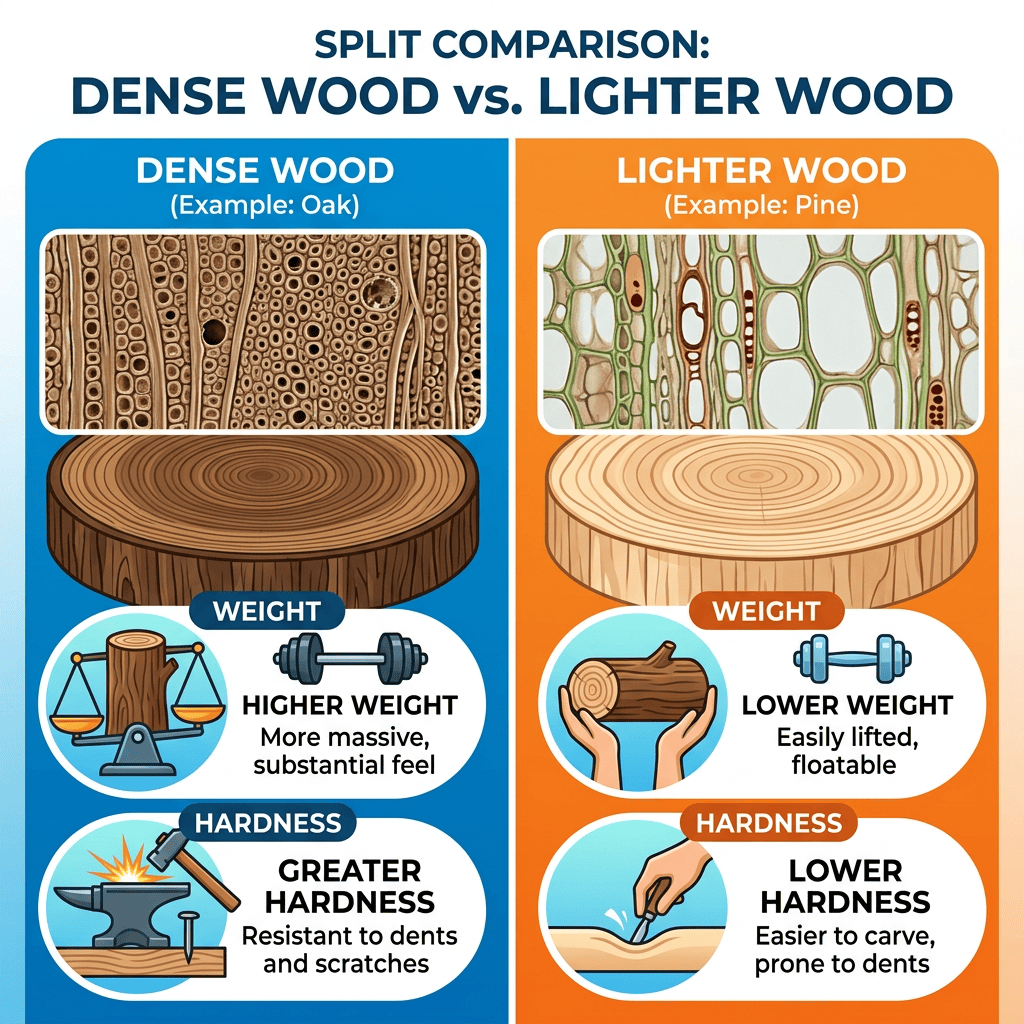
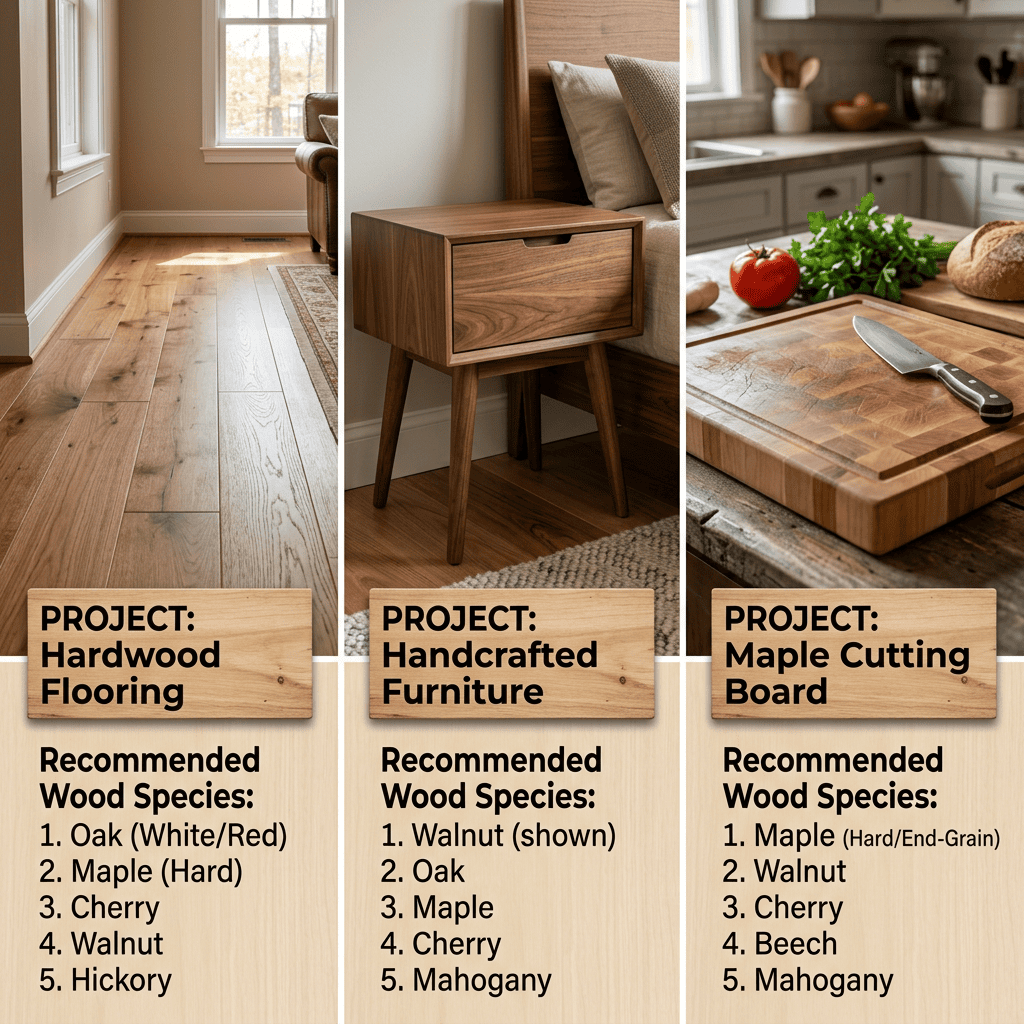
Typically, hardwoods are denser and more durable, making them ideal for crafting high-quality furniture and flooring. In contrast, softwoods tend to be lighter, grow more rapidly, and are often more cost-effective, leading to their common use in construction materials, paper products, and various woodworking projects.
Essential Takeaways on Wood Types
- Wood grain patterns influence strength, stability, and machining performance.
- Different species produce unique grain characteristics that affect appearance and durability.
- Reading wood grain correctly helps prevent tear-out, splitting, and finishing problems.
- Selecting wood by grain is just as important as selecting wood by species.
- Grain orientation affects woodworking techniques such as planing, carving, sanding, and joining.
- Straight grain is ideal for structural applications, while figured grain excels in decorative work.
- Understanding grain patterns leads to better craftsmanship, longer-lasting projects, and improved material efficiency.
Comparing Hardwood vs. Softwood: Key Features, Applications, and Material Selection
As one of humanity's oldest building materials, wood has played a vital role in countless constructions throughout history. Whether you're working on a new home build or taking on a DIY project, choosing the right type of wood significantly impacts the overall strength, visual appeal, maintenance requirements, and financial investment involved.
One of the primary choices you will face is selecting between hardwood and softwood. While these classifications may imply variations in toughness, they actually represent different biological families of trees from which each type is harvested.
By understanding key factors like wood characteristics, density levels, durability ratings, and typical applications for both hardwoods and softwoods, you can make informed decisions that effectively balance performance with aesthetic appeal while staying within your budget.
Defining Hardwood: Characteristics and Benefits
This guide will clarify the essential distinctions between hardwoods and softwoods by exploring their individual properties while providing practical tips for selecting the most suitable wood types for your specific needs.
Hardwood refers to timber sourced from deciduous trees-those broad-leaved varieties that shed their foliage each autumn. Such trees generally exhibit slower growth compared to conifers, resulting in woods characterized by higher density and intricate grain patterns.
- Tree species
- Growth conditions
- Cutting method
- Fiber direction
- Natural figure and defects
Numerous species of hardwood are valued not only for their strength but also for their visually appealing aesthetics and durability over long periods of usage.
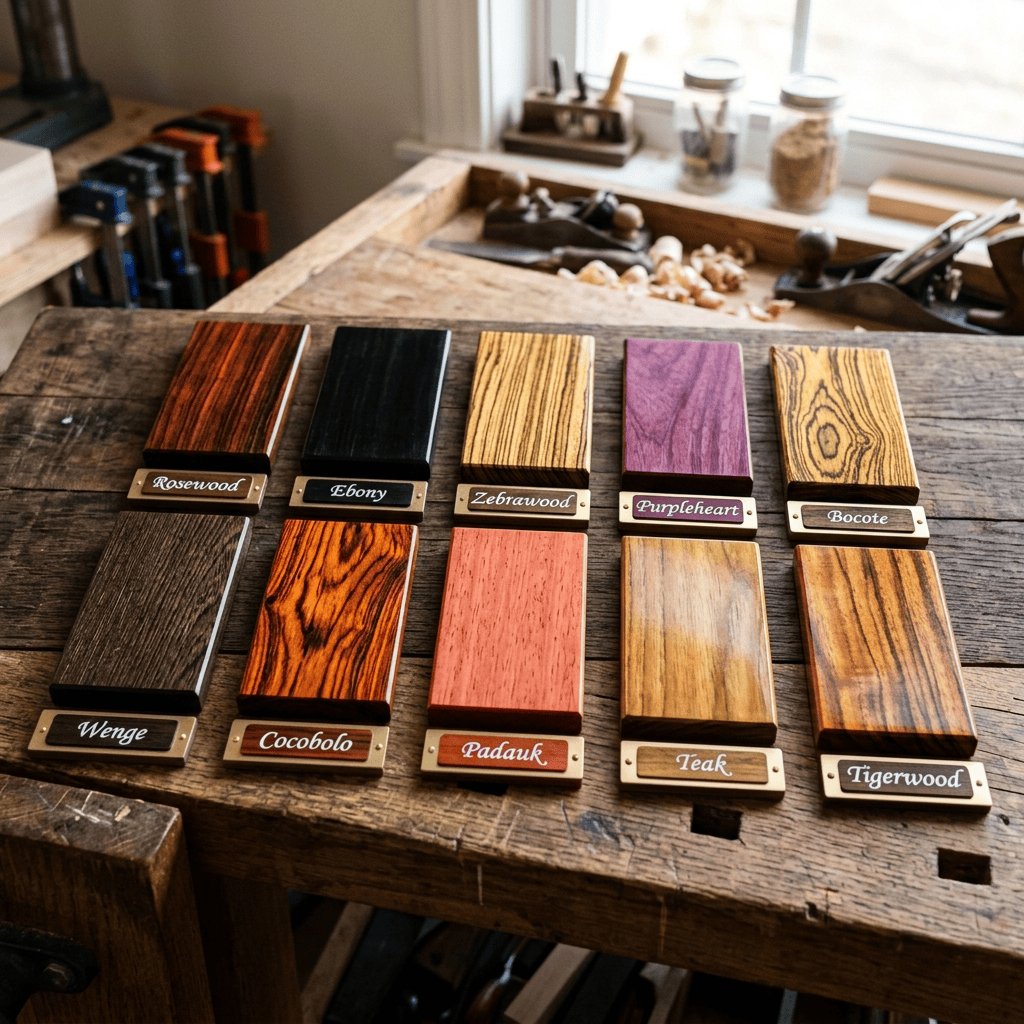
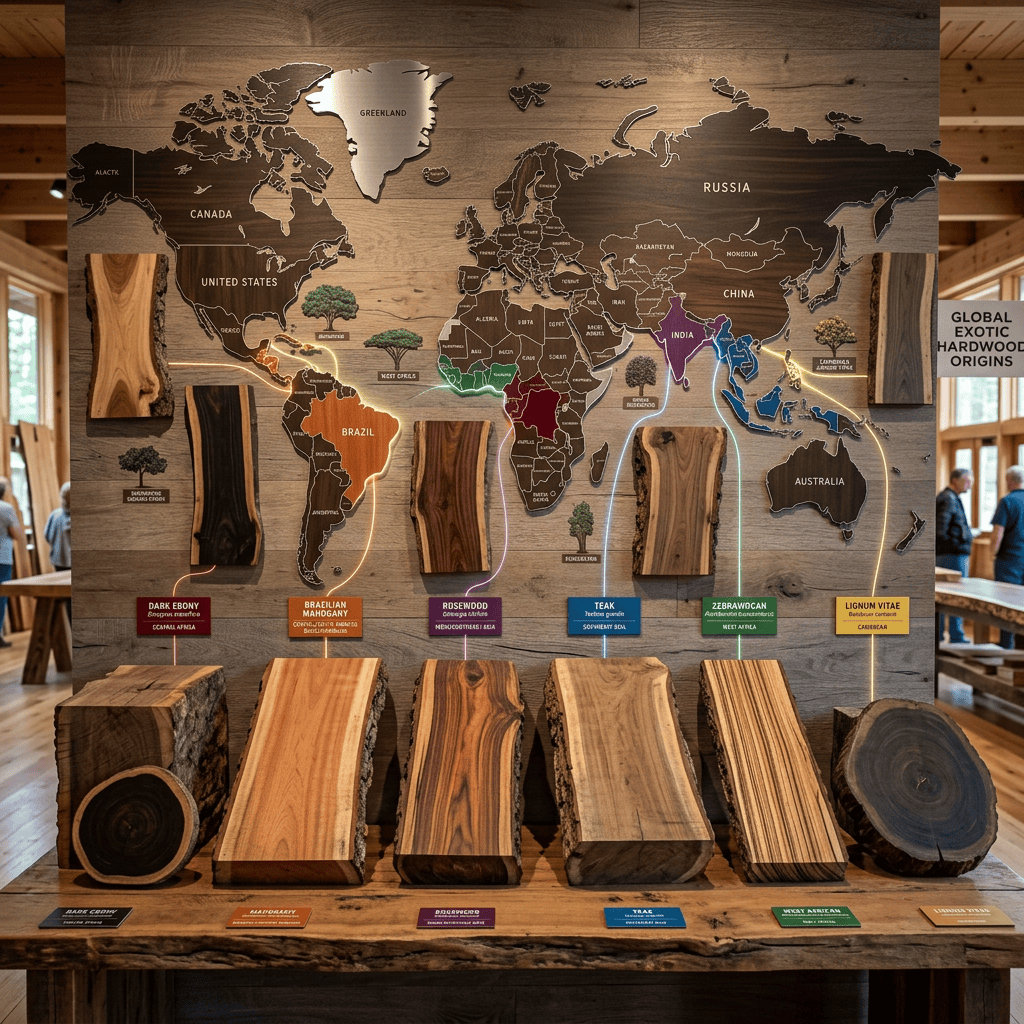
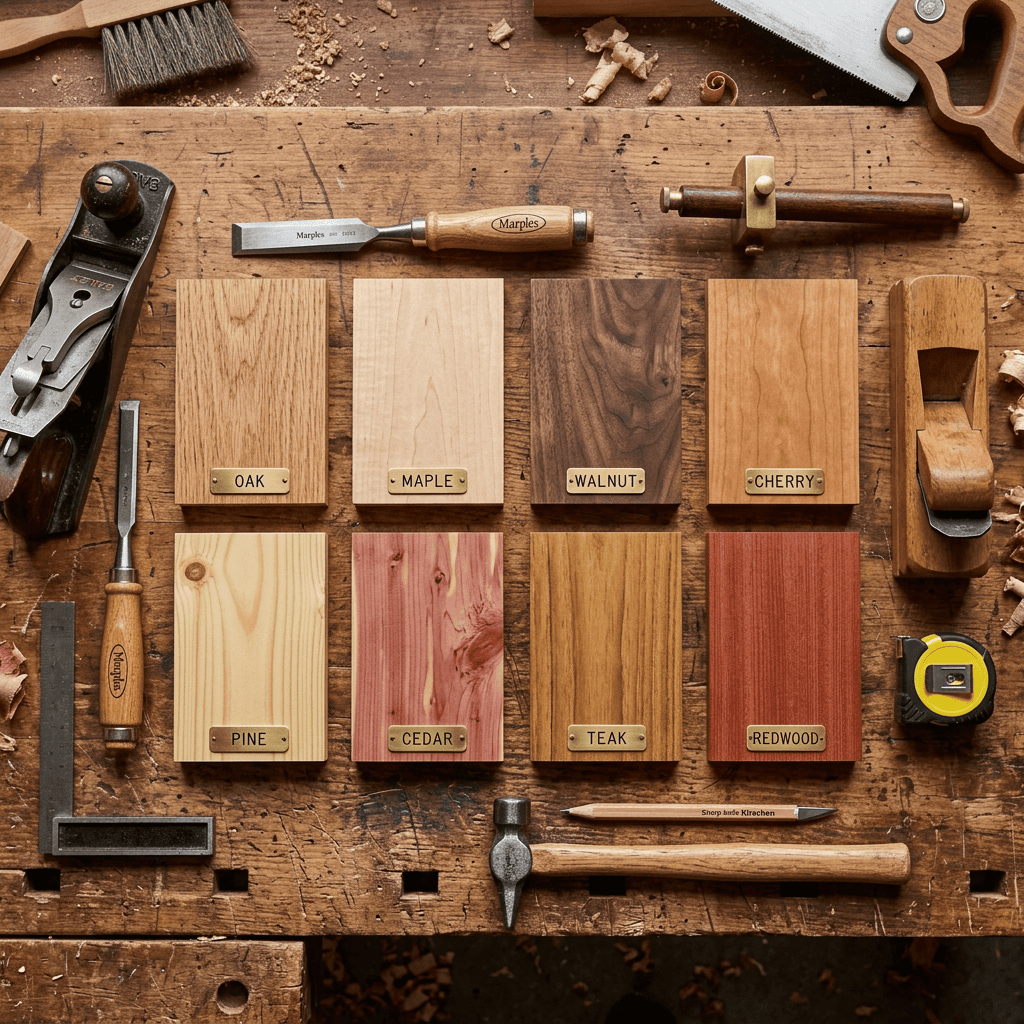
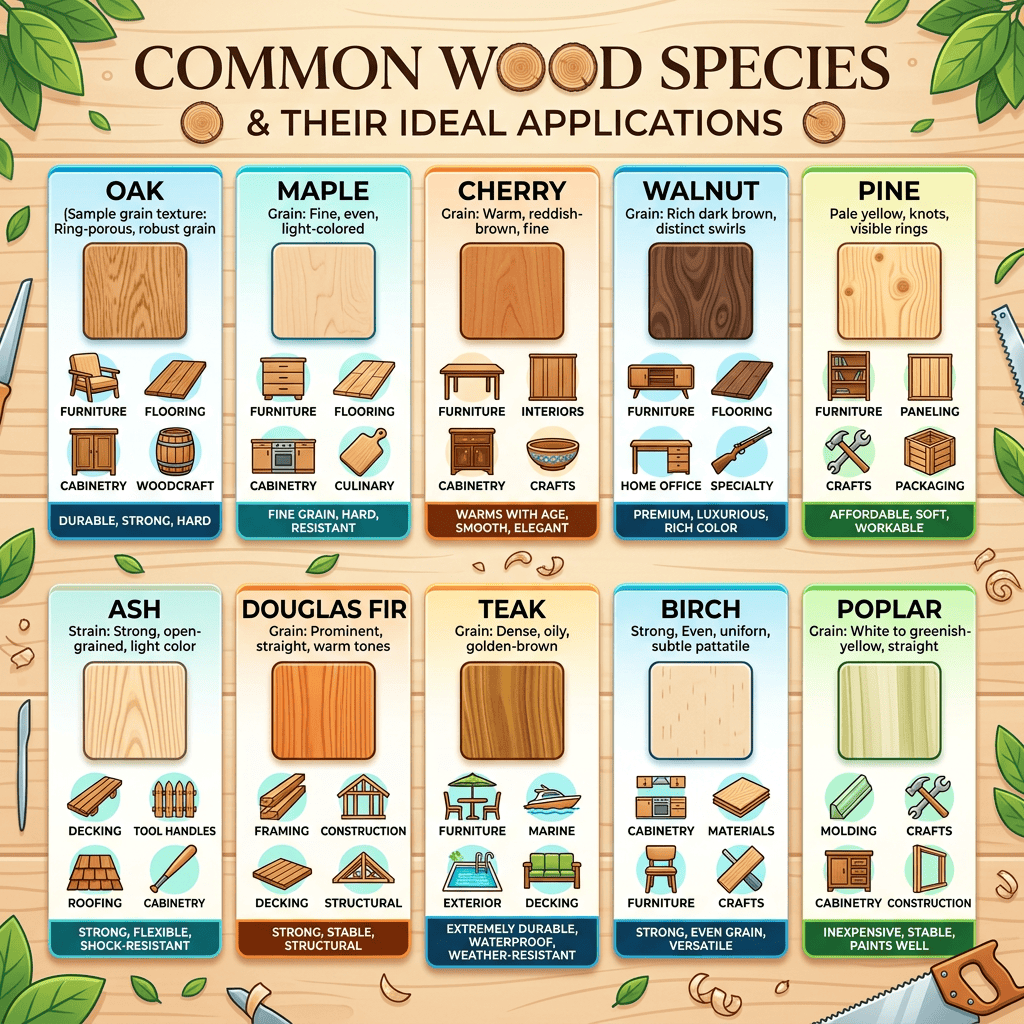
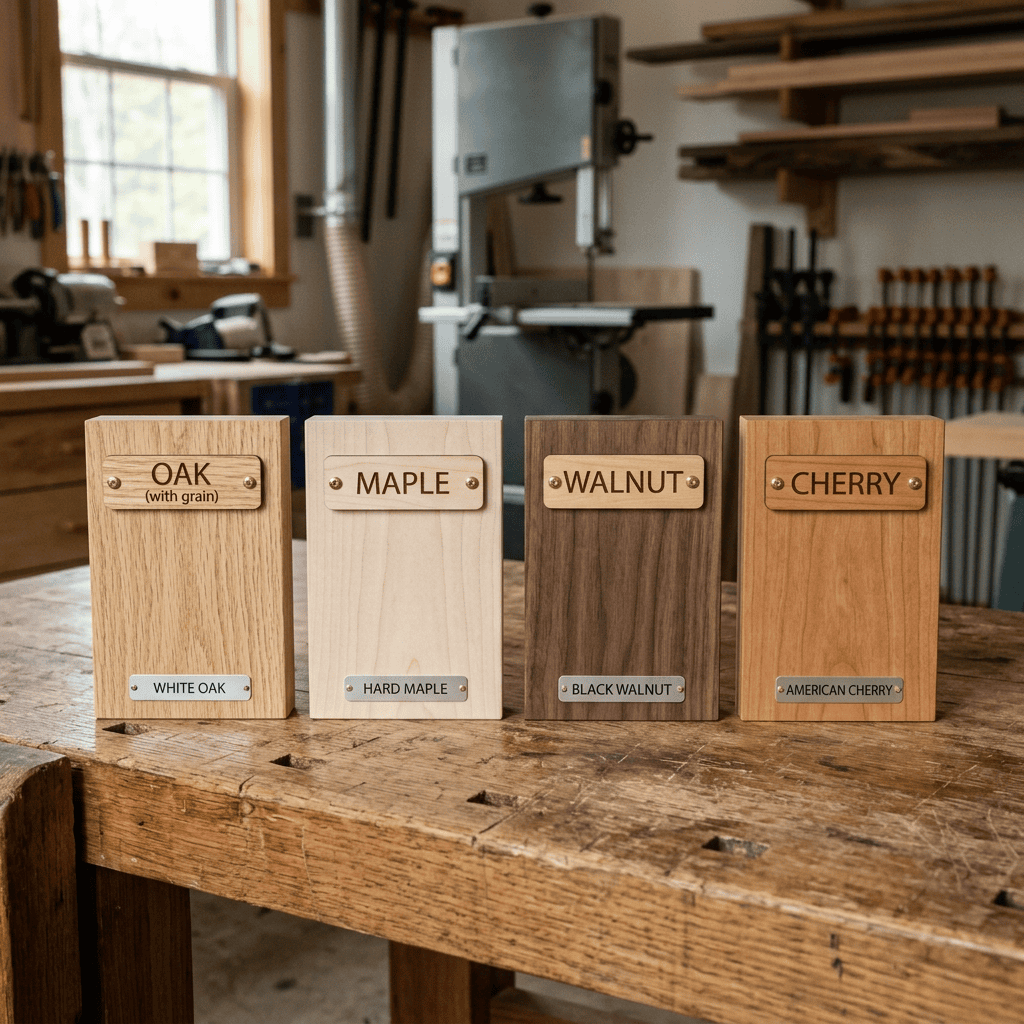
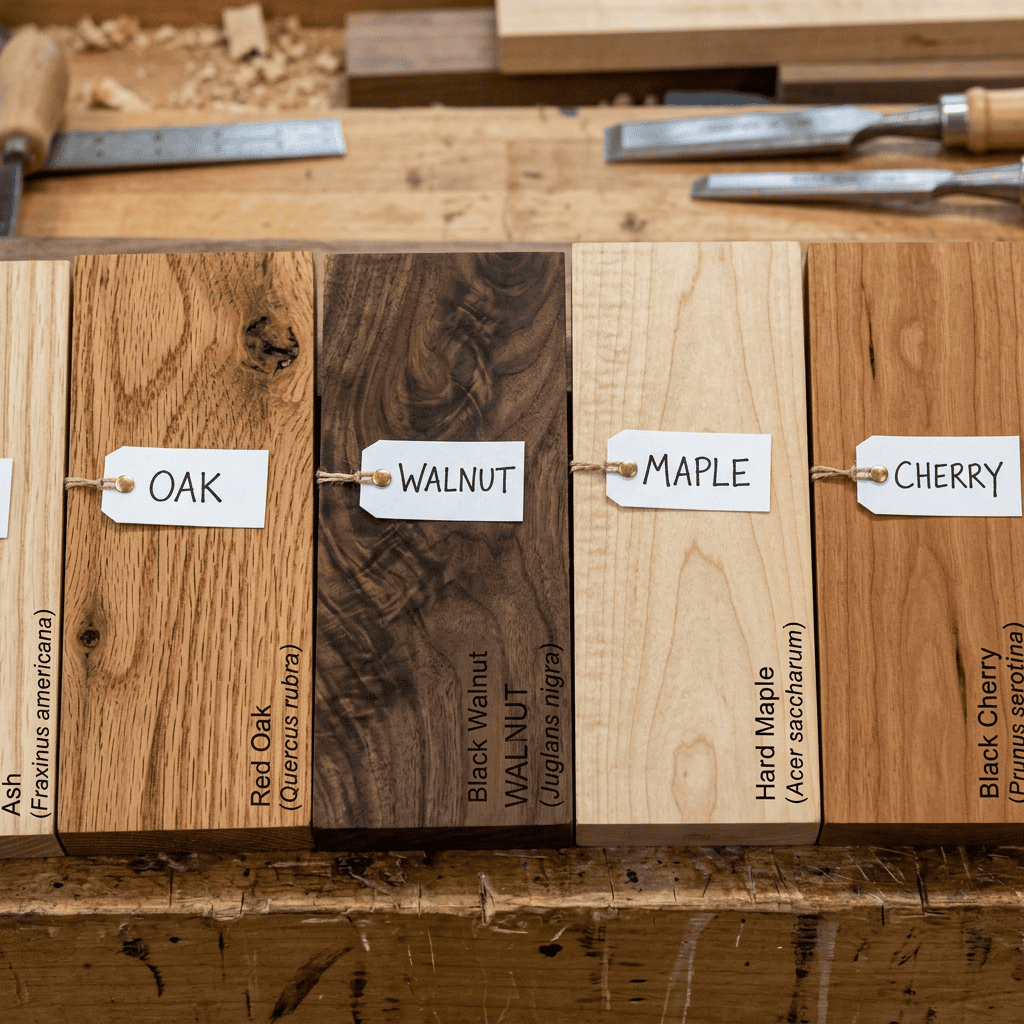
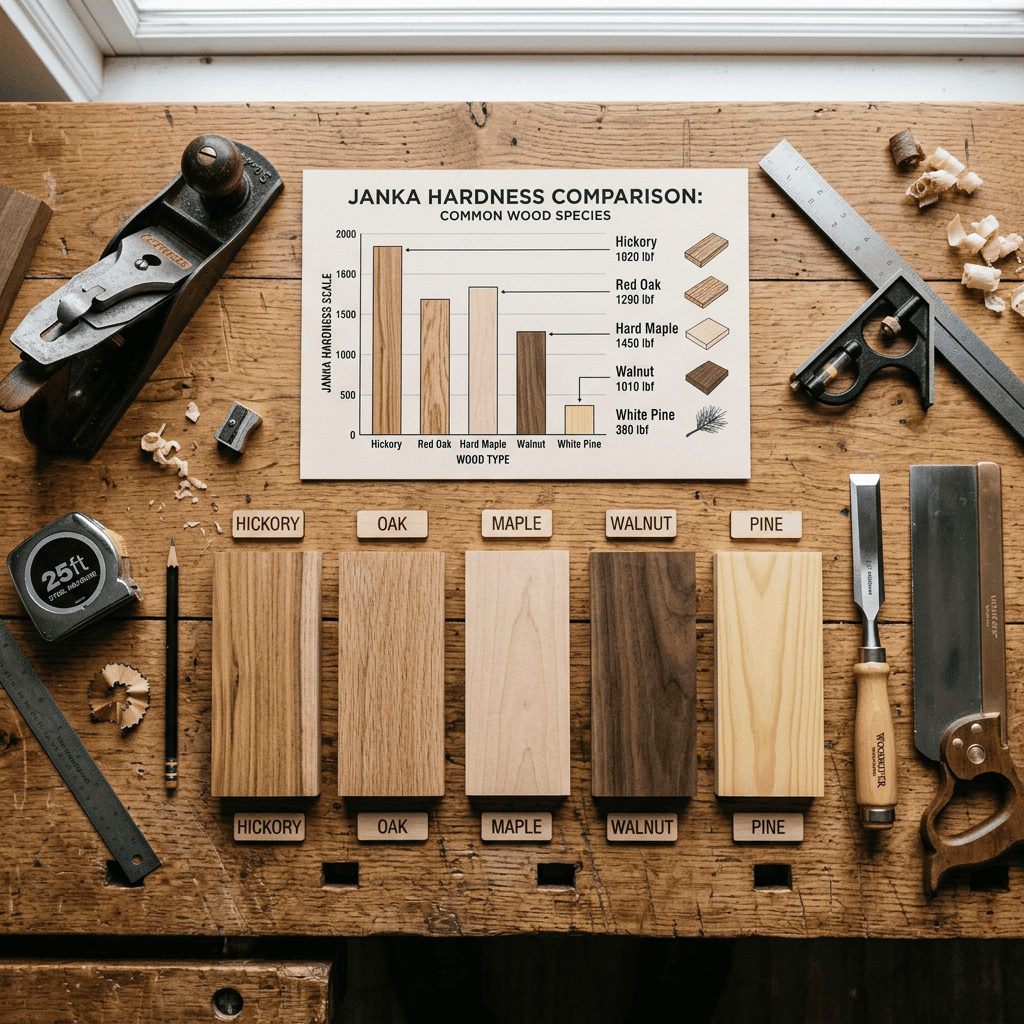
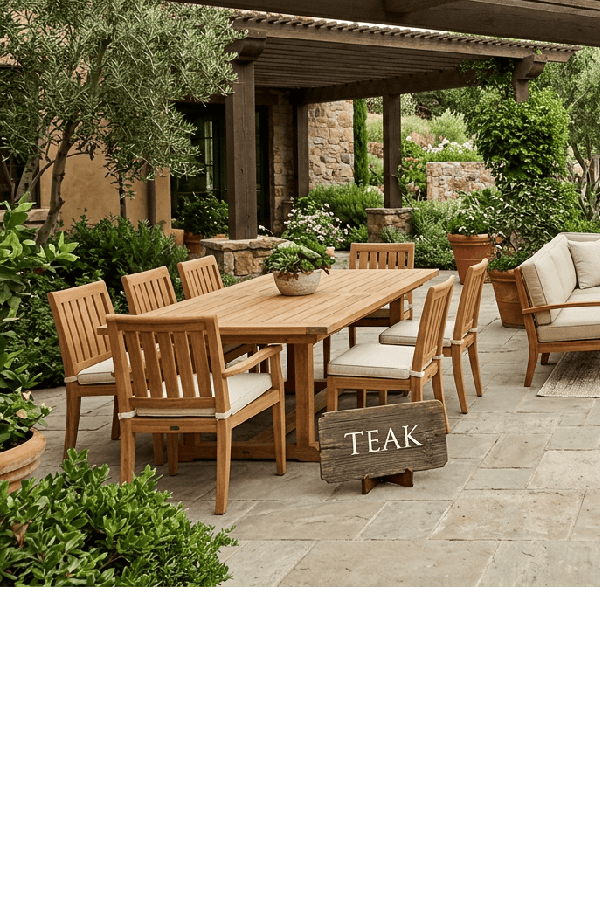
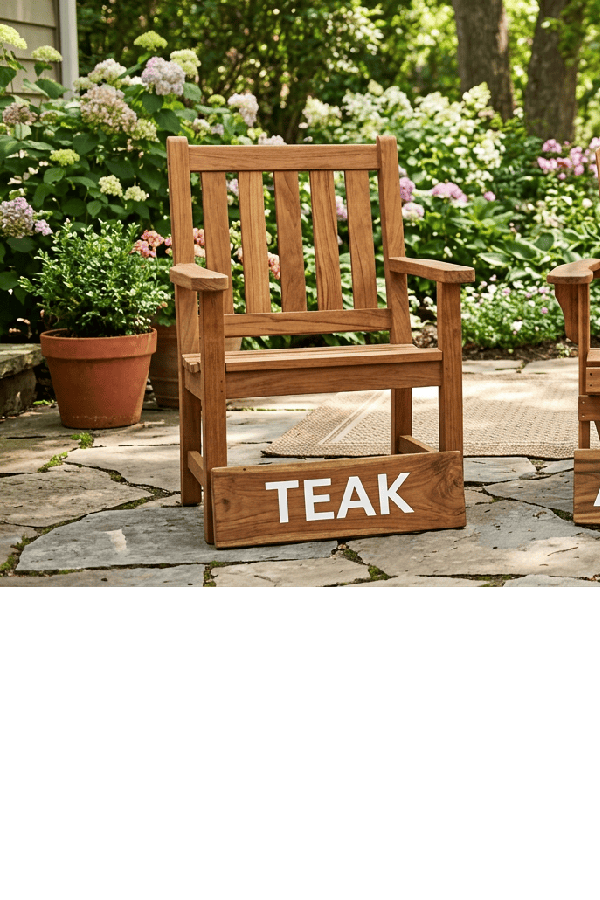
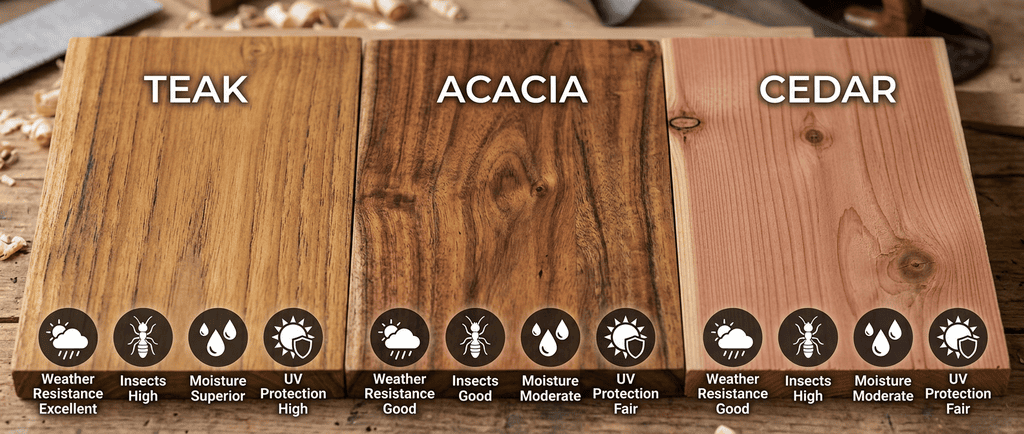
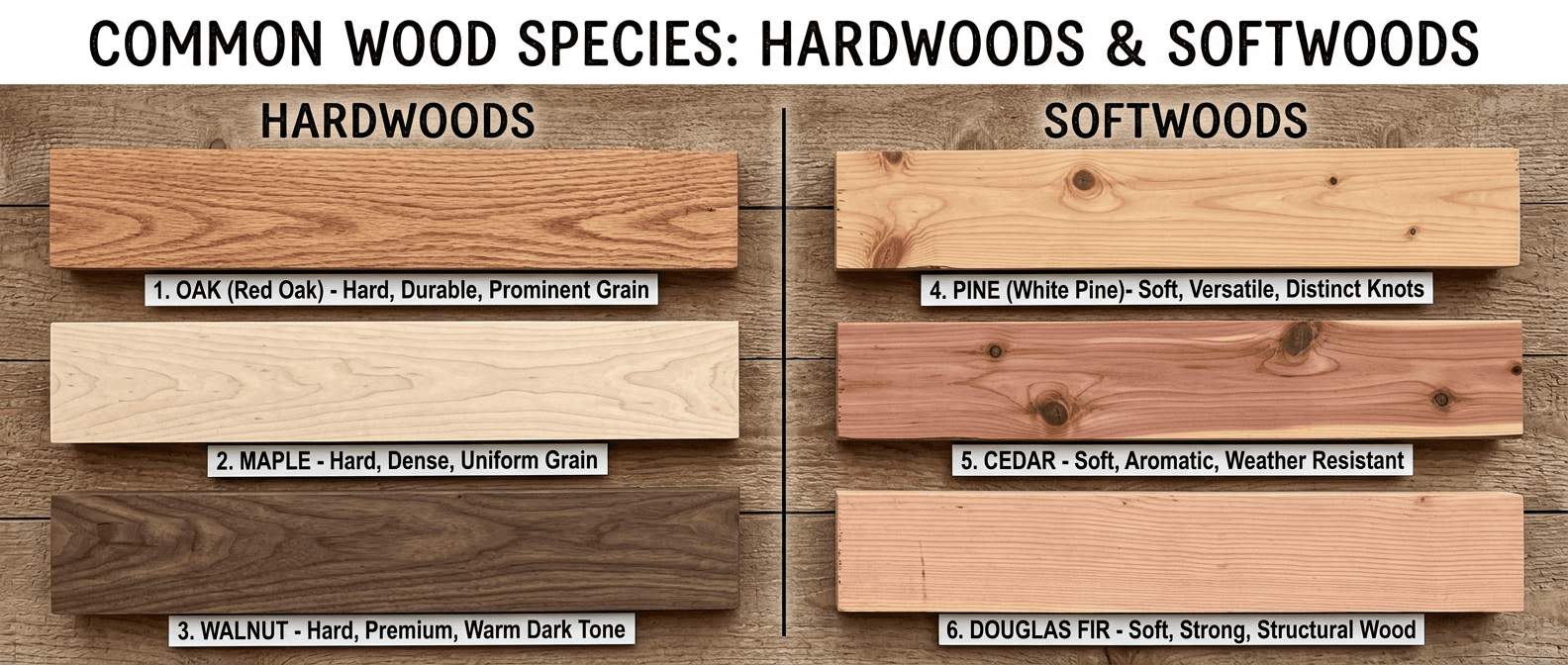
Some commonly used types of hardwood include Oak, Maple, Walnut, Cherry, Mahogany, Ash, Beech, Hickory, Teak, and Birch. Each species presents distinct attributes regarding hardness levels, color variations, grain structure complexities as well as moisture resistance capabilities.
Defining Softwood: Characteristics and Benefits
Each hardwood species possesses unique traits related to its hardness rating alongside its coloration and grain pattern intricacies; thus it becomes essential to choose wisely based on project requirements.
Explore Popular Hardwood Varieties for Your Projects
Most hardwoods exhibit several defining features: They tend to possess higher wood density along with tight-knit attractive grains which contribute towards exceptional durability. Additionally they show greater resistance against dents or wear-and-tear while offering longer lifespans compared to other alternatives.
However not all hardwoods share extreme hardness; for instance,balsais classified within this category despite being among the lightest commercially available woods today.
- Table legs
- Structural beams
- Chair components
- Tool handles
Understanding Key Characteristics of Hardwoods
Wood naturally expands and contracts across the grain as humidity changes.
Boards with predictable grain orientation experience:
- Less warping
- Reduced cupping
- Better dimensional stability
Discover Common Softwood Types and Their Uses
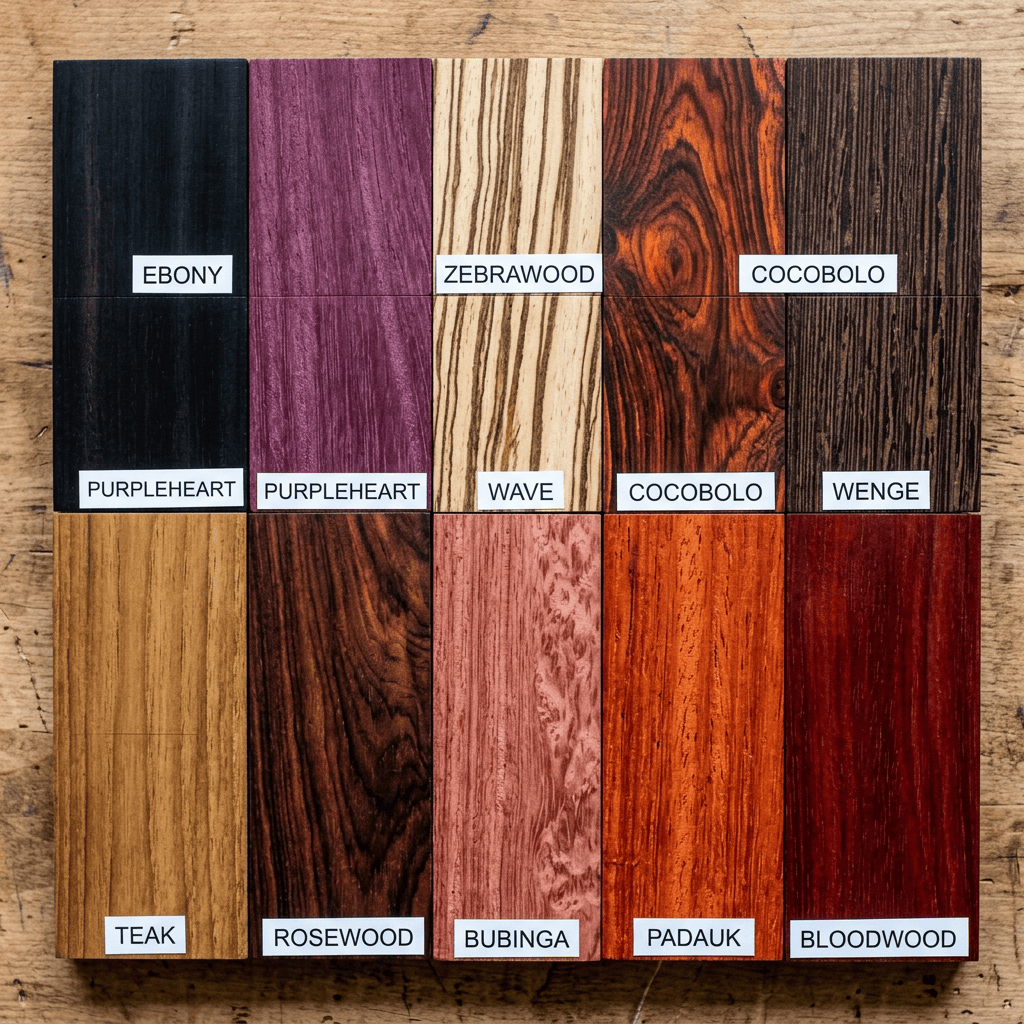
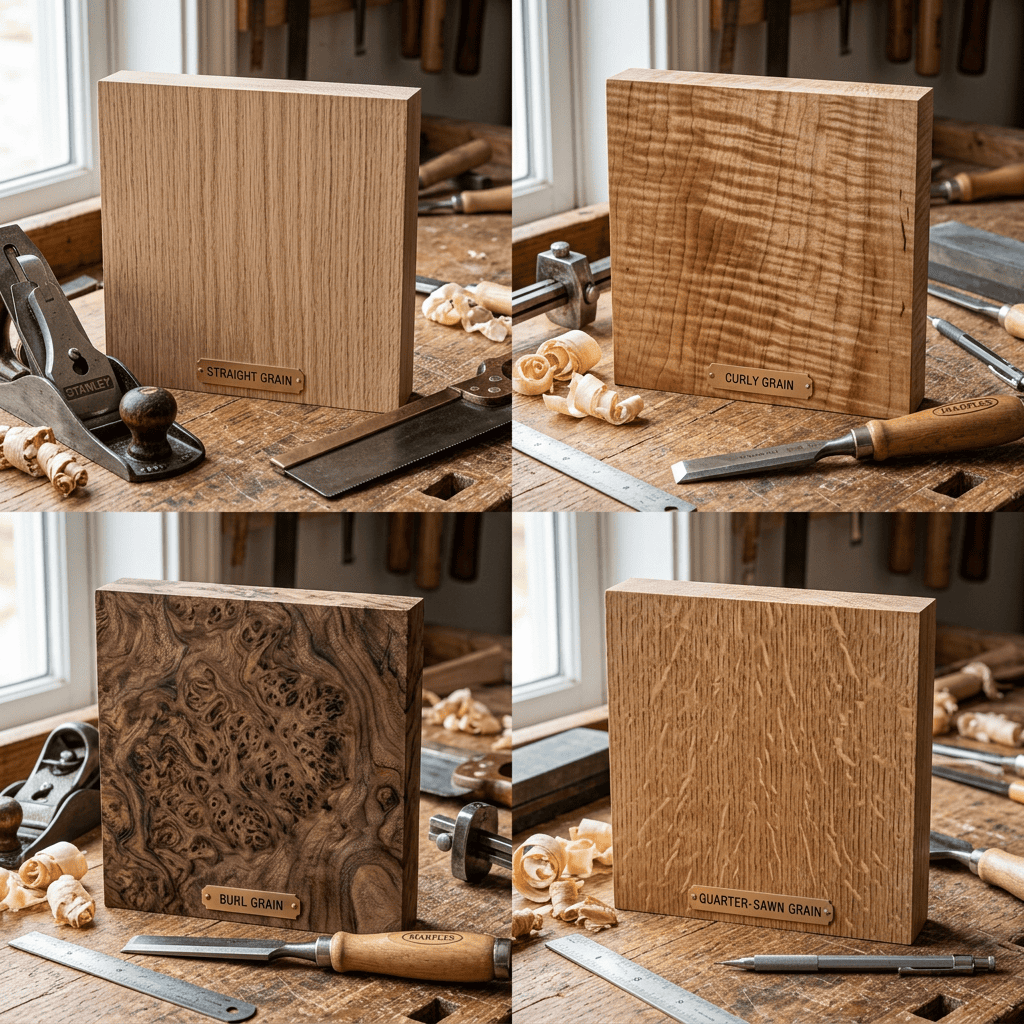
Grain creates the visual personality of wood.
Examples include:
- Elegant straight lines
- Dramatic curly figure
- Cathedral arches
- Swirling burls
These characteristics heavily influence furniture style and interior design.
Key Features That Define Softwood Species
Proper grain orientation makes woodworking easier by improving:
- Planing
- Carving
- Sanding
- Routing
- Turning
Ignoring grain direction often results in tear-out and rough surfaces.
Takeaway: Grain influences nearly every stage of woodworking, from structural performance to final appearance.
Hardwood vs. Softwood: Uncovering the Main Differences
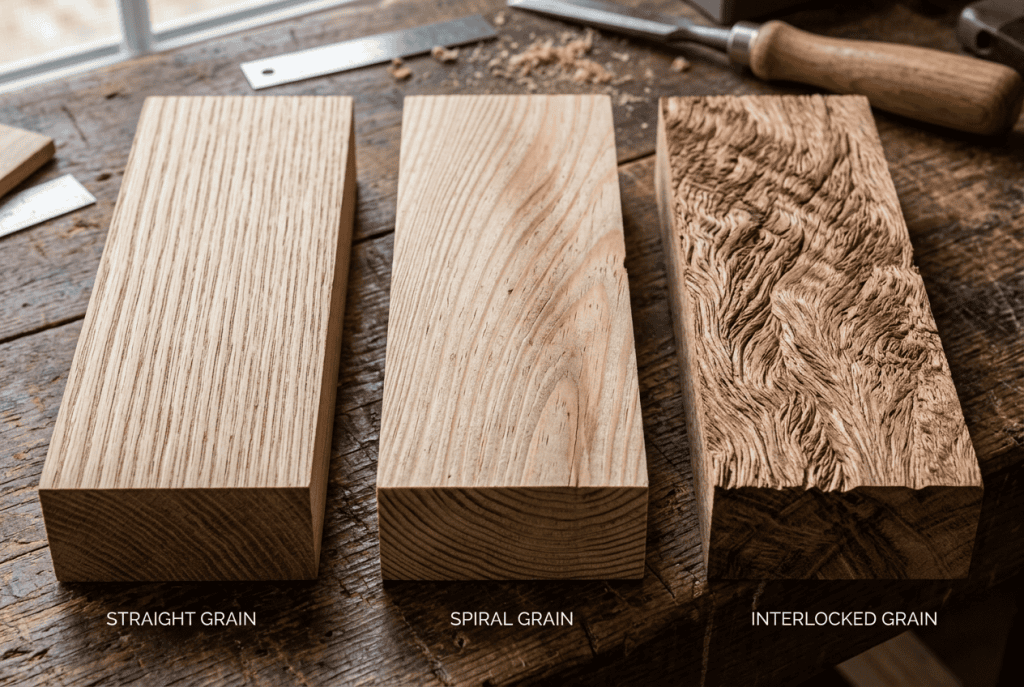
Understanding the major types of wood grain helps match wood to specific projects.
| Grain Type | Characteristics | Best Uses |
|---|---|---|
| Straight Grain | Fibers run parallel | Furniture, flooring, structural work |
| Spiral Grain | Fibers twist around trunk | Rustic projects, specialty lumber |
| Interlocked Grain | Fibers alternate direction | Decorative furniture, veneers |
| Wavy Grain | Gentle wave-like pattern | Musical instruments, premium furniture |
| Curly Grain | Rippled figure | High-end cabinetry, decorative panels |
| Bird’s Eye Grain | Small circular figure | Veneers, luxury interiors |
| Burl Grain | Highly irregular growth | Artistic pieces, tabletops, bowls |
Straight grain offers the most predictable machining, while figured grain often commands premium prices because of its striking appearance.
Takeaway: Every grain pattern offers unique advantages depending on functional and aesthetic goals.
Common Applications of Hardwood in Projects
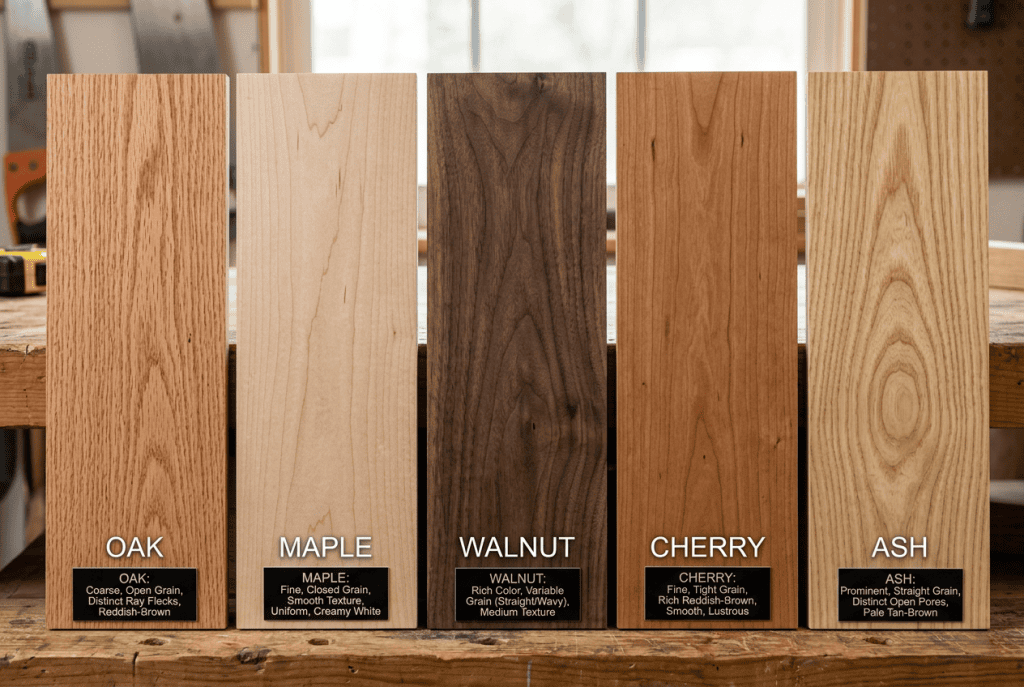
Different tree species naturally produce different grain characteristics.
| Wood Species | Typical Grain Pattern | Common Applications |
|---|---|---|
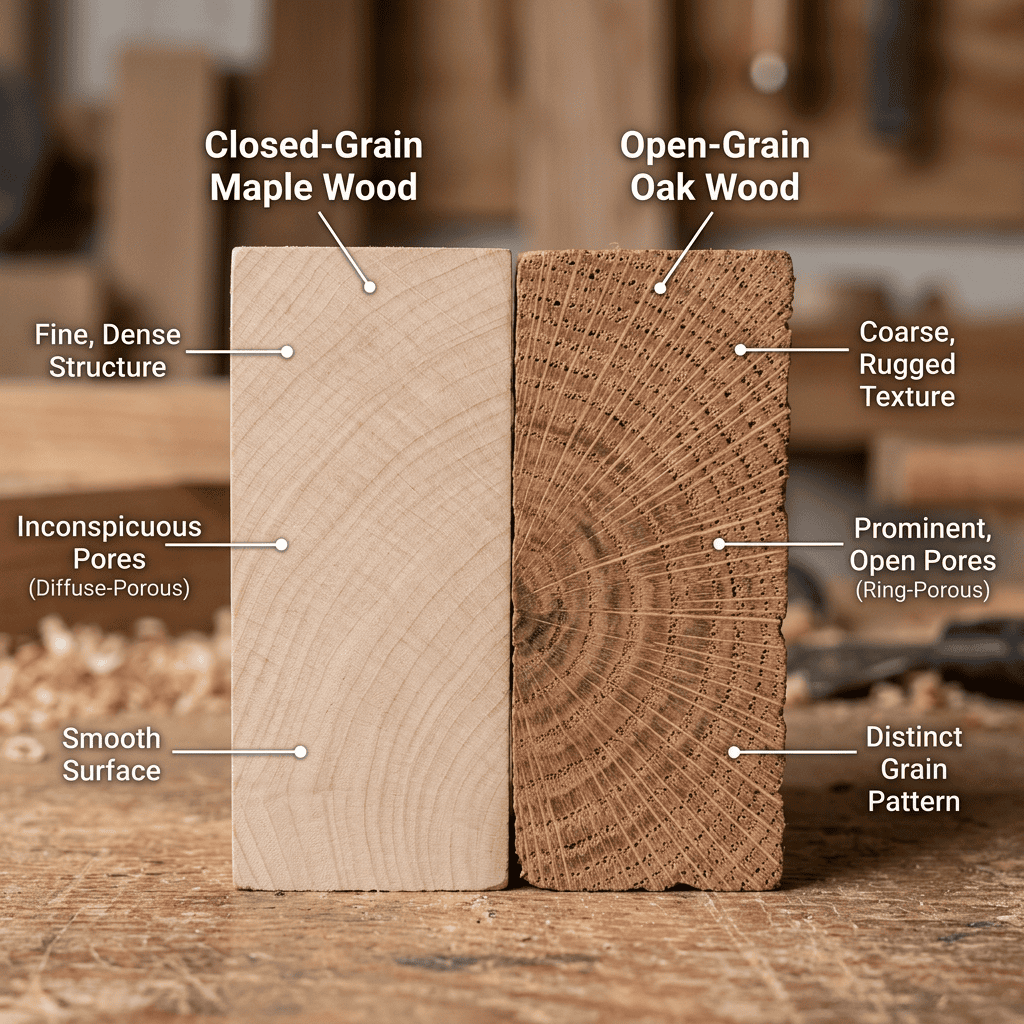
| Oak | Prominent open grain | Flooring, cabinets |
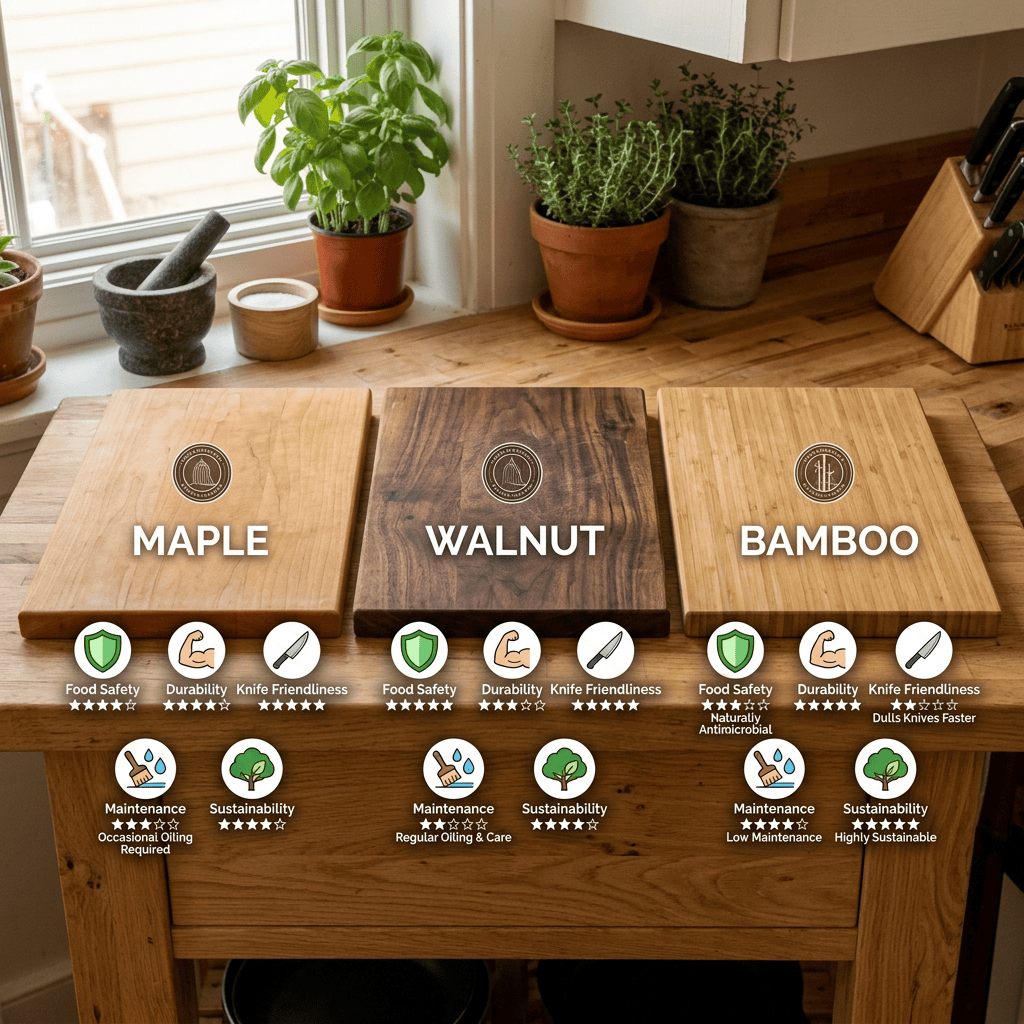
| Maple | Fine, smooth grain | Furniture, cutting boards |
| Walnut | Rich flowing grain | Luxury furniture |
| Cherry | Fine straight grain | Cabinets, fine woodworking |
| Ash | Bold open grain | Sports equipment, furniture |
| Pine | Straight with visible growth rings | Construction, DIY projects |
| Mahogany | Straight to interlocked | High-end furniture, boat building |
Understanding grain patterns in different woods helps buyers balance appearance, performance, and cost.
Takeaway: Species selection and grain pattern should always be considered together.
Common Applications of Softwood in Projects
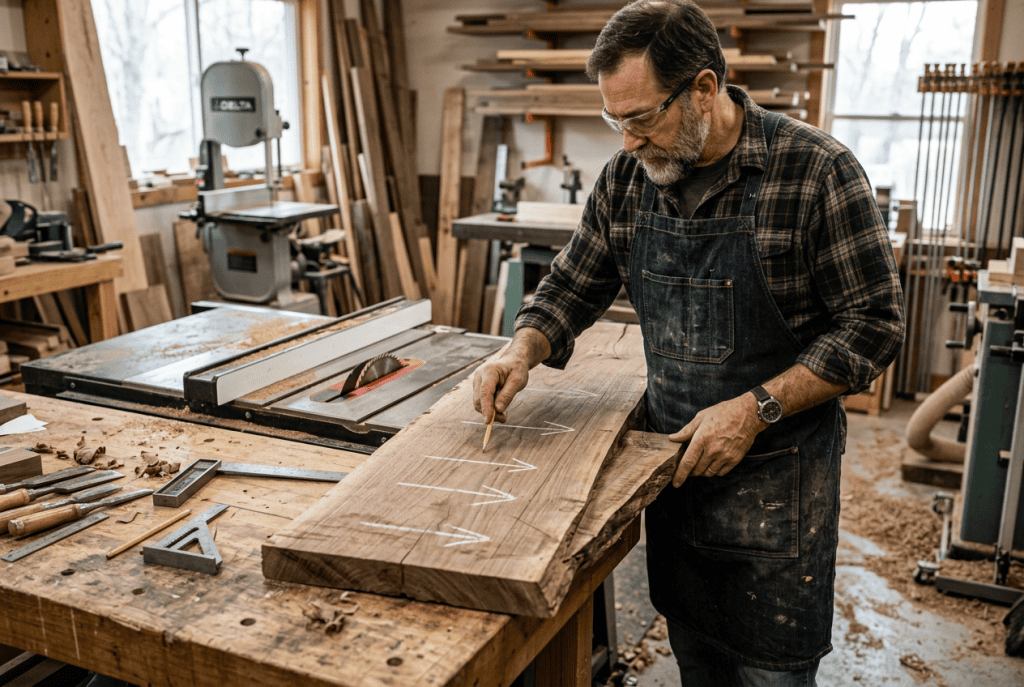
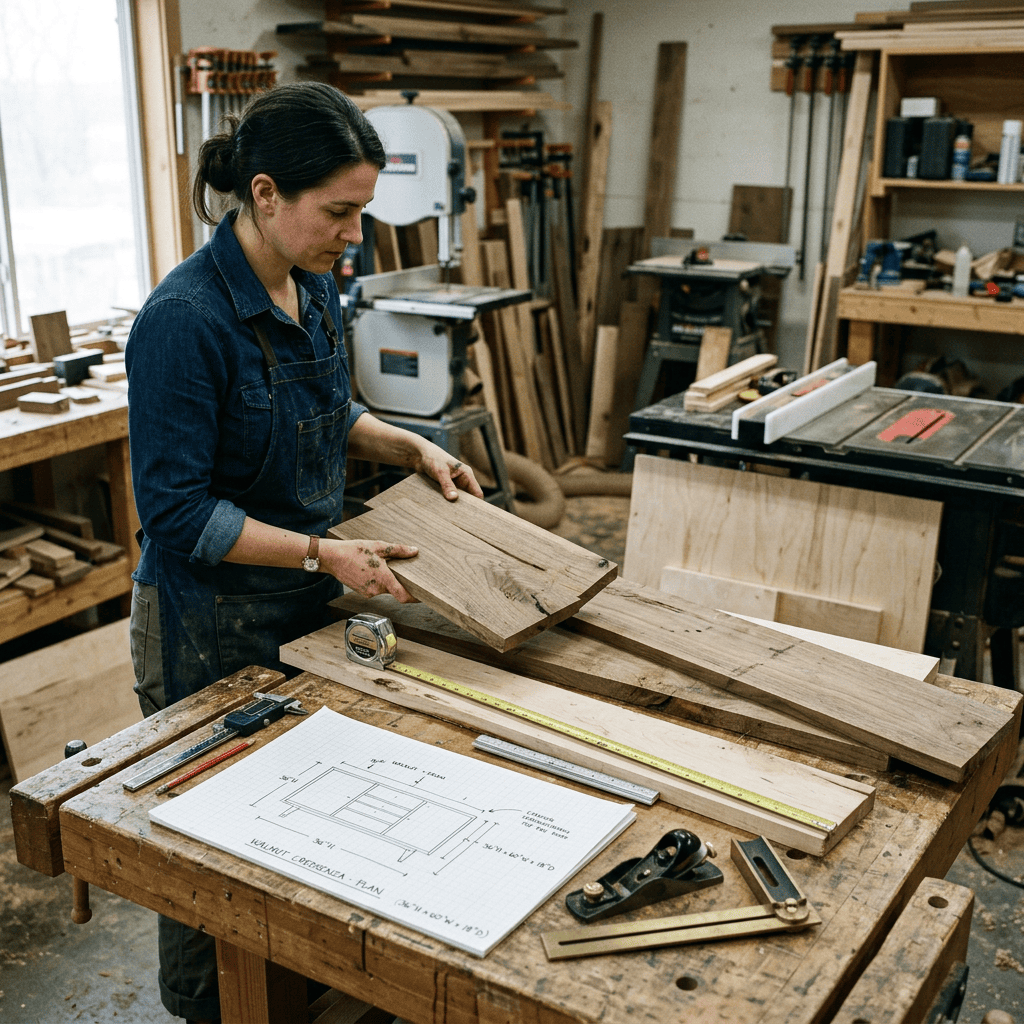
Knowing how to read wood grain is one of the most valuable woodworking skills.
Step 1: Examine the board face
Look for:
- Long parallel lines
- Curved cathedral patterns
- Swirls
- Figure changes
These reveal fiber direction.
Step 2: Inspect the edge
The edge often provides the clearest indication of grain direction.
Step 3: Feel the surface
Running your hand along the grain usually feels smoother than moving against it.
Step 4: Watch machining behavior
When planing:
- Smooth cuts usually follow the grain.
- Rough or torn fibers often indicate cutting against the grain.
Step 5: Observe end grain
Growth rings reveal:
- Quarter-sawn lumber
- Flat-sawn lumber
- Rift-sawn lumber
Each cut produces different visual effects and dimensional stability.
Takeaway: Reading grain before cutting saves time, reduces waste, and improves finished results.
Selecting Between Hardwood and Softwood: What You Need to Know
The effects of grain on woodworking appear throughout every project.
Cutting
Proper cutting direction reduces:
- Splintering
- Tear-out
- Blade resistance
Planing
Always plane “with the grain” whenever possible.
Benefits include:
- Cleaner surfaces
- Less sanding
- Better finish quality
Carving
Carving against grain direction increases:
- Chipping
- Fiber lifting
- Tool resistance
Sanding
Following grain direction prevents visible scratch marks.
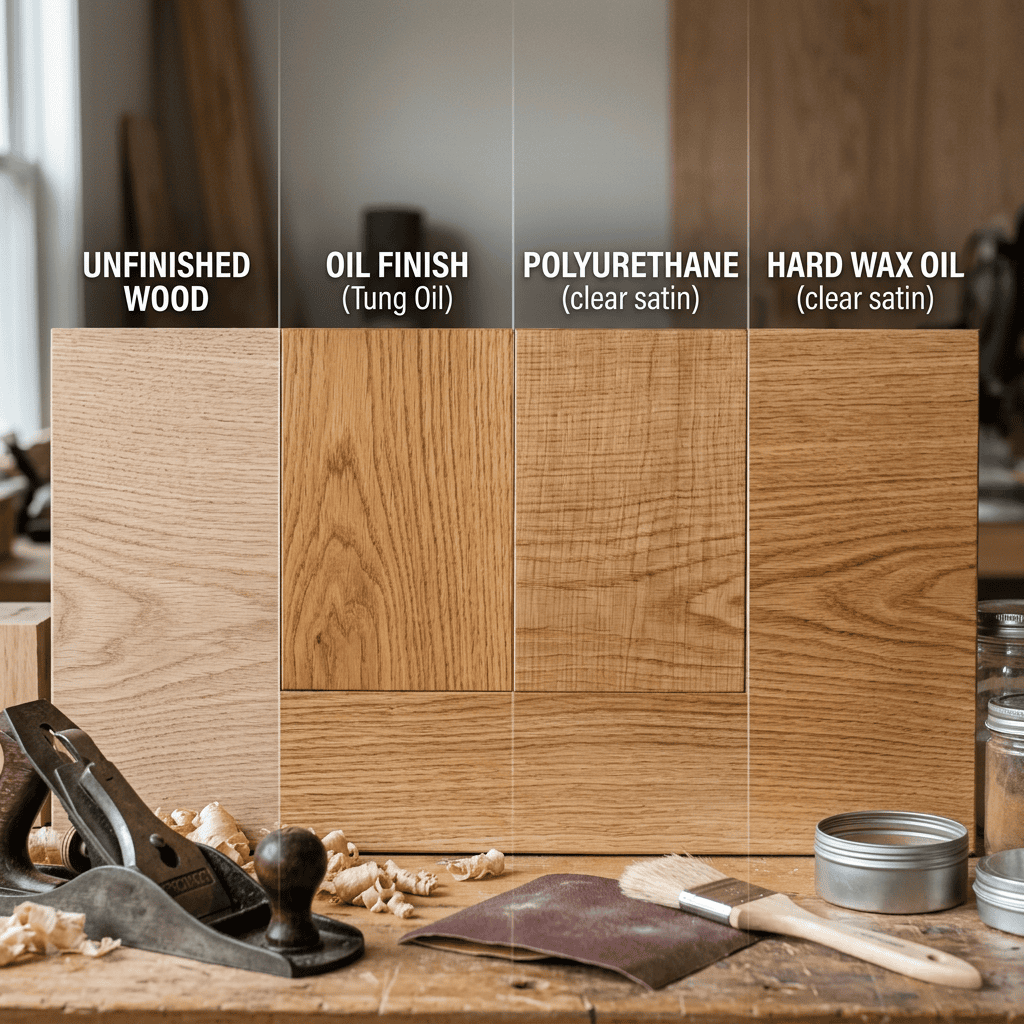
Finishing
Grain influences:
- Stain absorption
- Color consistency
- Finish depth
- Surface texture
Open-grain woods like oak often require grain fillers for glass-smooth finishes.
Takeaway: Grain direction should guide nearly every woodworking technique.
Best Practices for Working with Different Wood Types
Choosing lumber based solely on species is a common mistake.
Instead, consider these factors when selecting wood by grain.
For strength
Choose:
- Straight grain
- Tight annual rings
- Minimal knots
For decorative furniture
Look for:
- Curly grain
- Bird’s eye figure
- Burl figure
- Flame grain
For cabinetry
Prefer:
- Consistent grain
- Color matching
- Stable quarter-sawn boards
4. Visual Characteristics of Different Wood Types
Select grain that balances:
- Wear resistance
- Stability
- Visual consistency
5. Working with Various Wood Types Made Easy
Choose woods with:
- Uniform grain
- Minimal interlocking fibers
Takeaway: Matching grain to project requirements improves both appearance and durability.
Acclimating Different Wood Types for Best Results
Professional woodworkers follow several proven techniques.
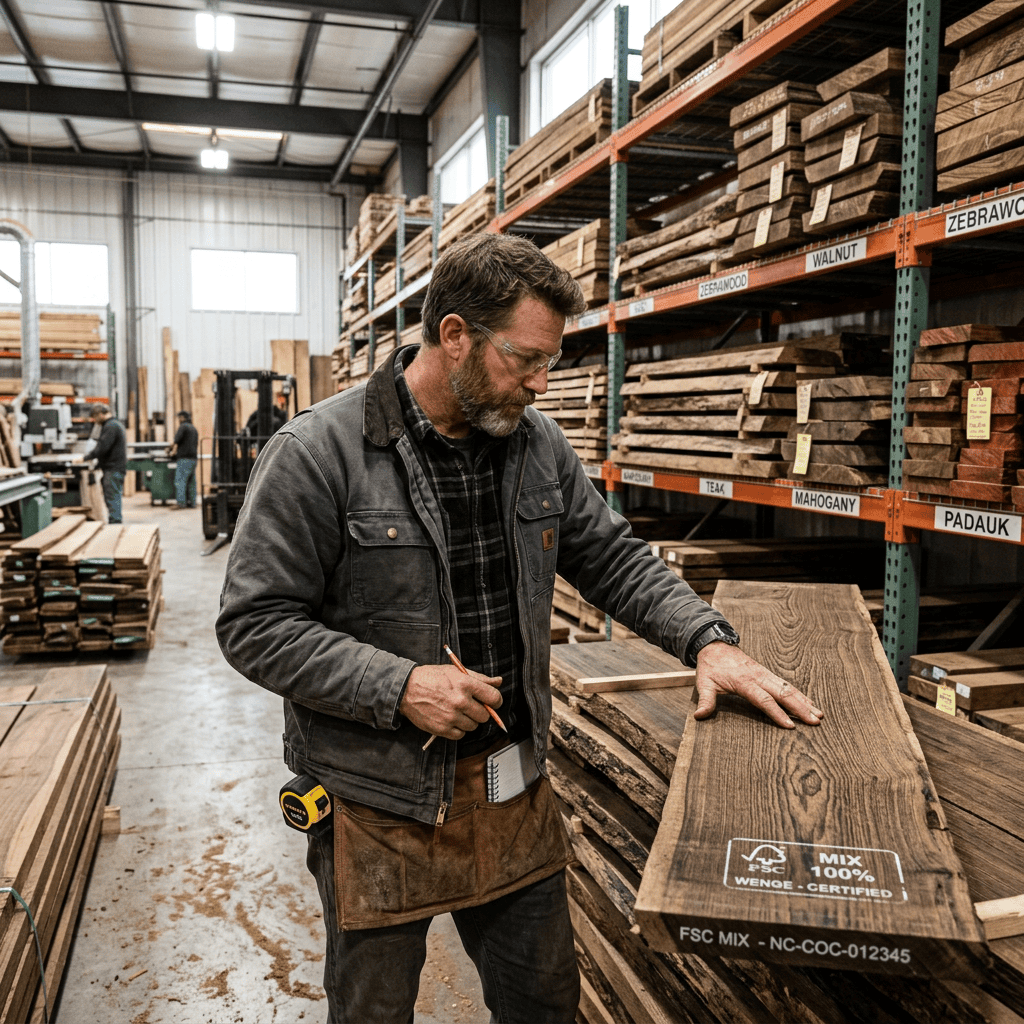
- Inspect every board before cutting.
- Arrange boards for attractive grain flow.
- Plane and sand with the grain.
- Match grain across panels and doors.
- Test stain on scrap pieces first.
- Account for seasonal wood movement.
- Orient structural components with grain for maximum strength.
These habits improve efficiency while reducing costly mistakes.
Takeaway: Good planning around grain produces better craftsmanship with less waste.
Utilizing the Right Tools for Each Wood Type
Avoid these frequent errors.
Sealing and Finishing Techniques for Wood Types
This often causes tear-out during machining.
Selecting the Right Fasteners for Different Wood Types
Appearance should include grain consistency as well.
Proper Lumber Storage Tips for All Wood Types
Expansion across the grain can damage furniture if not accommodated.
Common Myths About Hardwood vs. Softwood
Highly figured grain may reduce predictable strength.
Avoiding Moisture Issues with Different Wood Types
Cross-grain scratches remain visible even after finishing.
Takeaway: Most grain-related problems are preventable with careful inspection and planning.
The Price vs. Quality Debate in Wood Types
Understanding Maintenance Needs Across Wood Types
Straight-grain oak offers stability while maintaining a timeless appearance.
Choosing the Right Wood Type for Fine Workmanship
Walnut with curly grain creates dramatic visual appeal.
Cutting Board
Fine-grained maple provides durability, food safety, and smooth finishing.
strong > Which wood types are optimal for furniture making? / strong >
Quarter-sawn white oak minimizes seasonal movement while showcasing attractive ray flecks.
strong > The best wood types for outdoor projects: A comprehensive guide / strong >
Cherry’s uniform grain makes carving easier and produces a refined finish.
Takeaway: The best grain pattern depends on the project’s functional and visual goals.
strong > Why hardwood types are generally more expensive: An analysis / strong >
strong > Is softwood a viable choice for construction? Exploring wood types / strong >
Yes. Wood is strongest along the grain and weaker across it, making grain direction critical for structural components.
Which grain pattern is easiest to work with?
Straight grain is generally the easiest to cut, plane, sand, and finish.
Why do some boards warp more than others?
Warping often results from grain orientation, moisture changes, and the way the lumber was sawn.
Is figured wood stronger?
Typically, wood types classified as hardwoods are characterized by several key features. They generally exhibit a higher density, which contributes to their durability and strength. The grain patterns in hardwoods are often tight and visually appealing, making them ideal for furniture and decorative applications. Additionally, these woods possess excellent resistance to wear and impact, ensuring they maintain their appearance over time. Their lifespan tends to be longer compared to softwoods, which is an important consideration for any woodworking project.
Why does stain look different on different boards?
On the other hand, softwoods often provide distinct advantages that make them popular among DIY enthusiasts and builders alike. Their lower density means they are lighter and easier to handle during construction or crafting tasks. Additionally, softwoods typically grow faster than hardwoods, resulting in lower costs and greater availability. This affordability makes them an attractive option for projects where budget constraints are a factor. Furthermore, softwoods can be easily machined with standard woodworking tools, making them accessible for beginners.
What is quarter-sawn wood?
When selecting wood for your project, consider how the desired design style should influence your selection of wood types. Different wood species offer unique aesthetics that can complement various styles-from rustic farmhouse designs to modern minimalism. For instance, if you're aiming for a warm and inviting atmosphere, opting for a rich hardwood like cherry or walnut may enhance the overall look of your space. Conversely, if you prefer a more casual feel or are working on a budget-friendly project, lighter softwoods like pine can achieve a charming effect while remaining economical.
Can grain direction affect glue joints?
If you're new to woodworking, softer woods are generally easier to work with due to their malleability and lower density. This makes them an excellent choice for beginners who are learning basic skills such as cutting, sanding, and joining pieces together. As you gain experience and confidence in your techniques, you may want to explore hardwoods that require sharper tools and more advanced methods of handling.
Why This Matters
Hardwoods require sharper tools due to their denser composition; this necessitates using high-quality blades and bits when cutting or shaping the material. Additionally, patience is essential when working with these woods since they often demand more intricate joinery techniques and finishing processes that highlight their natural beauty. With greater experience comes the ability to tackle complex projects that showcase the unique characteristics of various hardwoods.
Takeaway: The best wood selection balances performance, aesthetics, budget considerations, and ease of use tailored specifically for your project requirements. By understanding the attributes of different wood types, you can ensure that your final product not only meets functional needs but also enhances the visual appeal of your work.
Proper handling improves both the quality of your work and the lifespan of the finished product significantly. For instance, using correct storage methods-such as keeping wood in a climate-controlled environment-prevents warping or cracking over time. Additionally, employing appropriate techniques during assembly ensures that joints remain tight and strong throughout the product's life cycle.
FAQ
How do wood grain patterns affect woodworking?
Allow lumber to adjust to the humidity of its environment before installation; this crucial step helps prevent issues like warping or splitting after it's been incorporated into your project. Wood is sensitive to moisture levels in its surroundings; therefore taking time for acclimatization allows it to stabilize properly within its new environment.
What are the main types of wood grain?
This reduces potential complications down the line; ensuring that your finished piece retains its intended shape and structural integrity without unexpected alterations due to environmental factors.
How can I identify wood grain direction?
Hardwood often requires specialized care during machining processes; therefore it is advisable to prepare adequately before beginning any project involving these materials. A thorough understanding of each type's characteristics aids in selecting suitable tools while minimizing potential damage during cutting or shaping phases.
Why is straight grain preferred for furniture?
Straight grain provides excellent strength, predictable machining, improved stability, and easier finishing, making it ideal for many furniture applications.
Does grain affect wood finishing?
Yes. Grain density and pore structure determine how stains, oils, and clear finishes penetrate the wood. Open-grained species often require fillers for a smooth finish.
Final Summary
Wood grain patterns influence far more than a board’s appearance. They determine strength, stability, workability, finishing performance, and long-term durability.
By understanding the types of wood grain, learning how to read wood grain, and considering grain patterns in different woods when selecting lumber, you can make smarter material choices and produce higher-quality woodworking projects.
Whether you’re building fine furniture, designing interiors, or tackling DIY projects, mastering wood grain is a foundational skill that leads to better craftsmanship and more successful results.
For additional technical information about wood grain, wood properties, and lumber selection, visit the USDA Forest Service, the Wood Database, and the USDA Forest Products Laboratory.
Ready to improve your woodworking skills? Discover professional tips, faster techniques, and step-by-step project guidance at: