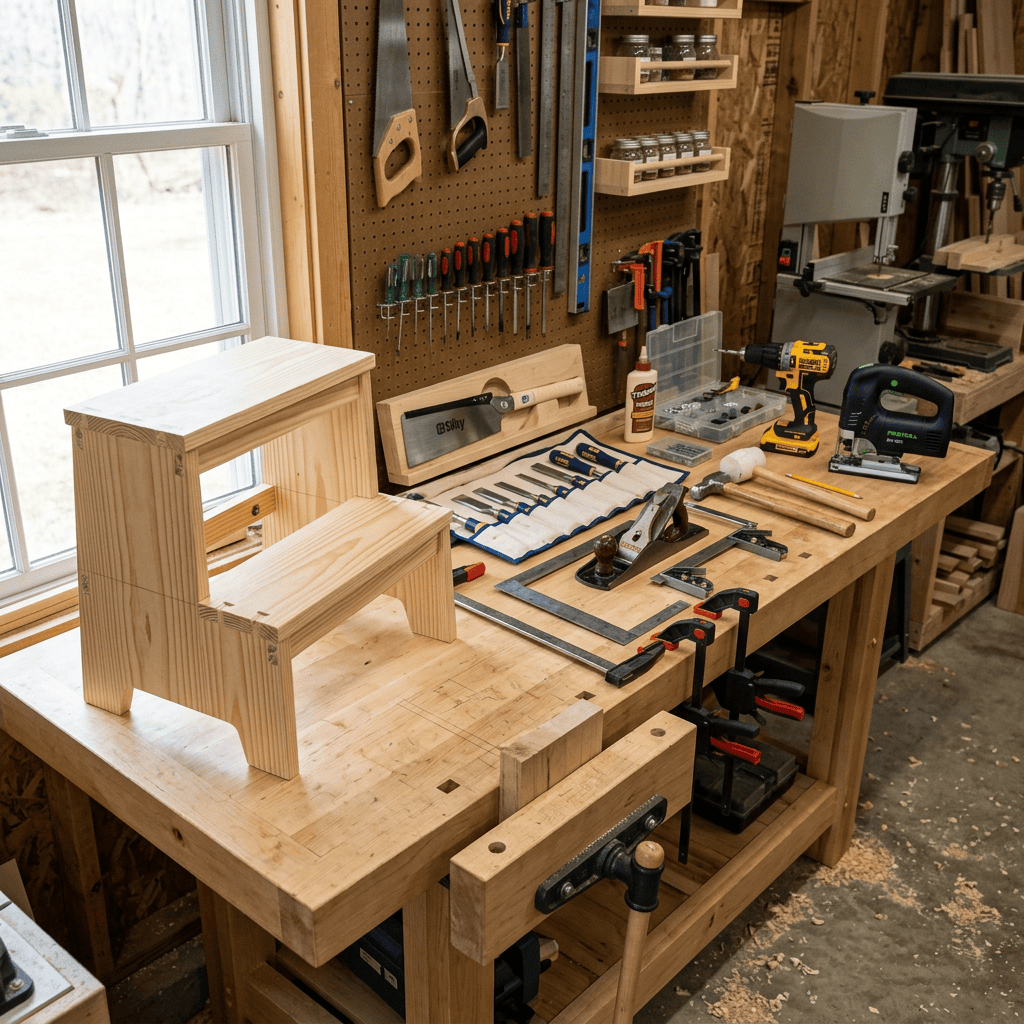
Quick Answer
Beginners can choose quality woodworking tools by focusing on durability, accuracy, safety, comfort, and value instead of buying the largest tool collection available.
Start with essential hand tools, invest in trusted woodworking tool brands, purchase only the tools needed for your first projects, maintain them properly, and upgrade gradually as your skills improve.
Key Takeaways
- Buy quality over quantity to avoid replacing cheap tools later.
- Start with essential hand tools before investing in expensive power tools.
- Choose reputable woodworking tool brands known for reliability and customer support.
- Read woodworking tool reviews from experienced users before purchasing.
- Prioritize woodworking tool safety and proper maintenance from day one.
- Buy tools that match your current projects instead of future ambitions.
- Maintain sharp, clean, and calibrated tools to maximize performance and lifespan.
Beginner’s Guide to Choosing Quality Woodworking Tools
Whether you want to build furniture, create home décor, or complete DIY projects, choosing the right woodworking tools is one of the most important decisions you’ll make.
Good tools make woodworking safer, more accurate, and more enjoyable, while poor-quality tools often create frustration and inconsistent results.
Many beginners assume they need a fully equipped workshop before getting started. In reality, experienced woodworkers recommend building your collection gradually by purchasing high-quality essentials first.
This guide explains how to identify quality woodworking tools, what to buy first, what to avoid, and how to make smart purchasing decisions that save money over time.
What Are Quality Woodworking Tools?
Quality woodworking tools are tools designed to deliver:
- Accurate cuts and measurements
- Long-lasting durability
- Comfortable operation
- Safe performance
- Reliable precision over many years
A quality tool isn’t necessarily the most expensive one. Instead, it consistently performs well while maintaining its accuracy after repeated use.
Characteristics of Quality Woodworking Tools
| Feature | Why It Matters |
|---|---|
| Durable materials | Lasts longer under repeated use |
| Precision manufacturing | Produces accurate results |
| Comfortable handles | Reduces fatigue |
| Replaceable parts | Extends tool life |
| Good warranty | Demonstrates manufacturer confidence |
| Positive reviews | Indicates consistent performance |
Takeaway: Quality comes from reliability, precision, and durability—not simply price.
Why Should Beginners Invest in Quality Woodworking Tools?
Buying inexpensive tools may seem like a smart way to save money, but poorly made tools often create inaccurate cuts, unsafe conditions, and unnecessary frustration.
Quality tools provide several long-term benefits.
Benefits
- Greater cutting accuracy
- Better project results
- Longer lifespan
- Improved safety
- Less maintenance
- Higher resale value
- Better learning experience
A sharp, well-built chisel teaches proper technique. A dull, poorly made chisel teaches bad habits.
Takeaway: Good tools help beginners develop skills faster while reducing mistakes.
What Are the Essential Woodworking Tools for Beginners?
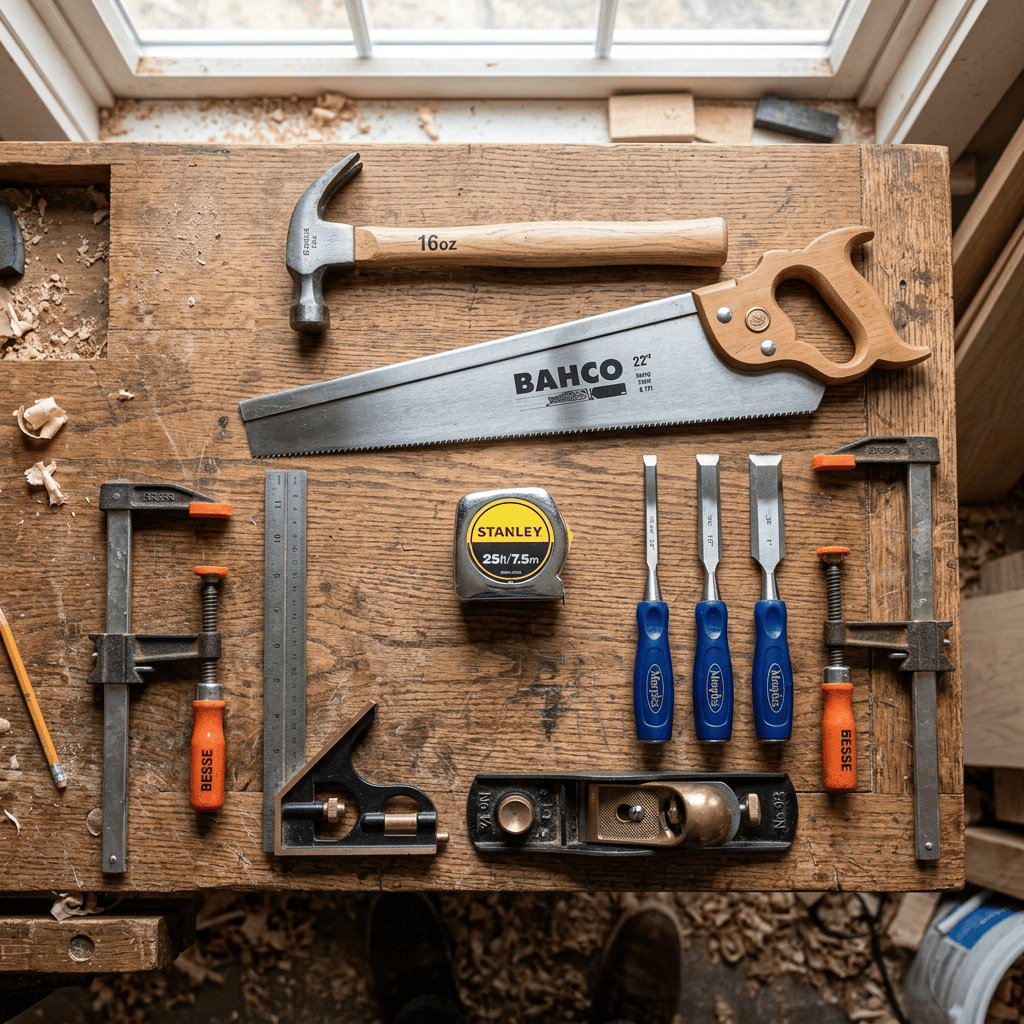
You don’t need every tool available. Instead, build a practical starter toolkit.
Best Hand Tools for Woodworking
Start with these essential woodworking tools:
- Tape measure
- Combination square
- Marking gauge
- Pencil or marking knife
- Claw hammer
- Block plane
- Chisels
- Hand saw
- Coping saw
- Screwdrivers
- Woodworking clamps
- Sanding block
These tools allow beginners to complete many projects without a large investment.
Why Hand Tools Matter
Hand tools teach:
- Precision
- Grain direction
- Wood behavior
- Proper cutting techniques
Many professional woodworkers still rely heavily on hand tools despite owning advanced machinery.
Takeaway: Mastering hand tools builds a strong woodworking foundation.
Which Power Tools Should Beginners Buy First?
Once you’ve gained confidence with hand tools, adding a few power tools increases efficiency.
Recommended Power Tools for Woodworking
1. Cordless Drill
Useful for:
- Drilling holes
- Driving screws
- Installing hardware
2. Random Orbital Sander
Provides smooth finishes quickly while reducing visible sanding marks.
3. Circular Saw
Ideal for:
- Breaking down plywood
- Straight cuts
- DIY construction
4. Jigsaw
Perfect for:
- Curves
- Decorative cuts
- Small projects
5. Router (Intermediate)
Useful after gaining experience for:
- Edge profiles
- Joinery
- Decorative details
Many beginners feel pressured to buy a table saw immediately. While it’s an excellent tool, it isn’t required for learning basic woodworking.
Takeaway: Buy power tools based on the projects you plan to build—not on someone else’s workshop.
How Can You Identify High-Quality Woodworking Tools?
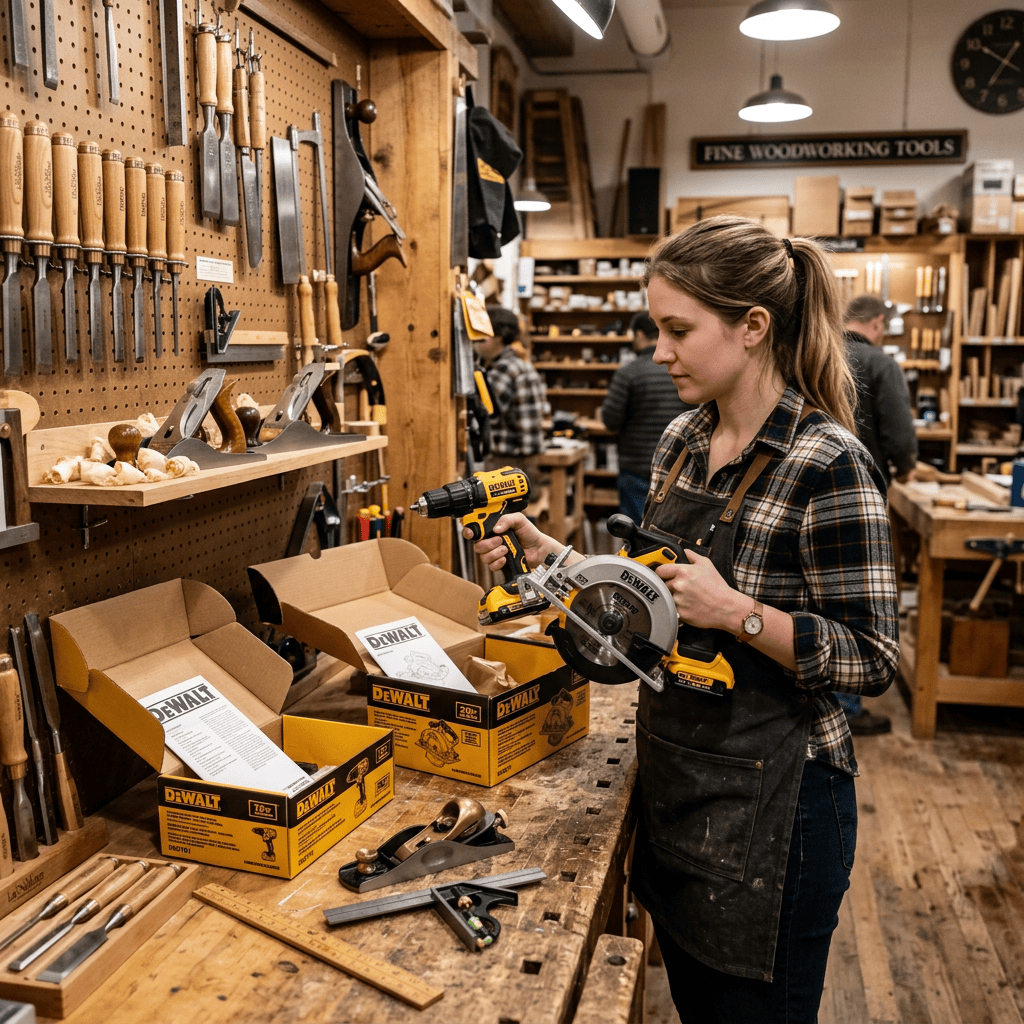
Several indicators separate premium tools from poor-quality alternatives.
Check the Materials
Quality tools often feature:
- Hardened steel
- Cast iron
- Solid brass components
- Hardwood handles
- Aluminum precision parts
Avoid excessive plastic in structural components.
Examine Build Quality
Look for:
- Smooth machining
- Tight tolerances
- Clean finishes
- No loose parts
- Comfortable grips
Evaluate Precision
Accurate woodworking depends on accurate tools.
Check whether:
- Squares are truly square.
- Guides adjust smoothly.
- Measurements are easy to read.
- Blades remain aligned.
Review the Warranty
Manufacturers offering long warranties usually have confidence in their products.
Takeaway: Examine construction quality before focusing on price.
Which Woodworking Tool Brands Are Trusted?
Many reputable woodworking tool brands consistently produce dependable products.
Popular Hand Tool Brands
- Stanley
- Irwin
- Veritas
- Lie-Nielsen
- Narex
- Bahco
Popular Power Tool Brands
- DeWalt
- Makita
- Bosch
- Milwaukee
- Festool
- Ridgid
Each brand offers products across different price ranges. Beginners don’t always need premium professional models, but buying from established manufacturers generally provides better quality, replacement parts, and customer support.
Takeaway: Choose trusted brands with proven reputations instead of unfamiliar low-cost alternatives.
How Should Beginners Read Woodworking Tool Reviews?
Not every review provides useful information.
Focus on reviews discussing:
- Long-term durability
- Accuracy
- Ease of use
- Customer service
- Warranty claims
- Replacement part availability
Ignore reviews based solely on shipping speed or packaging.
Professional woodworking publications, experienced YouTube educators, and respected woodworking communities often provide more balanced evaluations than anonymous online ratings.
Takeaway: Look for reviews that evaluate real performance over time.
What Should You Consider Before Buying Woodworking Tools?
Before buying woodworking tools, ask yourself several practical questions.
1. What Projects Will You Build?
Different projects require different tools.
For example:
- Furniture
- Cabinets
- Shelving
- Outdoor projects
- Woodturning
Buy tools that directly support your current goals.
2. How Often Will You Use Them?
Occasional DIY users may not need professional-grade equipment.
Frequent hobbyists often benefit from investing in higher-quality tools.
3. Is the Tool Comfortable?
Comfort affects:
- Accuracy
- Fatigue
- Safety
Whenever possible, hold the tool before purchasing.
4. Can It Be Maintained?
Quality tools should allow:
- Blade replacement
- Sharpening
- Calibration
- Cleaning
Disposable tools rarely provide long-term value.
Takeaway: Match each purchase to your woodworking goals and expected usage.
Common Mistakes Beginners Make When Buying Woodworking Tools
Avoid these frequent mistakes.
Buying Too Many Tools
Start small.
You can complete many projects using a surprisingly modest collection.
Choosing Price Over Quality
The cheapest option often becomes the most expensive after replacement.
Ignoring Safety Features
Look for:
- Blade guards
- Electric brakes
- Dust collection
- Stable bases
- Anti-kickback features
Skipping Research
Even a few minutes spent reading woodworking tool reviews can prevent costly mistakes.
Buying Specialized Tools Too Early
Master general-purpose tools before purchasing highly specialized equipment.
Takeaway: A focused, thoughtful buying strategy produces better results than impulsive purchases.
Why Is Woodworking Tool Safety So Important?
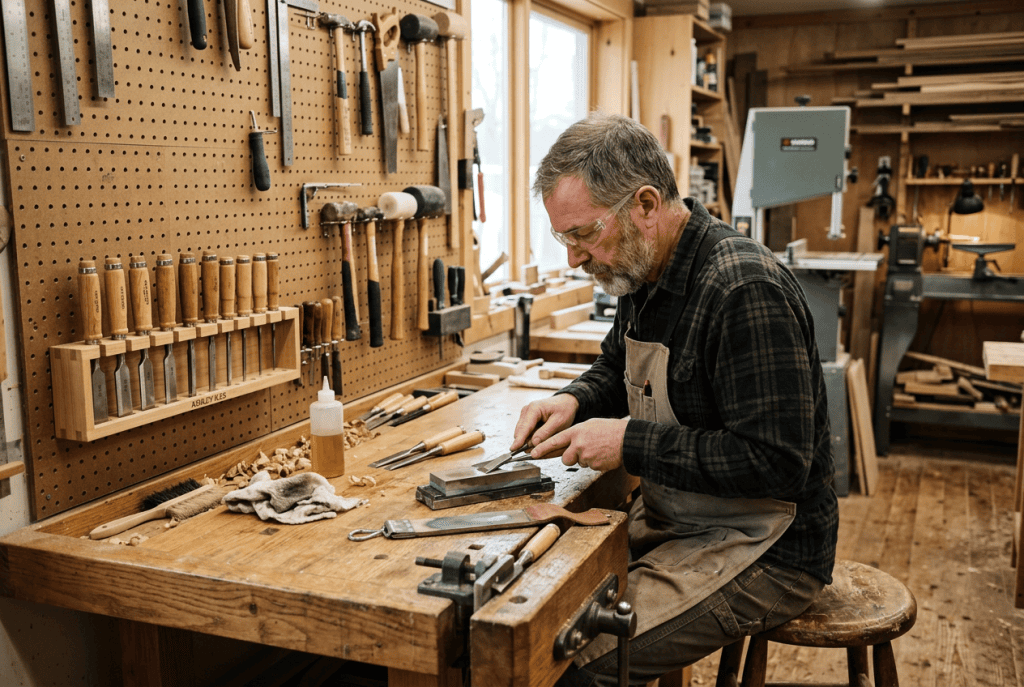
Safety should always be your highest priority.
Follow these best practices:
- Wear eye protection.
- Use hearing protection with power tools.
- Wear a dust mask or respirator when needed.
- Keep blades sharp.
- Never remove safety guards.
- Secure workpieces with clamps.
- Read manufacturer instructions.
- Disconnect power before changing blades or bits.
Most woodworking injuries are preventable through proper training and safe habits.
Takeaway: Safe woodworking begins with safe tool selection and responsible use.
How Does Tool Maintenance Extend Tool Life?
Proper tool maintenance protects your investment and improves performance.
Basic Maintenance Checklist
- Clean tools after use.
- Remove sawdust.
- Oil moving parts.
- Protect metal from rust.
- Sharpen blades regularly.
- Check alignment.
- Store tools in a dry environment.
- Replace worn components promptly.
Sharp tools are safer because they require less force and provide greater control.
Takeaway: Regular maintenance improves accuracy, safety, and longevity.
Common Questions About Choosing Quality Woodworking Tools
Is it better to buy expensive woodworking tools?
Not always. Mid-range tools from reputable manufacturers often provide the best balance of quality, performance, and affordability for beginners.
Should beginners buy used woodworking tools?
Yes, if the tools remain in good condition and can be inspected for wear, rust, cracks, and accuracy before purchase.
Are cordless power tools better than corded tools?
Cordless tools offer convenience and portability, while corded tools generally provide continuous power for extended use. The best choice depends on your projects.
How many woodworking tools do beginners need?
A basic collection of essential hand tools and two or three versatile power tools is enough to complete many beginner projects.
Which tool should beginners upgrade first?
Most woodworkers benefit from upgrading measuring tools, chisels, and drills first because these tools directly influence accuracy and daily workflow.
Can cheap tools damage woodworking projects?
Yes. Poorly made tools can create inaccurate cuts, rough finishes, and unsafe working conditions.
Is brand reputation important?
Yes. Established woodworking tool brands usually provide better quality control, replacement parts, warranties, and customer support.
Why This Matters
Choosing quality woodworking tools is about more than owning better equipment—it shapes your learning experience, safety, and confidence.
Reliable tools produce predictable results, allowing you to focus on improving technique rather than compensating for inaccurate equipment.
Over time, thoughtful purchases reduce waste, lower replacement costs, and make every project more enjoyable.
Building a collection slowly, based on your actual needs, creates a workshop that grows with your skills rather than overwhelming your budget.
FAQ
How can beginners choose quality woodworking tools effectively?
Beginners should prioritize durable, accurate, and comfortable tools from trusted brands. Start with essential hand tools, purchase only what current projects require, read reliable reviews, and expand your collection gradually as your skills develop.
What are the most essential woodworking tools for beginners?
Essential woodworking tools include a tape measure, combination square, chisels, hand saw, block plane, hammer, clamps, screwdrivers, cordless drill, random orbital sander, and circular saw for basic cutting and assembly.
Which woodworking tool brands are best for beginners?
Reliable brands include Stanley, Irwin, Narex, Veritas, DeWalt, Bosch, Makita, Milwaukee, Ridgid, and Festool. Choose products that fit your budget while offering dependable performance, warranties, and replacement parts.
Why is woodworking tool maintenance important?
Proper maintenance keeps tools sharp, accurate, and safe. Cleaning, lubricating, sharpening, and storing tools correctly extends their lifespan, improves performance, and reduces the risk of accidents caused by dull or damaged equipment.
Should beginners buy hand tools or power tools first?
Most beginners should begin with quality hand tools to learn core woodworking skills, then add versatile power tools such as a cordless drill, circular saw, and orbital sander as projects become more advanced.
Final Summary
Beginners can choose quality woodworking tools effectively by focusing on durability, precision, safety, and long-term value rather than buying the cheapest or most extensive collection available.
Start with essential woodworking tools, invest in trusted woodworking tool brands, consult reliable woodworking tool reviews, and prioritize woodworking tool safety and tool maintenance for woodworkers.
By purchasing tools that match your current projects and upgrading thoughtfully over time, you’ll build a dependable workshop, improve your craftsmanship, and enjoy woodworking for years to come.
For additional guidance on woodworking safety, tool selection, and best practices, consult trusted industry resources such as the WOOD Magazine, the Fine Woodworking, and the U.S. Consumer Product Safety Commission (CPSC) for reliable safety recommendations.
Ready to build your workshop with confidence? Discover the shortcuts, tool recommendations, and beginner-friendly woodworking plans you need to get started today.