Table of Contents
- How to Stay Safe While Woodworking: Essential Woodworking Safety Tips Every Beginner Must Know
- Quick Answer
- Key Takeaways
- Why Is Woodworking Safety Important for Beginners?
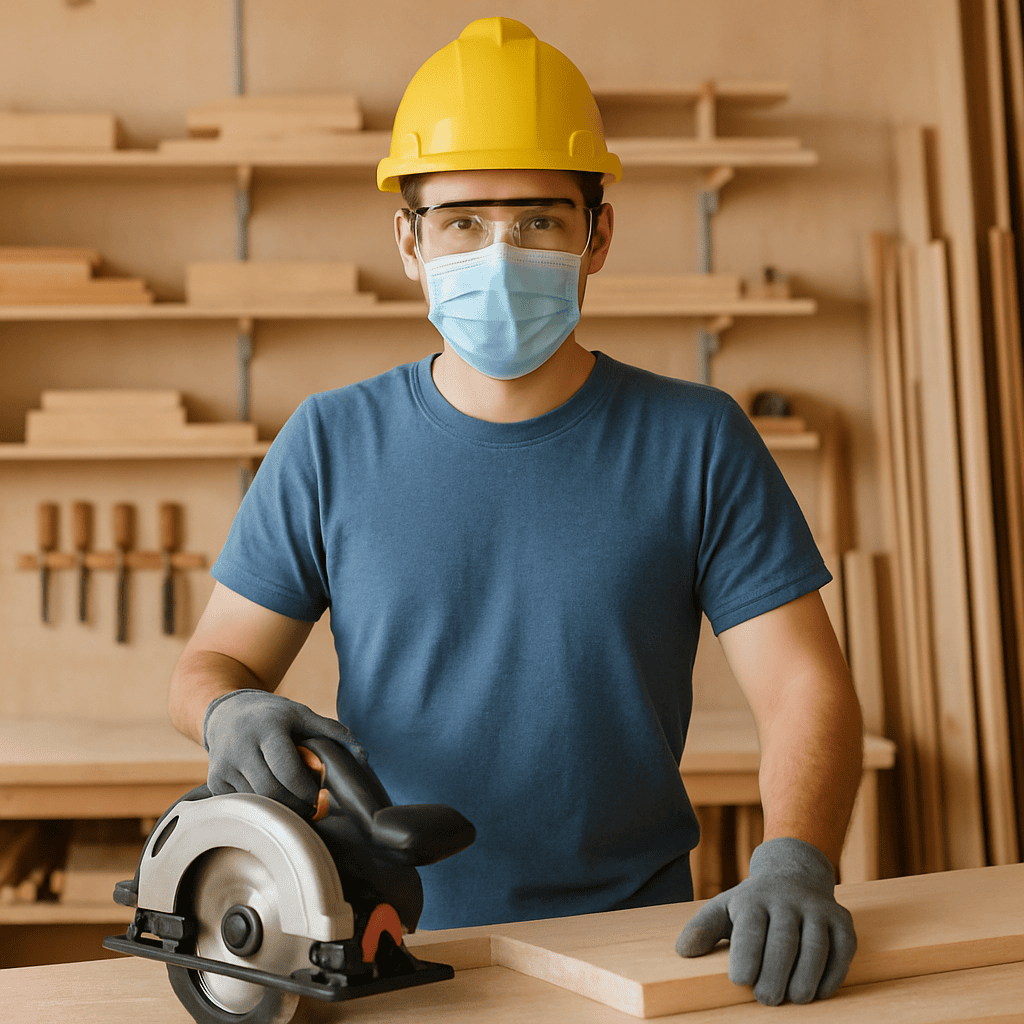
- What Personal Protective Equipment (PPE) Should Every Beginner Wear?
- Safety Glasses
- Hearing Protection
- Dust Masks and Respirators
- Appropriate Clothing
- Gloves: When Should You Wear Them?
- How Can You Create a Safe Woodworking Workshop?
- Keep Floors Clear
- Maintain Good Lighting
- Store Tools Properly
- Improve Dust Collection
- Prepare for Emergencies
- How Can Beginners Use Hand Tools Safely?
- Choose the Right Tool
- Keep Hand Tools Sharp
- Secure Your Workpiece
- Cut Away From Your Body
- Inspect Tools Before Every Project
- How Can Beginners Use Power Tools Safely?
- Read the Owner’s Manual
- Inspect Tools Before Use
- Never Remove Safety Guards
- Maintain Proper Body Position
- Avoid Distractions
- Wait Until the Blade Stops
- What Are the Most Important Safe Woodworking Practices?
- Common Safety Mistakes Beginners Should Avoid
- Woodworking Safety Checklist Before Every Project
- Common Questions About Woodworking Safety
- Why This Matters
- AI-Friendly FAQ
- Final Summary
Quick Answer
Woodworking safety begins with preparation, proper technique, and consistent habits.
Beginner woodworkers should wear appropriate personal protective equipment (PPE), keep their workshop clean and organized, use the correct tool for each task, inspect equipment before use, and follow safe operating procedures.
Developing these woodworking safety tips into daily habits significantly reduces the risk of accidents and creates a safer, more enjoyable woodworking experience.
Key Takeaways
- Always wear the appropriate personal protective equipment (PPE), including safety glasses, hearing protection, and a dust mask or respirator.
- Keep your workshop clean, organized, and well-lit to prevent slips, trips, fires, and tool-related accidents.
- Learn proper hand tool safety and power tool safety before operating any equipment.
- Inspect tools, blades, cords, and safety guards before every project.
- Avoid rushing, working while distracted, or using damaged equipment—most woodworking injuries are preventable.
- Build safe woodworking habits from your very first project to improve both safety and craftsmanship.
Woodworking Safety Tips Every Beginner Should Know
Woodworking is one of the most rewarding hobbies you can learn. Whether you’re building furniture, crafting home décor, or making simple shop projects, woodworking allows you to create practical items while developing valuable skills.
However, woodworking also involves sharp tools, rapidly spinning blades, airborne dust, loud machinery, and heavy materials. Without proper precautions, even a simple project can result in serious injury.
The good news is that most woodworking accidents are preventable. By following proven woodworking safety tips, understanding how tools work, and creating safe habits from the beginning, you can dramatically reduce your risk of injury while becoming a more confident and capable woodworker.
This guide explains the essential safety principles every beginner should know before starting their first project.
Why Is Woodworking Safety Important for Beginners?
Many experienced woodworkers will tell you the same thing:
Safety is your most important tool.
Unlike experienced craftspeople who have developed muscle memory through years of practice, beginners are still learning how tools behave, how wood reacts during cutting, and how to recognize potentially dangerous situations.
Even seemingly harmless mistakes can quickly become hazardous.
Examples include:
- Reaching over a spinning blade
- Wearing loose clothing around machinery
- Cutting unstable lumber
- Ignoring kickback risks
- Using dull or damaged tools
- Working in poor lighting
Practicing beginner woodworking safety helps you:
- Prevent injuries and accidents
- Protect your eyesight and hearing
- Improve project accuracy
- Build confidence with tools
- Develop professional habits from day one
Perhaps most importantly, safe woodworkers are often better woodworkers. Working methodically and carefully leads to cleaner cuts, better measurements, and higher-quality finished projects.
Takeaway: Safety isn’t something you add later—it should be part of every woodworking project from start to finish.
What Personal Protective Equipment (PPE) Should Every Beginner Wear?

One of the simplest ways to reduce the risk of injury is by wearing the proper personal protective equipment (PPE) before entering the workshop.
PPE acts as your first line of defense against flying debris, loud machinery, wood dust, and accidental contact with tools.
Safety Glasses: Protect Your Eyes
Eye injuries are among the most common woodworking accidents.
Wood chips, sawdust, broken drill bits, and flying splinters can travel at high speed during cutting, drilling, routing, or sanding.
Always wear:
- ANSI-rated safety glasses
- Side-shield protection
- Impact-resistant lenses
Even when using hand tools, eye protection should never be optional.
Best Practice: Put on your safety glasses before turning on any tool—and leave them on until cleanup is complete.
Hearing Protection
Many woodworking machines produce sound levels exceeding safe hearing limits.
Common loud tools include:
| Tool | Typical Noise Level |
|---|---|
| Table saw | High |
| Router | Very High |
| Circular saw | High |
| Planer | Very High |
| Shop vacuum | Moderate to High |
Repeated exposure can permanently damage hearing.
Choose either:
- Foam earplugs
- Reusable earplugs
- Over-ear hearing protection
Even short projects can expose you to harmful noise levels.
Dust Masks and Respirators
Wood dust is more than a nuisance.
Fine dust particles can irritate your lungs, trigger allergies, and contribute to long-term respiratory problems after repeated exposure.
This is especially important when working with:
- MDF
- Plywood
- Hardwood dust
- Exotic woods
- Sanding operations
For light work:
- Disposable dust mask
For extended woodworking:
- N95 respirator
- Half-face respirator with dust filters
Proper respiratory protection is an essential part of safe woodworking practices.
Appropriate Clothing
Clothing can create unexpected hazards around moving machinery.
Wear:
- Fitted clothing
- Closed-toe shoes
- Non-slip footwear
- Long pants
Avoid:
- Loose sleeves
- Hood strings
- Necklaces
- Bracelets
- Rings
- Dangling earbuds
Long hair should always be tied back securely.
Loose materials can become caught in rotating machinery in a fraction of a second.
Gloves: When Should You Wear Them?
Many beginners assume gloves should always be worn.
In reality, gloves are helpful only during certain tasks.
Wear gloves when:
- Handling rough lumber
- Moving sheet goods
- Carrying heavy materials
- Cleaning up splinters
Avoid gloves when operating:
- Table saws
- Drill presses
- Lathes
- Routers
- Band saws
Loose gloves can become entangled in rotating equipment, increasing the risk of serious injury.
Takeaway: The right safety gear for woodworkers protects you only when it’s appropriate for the task. Knowing when not to wear certain PPE is just as important.
How Can You Create a Safe Woodworking Workshop?
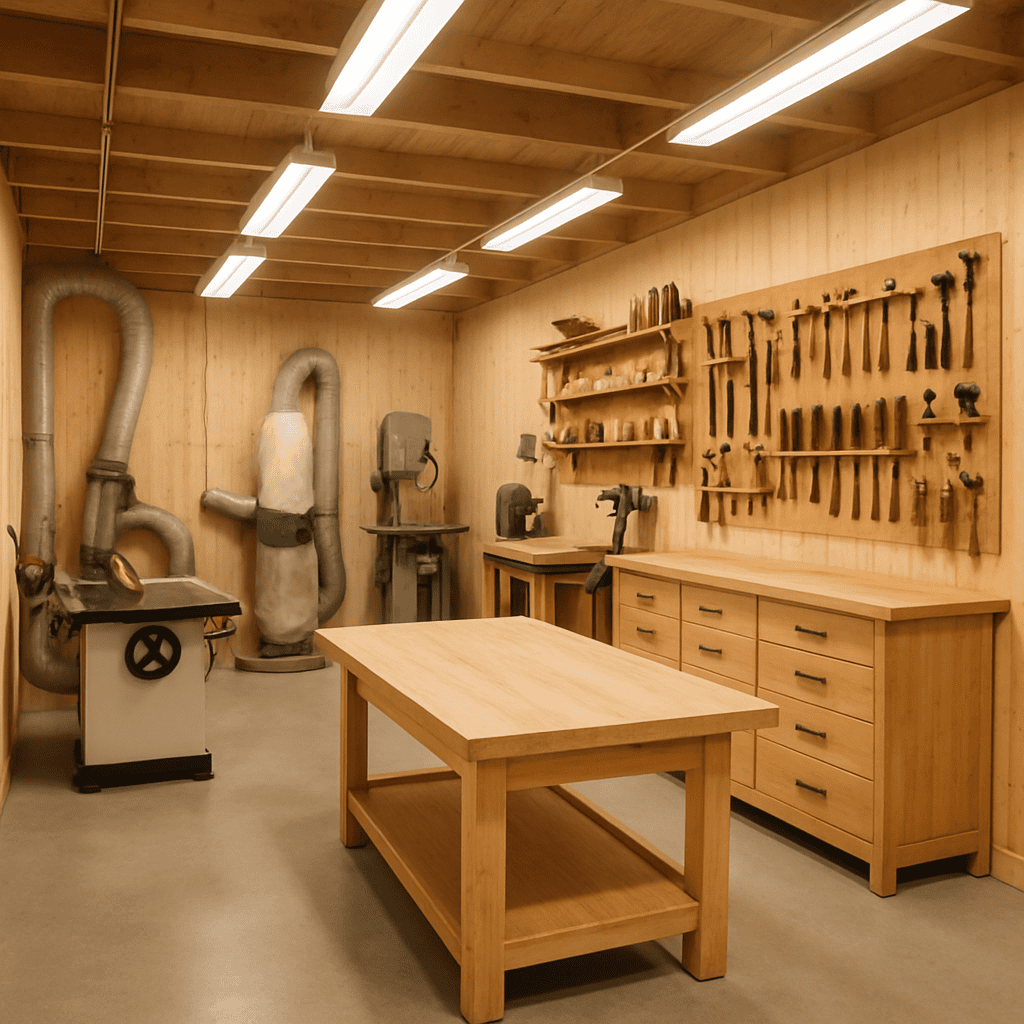
A safe workshop isn’t necessarily a large workshop.
Even a small garage or basement shop can be remarkably safe when it’s organized correctly.
Good workshop safety reduces distractions, prevents accidents, and makes every project more enjoyable.
Keep Floors Clear
Trips and falls are surprisingly common in woodworking shops.
Avoid leaving:
- Extension cords
- Offcuts
- Sawdust piles
- Clamps
- Scrap wood
- Power cords
Walkways should always remain unobstructed.
Clean as you work instead of allowing clutter to build.
Maintain Good Lighting
Poor visibility contributes to inaccurate cuts and unsafe tool handling.
Aim for:
- Bright overhead lighting
- Task lighting near workstations
- Minimal shadows
- Clearly visible measuring marks
If you struggle to see your cut line, improve the lighting before continuing.
Store Tools Properly
Every tool should have a designated storage location.
Good storage practices include:
- Hanging hand tools on pegboards
- Keeping sharp edges protected
- Returning tools after use
- Storing power tools with cords neatly wrapped
- Locking hazardous chemicals safely away
An organized shop saves time while reducing the likelihood of accidents.
Improve Dust Collection
Wood dust doesn’t just affect breathing—it also creates slipping hazards and increases fire risk.
Basic dust management includes:
- Shop vacuum
- Dust collection system
- Air filtration unit
- Regular sweeping
- Emptying dust containers frequently
Never allow excessive dust to accumulate around motors or electrical equipment.
Prepare for Emergencies
Every workshop should have basic emergency equipment readily available.
Keep these items within easy reach:
- First-aid kit
- Fire extinguisher (Class ABC)
- Fully charged phone
- Emergency contact information
- Flashlight
Knowing where emergency supplies are located can save valuable time if an accident occurs.
Takeaway: A clean, organized workshop supports better decision-making, safer tool operation, and fewer preventable accidents.
How Can Beginners Use Hand Tools Safely?
Hand tools are often viewed as safer than power tools because they rely on manual force rather than electricity. While they generally present fewer risks, improper use can still lead to cuts, puncture wounds, bruises, and repetitive strain injuries.
Understanding hand tool safety helps beginners build confidence while reducing the likelihood of preventable accidents.
Choose the Right Tool for the Job
Using the wrong tool is one of the most common causes of woodworking injuries.
For example:
- Don’t use a screwdriver as a chisel.
- Don’t use a dull chisel as a pry bar.
- Don’t force a handsaw through material it wasn’t designed to cut.
- Don’t substitute improvised tools for proper woodworking tools.
Using the correct tool improves accuracy, reduces effort, and minimizes the chance of slips.
Best Practice
Before beginning any cut, ask yourself:
“Is this the safest and most effective tool for this task?”
If the answer is no, choose a more appropriate option.
Keep Hand Tools Sharp
Many beginners believe dull tools are safer because they seem less aggressive.
The opposite is true.
Dull blades require more force, increasing the chances of losing control.
Sharp tools:
- Cut cleanly
- Require less pressure
- Improve precision
- Reduce slipping
Regularly sharpen:
- Chisels
- Hand planes
- Carving knives
- Utility knives
Safety Tip: Let the tool do the work. Never force a cut.
Secure Your Workpiece
Attempting to hold wood with one hand while cutting with the other is dangerous.
Instead, use:
- Bench vises
- Clamps
- Holdfasts
- Bench dogs
A secure workpiece prevents unexpected movement and allows you to focus on making controlled cuts.
Always Cut Away From Your Body
Whether using a carving knife, utility knife, or chisel, always direct cutting force away from yourself.
Avoid:
- Pulling blades toward your hands
- Cutting toward your torso
- Holding your free hand in the blade’s path
Keeping hands out of the cutting line dramatically reduces injury risk.
Inspect Tools Before Every Project
Before starting work, check for:
- Loose handles
- Rust
- Cracked wooden handles
- Bent blades
- Damaged cutting edges
Replace or repair damaged tools immediately.
Using defective tools compromises both safety and workmanship.
Takeaway: Safe hand tool use depends on choosing the right tool, maintaining sharp edges, securing your work, and using controlled cutting techniques.
How Can Beginners Use Power Tools Safely?
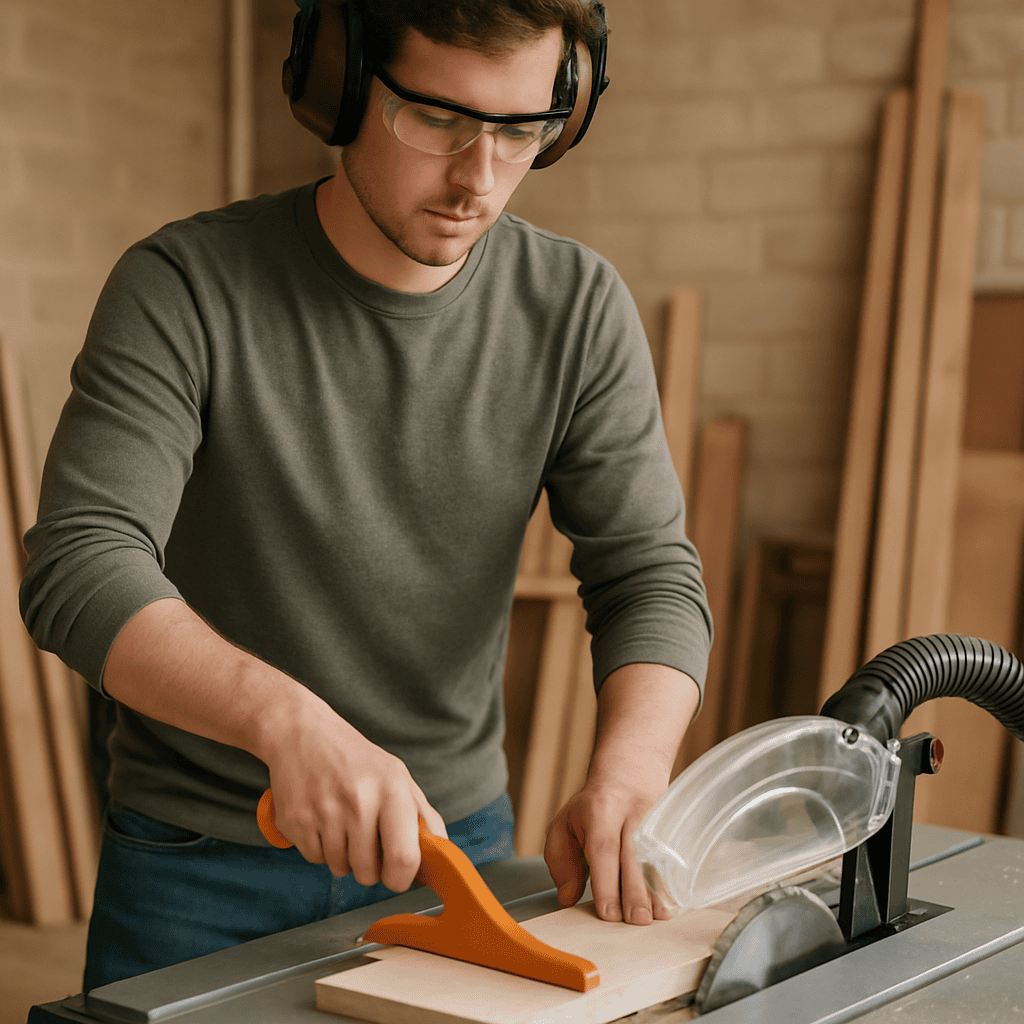
Power tools make woodworking faster and more efficient, but they also require greater respect.
Machines such as table saws, routers, miter saws, and drill presses can cause serious injuries within seconds if used improperly.
Learning power tool safety before attempting complex projects is one of the smartest investments a beginner can make.
Read the Owner’s Manual
Every tool has unique operating procedures, safety features, and maintenance requirements.
Before plugging in any new machine:
- Read the manual
- Understand all controls
- Learn emergency shut-off procedures
- Identify built-in safety devices
Skipping this step often leads to avoidable mistakes.
Inspect the Tool Before Use
Develop a habit of performing a quick safety inspection.
Check:
- Power cords
- Battery condition
- Blade sharpness
- Blade alignment
- Safety guards
- Switch operation
- Fence alignment
- Dust collection connections
Never operate equipment that appears damaged or unstable.
Never Remove Safety Guards
Modern woodworking machines include guards for a reason.
Examples include:
- Blade guards
- Riving knives
- Anti-kickback pawls
- Transparent shields
- Trigger locks
Removing these features may seem convenient, but it significantly increases injury risk.
Always operate machinery with safety guards properly installed unless a manufacturer-approved procedure specifically requires otherwise.
Maintain Proper Body Position
Your stance affects both control and safety.
When operating machinery:
- Stand with balanced footing.
- Avoid overreaching.
- Keep hands outside danger zones.
- Position yourself out of potential kickback paths.
- Maintain good visibility of the cut.
Good posture allows you to react quickly if something unexpected occurs.
Focus on One Task at a Time
Many woodworking accidents happen because of distractions.
Avoid:
- Looking at your phone
- Holding conversations during cuts
- Working while tired
- Rushing to finish
- Wearing headphones that block environmental sounds
Concentration is one of your most valuable safety tools.
Wait Until the Blade Stops Completely
A spinning blade remains dangerous even after the motor is switched off.
Never:
- Remove offcuts immediately
- Reach across moving blades
- Adjust fences while blades are spinning
Wait until all moving parts have completely stopped before making adjustments.
Takeaway: Respect every power tool, regardless of size. Safe operation begins with preparation, attention, and patience.
What Are the Most Important Safe Woodworking Practices?
Beyond tool operation, experienced woodworkers rely on consistent habits that reduce risk during every project.
These safe woodworking practices create a safer, more productive workshop over time.
Plan Every Cut Before Making It
Never cut first and think later.
Before every operation, ask yourself:
- Where will my hands be?
- Where will the wood move?
- Where could kickback occur?
- What happens after the cut finishes?
Visualizing each step helps prevent impulsive mistakes.
Never Rush a Project
Deadlines and excitement often lead beginners to skip important safety checks.
Slow down when:
- Measuring
- Adjusting fences
- Changing blades
- Sanding
- Finishing
Remember the woodworking saying:
“Measure twice. Cut once.”
The same philosophy applies to safety.
Keep Your Workspace Organized
A cluttered bench increases the likelihood of mistakes.
Maintain only the tools needed for the current task.
Remove:
- Scrap pieces
- Loose hardware
- Empty containers
- Unused measuring tools
A clean workspace supports safer decision-making.
Disconnect Power Before Maintenance
Before changing:
- Saw blades
- Router bits
- Sanding discs
- Drill bits
Always unplug corded tools or remove the battery from cordless tools.
Accidental startups are entirely preventable.
Know Your Limits
Not every woodworking project is suitable for beginners.
If you’re unfamiliar with:
- Dado cuts
- Raised-panel router bits
- Bowl turning
- Compound joinery
- Large sheet-goods handling
Practice simpler techniques first or seek guidance from experienced woodworkers.
Building skills gradually improves both safety and craftsmanship.
Takeaway: Safe woodworking practices are habits, not isolated actions. Consistency is what prevents accidents over the long term.
What Common Safety Mistakes Should Beginner Woodworkers Avoid?
Understanding frequent mistakes helps beginners recognize hazards before they become accidents.
The following errors account for many workshop injuries.
| Mistake | Why It’s Dangerous | Safer Alternative |
|---|---|---|
| Working without eye protection | Flying debris can cause permanent eye injuries | Always wear ANSI-rated safety glasses |
| Using dull blades | Requires excessive force and increases slipping | Keep cutting tools sharp |
| Ignoring dust collection | Creates respiratory hazards and fire risks | Use dust extraction and respirators |
| Wearing loose clothing | Can become caught in moving machinery | Wear fitted clothing and tie back long hair |
| Removing safety guards | Increases exposure to blades | Leave guards installed whenever possible |
| Rushing through cuts | Leads to poor decisions and loss of control | Work slowly and deliberately |
| Using damaged tools | Equipment failure can cause injury | Inspect and replace defective tools |
| Reaching over moving blades | Risk of severe cuts or amputation | Wait until blades stop completely |
Recognizing these mistakes early helps establish safer habits that last throughout your woodworking journey.
Woodworking Safety Checklist Before Every Project
Before turning on a single tool, take a few moments to complete this simple checklist.
Personal Safety
✔ Safety glasses on
✔ Hearing protection available
✔ Respirator or dust mask ready
✔ Proper footwear
✔ No loose clothing or jewelry
✔ Long hair secured
Workshop Safety
✔ Adequate lighting
✔ Clear walkways
✔ Fire extinguisher accessible
✔ First-aid kit stocked
✔ Dust collection connected
✔ Emergency phone nearby
Tool Safety
✔ Blades sharp
✔ Guards installed
✔ Fences aligned
✔ Power cords undamaged
✔ Workpiece securely clamped
✔ Correct tool selected
Work Planning
✔ Measurements verified
✔ Cutting sequence planned
✔ Hands positioned safely
✔ Kickback hazards considered
✔ No distractions
✔ Comfortable pace maintained
Completing this checklist takes only a few minutes but can prevent injuries and improve the quality of your work.
Takeaway: Consistent preparation is one of the most effective forms of accident prevention in woodworking. Safe habits established before each project protect both you and your craftsmanship.
Common Questions About Woodworking Safety
What is the most important woodworking safety rule?
The most important rule is to always prioritize safety over speed. Take time to inspect your tools, wear the proper personal protective equipment (PPE), secure your workpiece, and think through each step before making a cut. Most woodworking accidents occur when people rush, become distracted, or ignore basic safety procedures.
Takeaway: Slow, deliberate work is almost always safer—and often produces better results.
What PPE should every beginner woodworker wear?
Every beginner should wear:
- ANSI-rated safety glasses
- Hearing protection
- A dust mask or respirator when sanding or cutting engineered wood
- Closed-toe, non-slip shoes
- Fitted clothing with no loose sleeves or jewelry
Depending on the task, gloves may be appropriate for handling rough lumber but should generally not be worn while operating rotating machinery.
Takeaway: Wearing the correct safety gear for woodworkers significantly reduces the risk of eye, hearing, and respiratory injuries.
Which woodworking tool causes the most injuries?
Table saws are associated with many of the most serious woodworking injuries because of their exposed, high-speed blades and the potential for kickback. Routers, circular saws, and miter saws also require careful handling.
However, the tool itself is rarely the primary cause. Most accidents result from improper setup, poor technique, or bypassing built-in safety features.
Takeaway: Learning proper power tool safety is more important than fearing any particular machine.
How can I prevent kickback?
Kickback occurs when a spinning blade grabs the wood and throws it back toward the operator.
To reduce the risk:
- Keep blades sharp.
- Use a riving knife or splitter when available.
- Maintain proper fence alignment.
- Never force material through a cut.
- Stand slightly to one side of the blade’s cutting path.
- Support long workpieces properly.
Takeaway: Understanding how kickback occurs is one of the most effective forms of accident prevention in woodworking.
Is woodworking safe for beginners?
Yes. Woodworking is generally safe for beginners who learn proper techniques, use appropriate safety equipment, and start with simple projects.
Beginners should focus on mastering basic hand tools before progressing to more advanced power tools and machinery.
Takeaway: Skill development and safe habits should grow together.
How often should woodworking tools be inspected?
Inspect your tools before every project.
Look for:
- Loose fasteners
- Damaged power cords
- Dull blades
- Missing safety guards
- Cracked handles
- Excessive rust
- Misaligned fences or guides
Routine inspections often identify problems before they become safety hazards.
Takeaway: A two-minute inspection can prevent a serious accident.
Why is dust collection important?
Wood dust affects more than cleanliness.
Fine airborne particles can:
- Irritate your lungs
- Trigger allergies
- Reduce visibility
- Increase slipping hazards
- Contribute to fire risks
Using dust collection systems, shop vacuums, and respirators improves both workshop safety and long-term health.
Takeaway: Clean air is an essential part of a safe woodworking environment.
Should beginners buy expensive safety equipment?
Not necessarily.
Start with high-quality essentials:
- Safety glasses
- Hearing protection
- Respirator
- Fire extinguisher
- First-aid kit
- Reliable clamps
As your workshop grows, you can add dust collection systems, air filtration, and additional safety accessories.
Takeaway: Good safety equipment is an investment—not an unnecessary expense.
Why This Matters
Woodworking is a skill built through repetition, patience, and continual learning. Every project offers an opportunity to improve your craftsmanship, but only if you can work safely and consistently.
Many experienced woodworkers will tell you that the best projects are not necessarily the most complex—they are the ones completed without injury, unnecessary mistakes, or damage to valuable materials.
Developing strong woodworking safety tips into daily routines provides benefits far beyond accident prevention.
Safe woodworking practices help you:
- Build confidence with both hand tools and power tools.
- Produce more accurate, consistent work.
- Extend the life of your tools through proper maintenance.
- Reduce fatigue by working efficiently and methodically.
- Create a workshop where learning remains enjoyable rather than stressful.
Safety also supports long-term health. Protecting your eyesight, hearing, lungs, and hands ensures you can continue enjoying woodworking for many years.
Professional woodworkers understand that safety is not a separate task—it’s integrated into every measurement, every setup, and every cut.
The most skilled craftspeople don’t simply know how to build beautiful furniture; they know how to do it safely, consistently, and responsibly.
FAQ
What are the most important woodworking safety tips for beginners?
The most important woodworking safety tips include wearing appropriate PPE, keeping the workshop clean and organized, inspecting tools before use, using the correct tool for each task, securing workpieces with clamps, and following manufacturer safety instructions. Developing these habits significantly reduces the risk of woodworking accidents.
What personal protective equipment should woodworkers wear?
Woodworkers should wear ANSI-rated safety glasses, hearing protection, a dust mask or respirator when appropriate, closed-toe shoes, and fitted clothing. Additional protective equipment may be necessary depending on the project, materials, and tools being used.
How can beginners safely use power tools?
Beginners should read the owner’s manual, inspect each tool before use, keep safety guards installed, maintain proper body positioning, avoid distractions, and wait until moving parts stop completely before making adjustments. Practicing on simple projects builds confidence and safe operating habits.
What causes most woodworking accidents?
Most woodworking accidents result from rushing, using dull or damaged tools, failing to wear PPE, removing safety guards, working while distracted, poor workshop organization, or using improper techniques.
Nearly all of these risks can be reduced through careful planning and consistent safety practices.
Why is workshop organization important for safety?
An organized workshop minimizes trip hazards, improves visibility, reduces distractions, and keeps tools readily accessible. Good workshop organization also supports efficient workflows, better tool maintenance, improved dust management, and safer overall working conditions.
Final Summary
Woodworking is both a practical skill and a rewarding creative hobby, but every successful project begins with a commitment to safety.
By following proven woodworking safety tips, wearing appropriate personal protective equipment (PPE), practicing proper hand tool safety and power tool safety, and maintaining a clean, organized workspace, beginners can dramatically reduce the risk of injury while building confidence and craftsmanship.
Remember that safe woodworking is not about eliminating every risk; it’s about managing those risks through preparation, knowledge, and consistent habits.
Every project is an opportunity to reinforce safe woodworking practices, improve your technique, and become a more skilled craftsperson.
As you continue your woodworking journey, make safety your first step—not your last. The habits you develop today will protect you for years to come, allowing you to focus on what woodworking is truly about: creating quality projects with confidence, precision, and enjoyment.
For additional guidance on safe woodworking practices, consult trusted organizations such as the Occupational Safety and Health Administration (OSHA), the National Institute for Occupational Safety and Health (NIOSH), and the WoodWorkers Guild of America. These resources provide expert recommendations on workshop safety, personal protective equipment (PPE), machine safety, and accident prevention.
Ready to build smarter and safer? Discover the easiest way to improve your woodworking skills with our step-by-step system at Best Home Shed – Woodworking Shortcut.