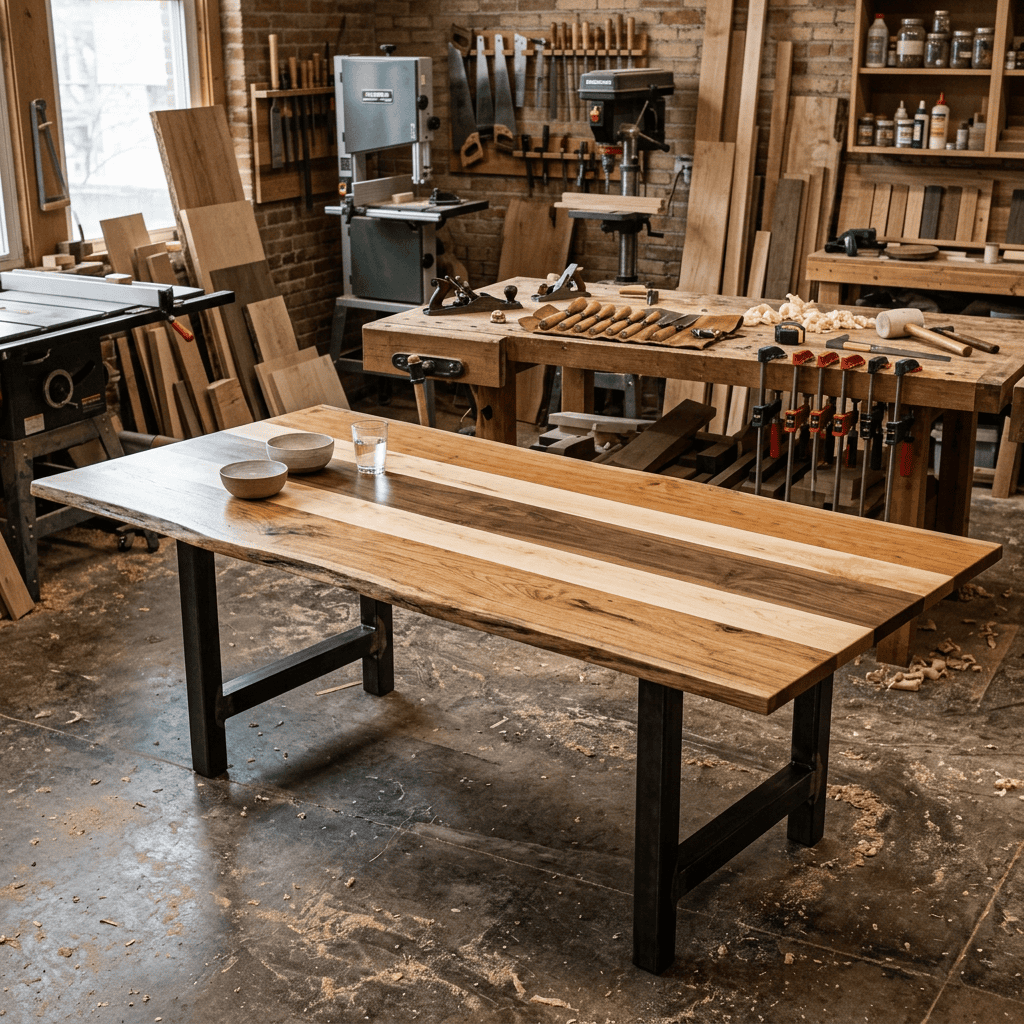
Essential Insights on Choosing Furniture Wood
When it comes to selecting the best wood for furniture, understanding your specific needs is essential. Hardwoods like oak, maple, walnut, and cherry are often celebrated for their remarkable durability, strength, and lasting beauty. These woods not only enhance the aesthetic appeal of your furniture but also ensure it withstands the test of time.
If you're working within a budget, softwoods such as pine can be a viable option when finished properly. The decision on which wood to use should take into account factors like durability, grain patterns, intended usage, maintenance requirements, and overall design aesthetics.
The Best Wood for Furniture: Understanding Durability and Aesthetic Appeal
- Hardwoods generally provide greater durability and longevity than softwoods.
- Oak, maple, walnut, and cherry are among the best wood types for premium furniture.
- Wood grain patterns significantly influence furniture aesthetics and design style.
- The intended use of the furniture should determine the ideal wood species.
- Proper finishes for wood improve appearance while protecting against moisture, scratches, and wear.
- Sustainable and eco-friendly wood options support responsible woodworking without sacrificing quality.
- Understanding wood characteristics helps furniture makers create pieces that last for generations.
Key Features of Ideal Furniture Woods Explained
Choosing the best wood for furniture is a pivotal aspect of furniture making that can significantly influence both the visual appeal and functional longevity of your pieces. The species of wood you select plays a crucial role in how well your furniture will endure everyday wear and tear.
Whether you're crafting a dining table, designing custom cabinets, or embarking on your first DIY project, familiarity with various durable wood types can empower you to make informed choices that align with your project goals.
This comprehensive guide will delve into the strengths and weaknesses of popular furniture woods while assisting you in balancing aspects such as durability, cost-effectiveness, ease of workability, and visual charm.
Comparing Hardwood and Softwood for Quality Furniture
Not all wood species deliver equal performance in furniture construction. Some woods are particularly known for their strength while others shine due to their attractive appearance or ease of machining.
The most suitable furniture woods typically exhibit several key characteristics that enhance their utility in crafting durable pieces.
Essential Overview
Durability refers to a wood's ability to withstand damage from everyday use. It encompasses resistance to:
- Dents
- Scratches
- Warping
- Moisture damage
- Everyday wear
Furniture intended for heavy daily usage-like dining tables or desks-benefits significantly from using dense hardwood species renowned for their robustness.
Understanding Durability in Wood Types
A higher degree of durability usually translates into furniture that lasts longer and requires less frequent maintenance.
Key Takeaways for Choosing Wood
Wood naturally undergoes expansion and contraction due to fluctuations in humidity levels. Stable wood species have a reduced likelihood of cracking or warping over time.
Key factors affecting stability include density, moisture resistance, grain orientation, and drying quality.
- Density
- Moisture resistance
- Grain orientation
- Drying quality
Stable wood is particularly valuable for applications requiring structural integrity such as tabletops, cabinetry, doors, shelving units, and large panels.
- Tabletops
- Cabinets
- Doors
- Shelving
- Large furniture panels
Evaluating Strength and Stability of Wood
Stable wood preserves structural integrity and helps furniture maintain its original shape for years.
Important Considerations
Visual appeal plays a major role in furniture selection.
Each species offers unique:
- Color
- Texture
- Figure
- Natural markings
- Wood grain patterns
For example:
| Wood Species | Typical Appearance | Design Style |
|---|---|---|
| Oak | Bold, open grain | Rustic, farmhouse, traditional |
| Maple | Smooth, light color | Scandinavian, contemporary |
| Walnut | Rich chocolate brown | Luxury, executive, modern |
| Cherry | Warm reddish tones | Classic, elegant, heirloom |
Beautiful grain often becomes the focal point of premium furniture.
Aesthetics: Enhancing Your Furniture's Look
Furniture aesthetics should complement both the intended room and the desired interior design style.
Final Thoughts on Aesthetic Choices
Some woods are easier to cut, shape, carve, sand, and finish than others.
Good workability benefits:
- Furniture makers
- DIY enthusiasts
- Woodworking students
- Professional cabinetmakers
Highly workable woods reduce:
- Tool wear
- Splintering
- Waste
- Production time
Workability of Different Wood Types
Choosing a wood that matches your woodworking skill level can improve both efficiency and final results.
Takeaways on Workability
Price varies significantly between wood species.
Premium hardwoods often command higher prices because of:
- Slow growth
- Limited supply
- Exceptional durability
- Decorative appearance
Budget-friendly woods may still perform well for many projects when paired with proper construction techniques and quality finishes.
Cost Factors in Choosing Wood for Furniture
The most expensive wood isn’t always the best choice—select the species that fits your project’s purpose and budget.
A Comprehensive Comparison of Hardwoods and Softwoods
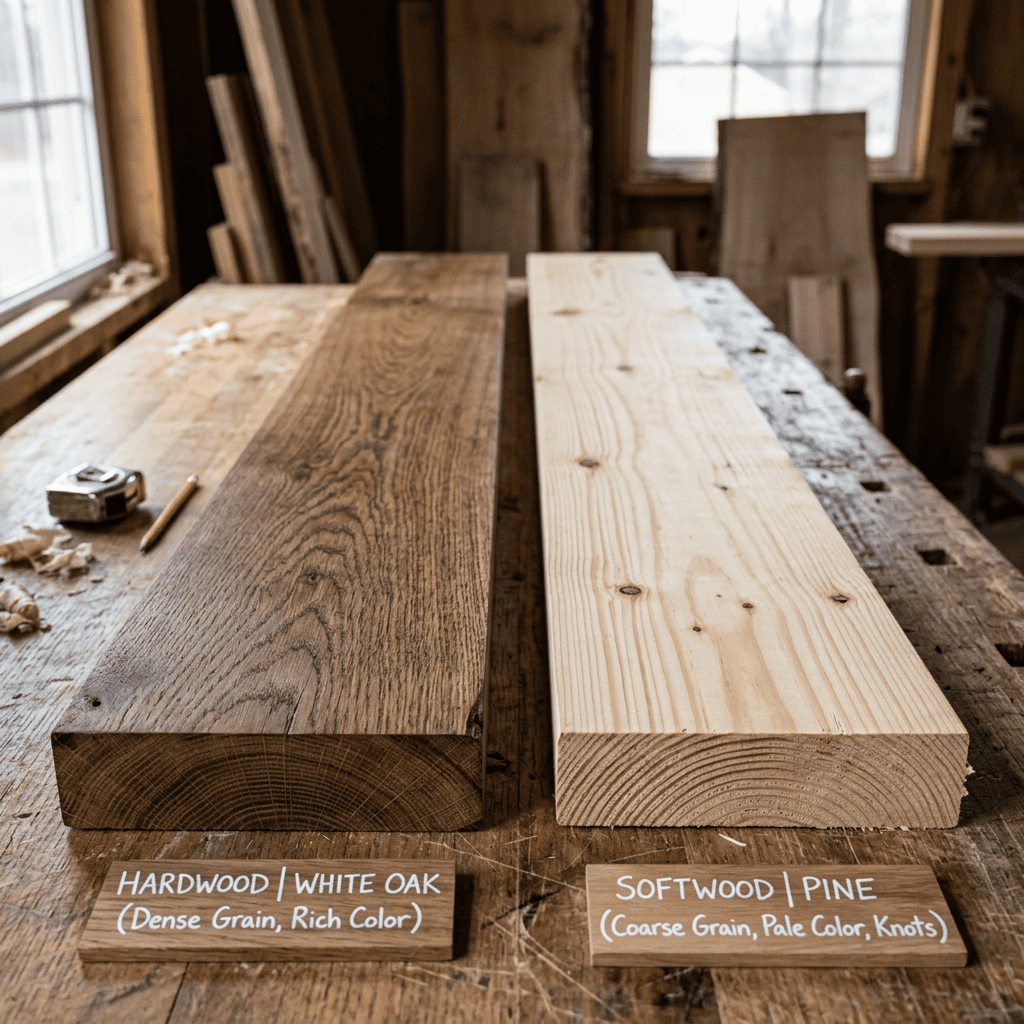
One of the most common questions among furniture buyers and makers is whether hardwood furniture is always better than softwood furniture.
The answer depends on the project.
Hardwoods come from deciduous trees, while softwoods come from coniferous trees. Despite their names, some softwoods are surprisingly durable, and some hardwoods are relatively soft.
Summary on Cost Considerations
Hardwoods are widely regarded as the gold standard for quality furniture.
The Benefits of Hardwood Furniture
- Excellent durability
- Long lifespan
- Superior scratch resistance
- Rich natural grain
- High resale value
- Better structural strength
Advantages of Using Hardwoods
- Oak
- Maple
- Walnut
- Cherry
- Ash
- Mahogany
Popular Hardwood Species Explained
- Dining tables
- Dressers
- Bed frames
- Cabinets
- Luxury furniture
- Office furniture
Best Uses for Hardwoods in Furniture Making
- Higher cost
- Greater weight
- More challenging to machine
- Longer drying times
Pitfalls to Watch for with Hardwoods
Hardwood furniture offers outstanding durability and timeless beauty, making it ideal for investment pieces.
Final Takeaways on Hardwood Choices
Softwoods remain popular because they are affordable, lightweight, and easier to work with.
Advantages
- Lower cost
- Lightweight
- Easy to machine
- Beginner-friendly
- Sustainable availability
Common Softwood Species
- Pine
- Cedar
- Douglas Fir
- Spruce
Best Applications
- Bookshelves
- Rustic furniture
- Decorative pieces
- Children’s furniture
- Farmhouse designs
Potential Drawbacks
- Easier to dent
- More susceptible to scratches
- Shorter lifespan under heavy use
Takeaway
Softwood furniture provides excellent value for decorative, rustic, and budget-conscious projects.
Top Hardwood Choices for Stunning Furniture Designs
| Feature | Hardwood | Softwood |
|---|---|---|
| Durability | Excellent | Moderate |
| Density | High | Lower |
| Scratch Resistance | High | Moderate |
| Cost | Higher | Lower |
| Weight | Heavy | Light |
| Furniture Lifespan | 30–100+ years | 10–40 years |
| Ease of Woodworking | Moderate | Easy |
| Furniture Aesthetics | Premium grain patterns | Simpler appearance |
| Best For | High-end furniture | Budget-friendly projects |
Oak: The Gold Standard in Durable Furniture Materials
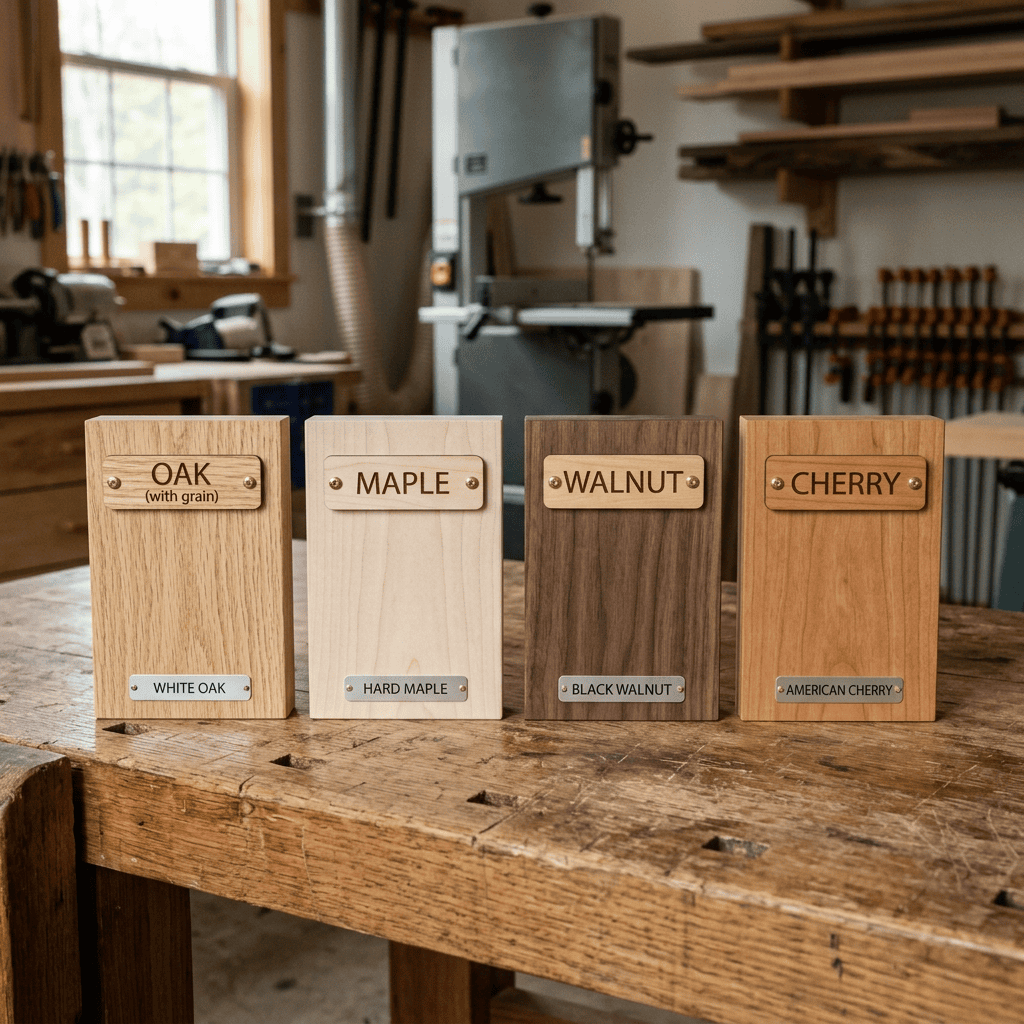
Hardwoods remain the preferred choice for furniture that combines longevity with exceptional appearance.
Below are four of the most trusted wood species used by professional furniture makers worldwide.
Maple: The Versatile Choice for Strong and Smooth Finishes
Oak has earned its reputation as one of the best wood for furniture choices because it balances strength, beauty, affordability, and availability.
Its prominent grain patterns give furniture a distinctive character that works well in both traditional and modern interiors.
Benefits
- Extremely durable
- High moisture resistance
- Excellent strength
- Attractive grain
- Readily available
- Accepts stains and finishes well
Best Uses
- Dining tables
- Chairs
- Cabinets
- Flooring
- Bookcases
- Bedroom furniture
Optimal Applications for the Best Wood for Furniture
Oak’s pronounced grain may not suit minimalist designs, but it excels in rustic, farmhouse, and craftsman-inspired furniture.
Key Factors to Consider When Choosing the Best Wood for Furniture
Oak offers one of the best combinations of durability, affordability, and timeless furniture aesthetics.
Walnut: Unmatched Elegance and Unique Character in Wood
Maple is prized for its exceptional hardness and clean, uniform appearance.
Its subtle grain makes it a favorite for contemporary furniture where simplicity and precision are valued.
Your Essential Takeaway on the Best Wood for Furniture Selection
- Very hard surface
- Excellent wear resistance
- Smooth grain
- Light natural color
- Highly stable
- Ideal for painted or stained finishes
Advantages of Using the Best Wood for Furniture Projects
- Kitchen tables
- Dressers
- Desks
- Cutting boards
- Cabinets
- Modern furniture
Ideal Uses for the Best Wood for Furniture in Your Home
Because of its density, maple can be slightly more difficult to stain evenly without proper preparation.
Important Considerations When Selecting the Best Wood for Furniture
Maple combines outstanding strength with a refined appearance, making it ideal for high-traffic furniture.
Cherry: The Timeless Beauty That Grows More Alluring with Time
Walnut is often considered one of the most luxurious furniture woods available.
Its rich chocolate-brown color and flowing grain patterns create elegant furniture that rarely requires heavy staining.
Key Takeaways About the Best Wood for Furniture Choices
- Rich natural color
- Beautiful wood grain patterns
- High dimensional stability
- Good durability
- Excellent carving properties
- Ages gracefully
Benefits of Choosing the Best Wood for Your Furniture Needs
- Executive desks
- Coffee tables
- Luxury cabinets
- Decorative furniture
- Headboards
- Statement pieces
Best Uses of Various Types of Wood in Furniture Making
Walnut typically costs more than many domestic hardwoods, making it best suited for premium furniture projects.
Considerations to Keep in Mind with Different Woods for Furniture
Walnut is an excellent choice for heirloom-quality furniture that emphasizes sophistication and natural beauty.
The Best Softwoods to Consider for Your Furniture Projects
Cherry wood is valued for its warm reddish tones and remarkable aging characteristics.
Unlike many species, cherry gradually develops a deeper, richer color when exposed to light, enhancing its visual appeal over time.
Your Takeaway: Selecting the Right Wood for Furniture
- Smooth texture
- Elegant grain
- Excellent workability
- Good stability
- Beautiful aging process
- Premium appearance
The Benefits of Investing in Quality Woods for Furniture
- Fine cabinetry
- Dining room furniture
- Bedroom sets
- Antique reproductions
- Custom woodworking projects
Best Applications of Top Woods for Crafting Beautiful Furniture
Cherry wood is generally softer compared to oak or maple, which means it may be more prone to developing small dents when used in high-impact environments. This characteristic makes it important to consider the specific use case for any furniture made from cherry, especially in areas with heavy traffic.
What to Consider When Choosing the Best Woods for Your Projects
Renowned for its timeless elegance, cherry wood also develops a distinctive patina over time, which enhances its appeal. This feature makes it a popular choice among artisans creating heirloom-quality furniture and fine craftsmanship pieces that are intended to last.
Your Key Takeaway on Optimal Wood Selections for Furnishing
While hardwoods are often favored for premium furniture due to their durability and strength, softwood furniture remains an appealing option for many projects. Softwoods tend to be more budget-friendly, easier to work with, and readily available, making them favorites among DIY enthusiasts and both amateur and professional furniture makers.
The key factor is selecting the right species that aligns with the intended application and desired aesthetics.
The Rewards of Selecting Premium Woods for Your Furniture Designs
Pine stands out as one of the most commonly utilized softwoods in furniture construction due to its affordability and ease of handling. Its light color and visible knots contribute a warm, rustic charm that fits seamlessly into farmhouse, cottage, and Scandinavian design styles.
Best Utilizations of Quality Woods in Creating Lasting Furniture
- Budget-friendly
- Lightweight
- Easy to cut, shape, and sand
- Takes paint exceptionally well
- Readily available
- Renewable resource
Critical Factors to Weigh in Choosing Top Quality Woods for Your Furniture
- Bookshelves
- Children’s furniture
- Rustic dining tables
- Bed frames
- Painted cabinets
- DIY furniture projects
Considerations
However, because pine is relatively soft compared to hardwoods, it is more susceptible to dents and scratches. To enhance its durability significantly, applying protective finishes can help maintain its appearance over time.
Takeaway
Pine serves as an excellent choice for budget-friendly furniture options as well as beginner woodworking projects where charm and ease of use are top priorities.
Cedar: Naturally Resistant and Aromatic
Cedar is highly regarded for its natural resistance against insects, moisture, and decay. Additionally, it emits a pleasant aroma that helps repel moths, making it an ideal material for storage furniture such as chests or closets.
Benefits
- Naturally insect resistant
- Moisture resistant
- Lightweight
- Distinctive grain
- Pleasant fragrance
- Minimal maintenance
Best Uses
- Chests
- Closets
- Outdoor furniture
- Storage cabinets
- Blanket boxes
Considerations
Although cedar is softer than many other types of wood, this property makes it more suitable for decorative items and storage applications rather than high-impact furniture pieces that require greater durability.
Takeaway
Cedar provides excellent durability in humid environments, proving itself an outstanding choice not only for indoor storage but also for outdoor furniture applications.
Essential Factors for Choosing the Best Wood for Furniture
Douglas Fir offers a balance between cost-effectiveness and structural strength. Although its grain may not be as decorative as that of premium hardwoods, it delivers excellent stability and load-bearing capabilities.
Key Insights on Selecting the Best Wood for Furniture
- High strength-to-weight ratio
- Stable
- Affordable
- Widely available
- Easy to machine
Final Thoughts on the Best Wood for Furniture
- Workbenches
- Desks
- Utility furniture
- Shelving
- Structural furniture components
Sustainable Options: The Best Wood for Furniture
Due to its less ornate grain pattern, Douglas Fir is often painted or stained in order to achieve the desired aesthetic in various furniture designs.
The Strength and Beauty of Oak: Best Wood for Furniture
When structural performance takes precedence over decorative features, Douglas Fir emerges as a reliable option that meets those needs effectively.
Maple: A Top Choice in the Best Wood for Furniture
A defining characteristic of quality furniture lies in its natural grain. Wood grain patterns not only influence visual appeal but also texture, finishing techniques, and overall design style.
Different wood species produce unique grain patterns that complement various interior styles. When choosing wood, it's essential to determine if you want the grain to stand out as a focal point or blend subtly into your decor.
| Grain Pattern | Characteristics | Common Wood Species | Best Design Style |
|---|---|---|---|
| Straight Grain | Clean, consistent lines | Maple, Cherry | Modern, Scandinavian |
| Open Grain | Bold texture | Oak, Ash | Rustic, Farmhouse |
| Fine Grain | Smooth surface | Walnut, Maple | Contemporary, Luxury |
| Curly or Figured Grain | Decorative waves | Maple, Walnut | Statement Furniture |
| Knotty Grain | Visible natural knots | Pine, Cedar | Cottage, Rustic |
Selecting the appropriate wood grain pattern can greatly enhance the aesthetics of your furniture while contributing to a cohesive interior design scheme.
Bamboo: Eco-Friendly Best Wood for Furniture Solutions
Choosing the right wood grain pattern enhances furniture aesthetics and helps create a cohesive interior design.
Rubberwood: Affordable Best Wood for Furniture Option
Sustainability has become an increasingly important consideration in furniture manufacturing. Choosing eco-friendly wood helps protect forests while supporting responsible forestry practices.
Look for wood certified by organizations such as the Forest Stewardship Council (FSC) or the Programme for the Endorsement of Forest Certification (PEFC).
Reclaimed Wood: Sustainable Best Wood for Furniture Picks
The Advantages of Choosing Eco-Friendly Best Wood for Furniture
Responsibly managed oak forests provide durable hardwood suitable for generations of use.
Your Takeaway on the Best Wood for Furniture Choices
Widely available and sustainably harvested in many regions.
Understanding Oil Finishes for the Best Wood for Furniture
Although technically a grass, bamboo grows rapidly and is often used as an environmentally friendly furniture material.
The Benefits of Different Finishing Techniques on the Best Wood for Furniture
Harvested from latex-producing trees after their productive life, reducing waste while creating durable furniture.
Selecting the Right Finish for Your Best Wood for Furniture Project
Recovered from old buildings, barns, factories, and warehouses, reclaimed wood gives existing timber a second life while reducing demand for newly harvested trees.
The Role of Polyurethane in Protecting the Best Wood for Furniture
- Reduces environmental impact
- Supports sustainable forestry
- Often offers unique grain characteristics
- Reduces landfill waste
- Appeals to environmentally conscious buyers
The Benefits of Polyurethane Finishes on the Best Wood for Furniture
Choosing responsibly sourced wood combines environmental responsibility with long-lasting furniture quality.
Your Guide to Choosing Finishes with the Best Wood for Furniture
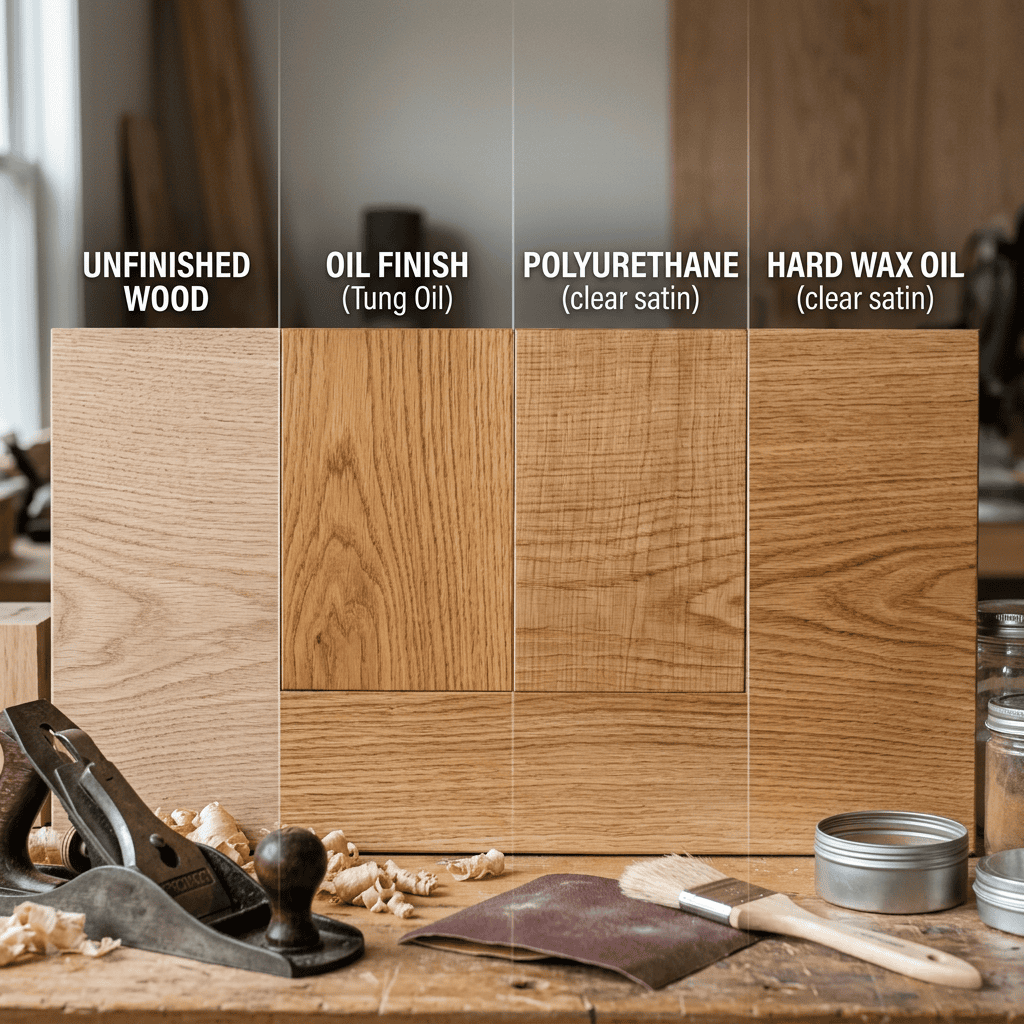
Selecting the right finishes for wood is just as important as selecting the wood itself. A quality finish protects furniture while highlighting its natural beauty.
Oil Finishes
Examples include:
- Tung oil
- Danish oil
- Linseed oil
Advantages
- Enhances natural grain
- Easy to repair
- Warm appearance
Best For
- Walnut
- Cherry
- Handmade furniture
Polyurethane
One of the most durable protective finishes available.
Advantages
- Scratch resistant
- Water resistant
- Low maintenance
Best For
- Dining tables
- Kitchen furniture
- Children’s furniture
Lacquer
Lacquer provides a smooth, professional finish commonly used in commercial furniture manufacturing.
Advantages
- Fast drying
- Smooth appearance
- Excellent clarity
1. Selecting the Best Wood for Your Furniture Project
- Modern furniture
- Cabinets
- High-end furniture
2. Importance of Acclimating Wood for Quality Furniture
A growing favorite among professional furniture makers.
3. Ensuring Proper Moisture Content in Wood Choices
- Natural appearance
- Easy spot repairs
- Good durability
- Environmentally friendly options available
4. Understanding Grain Direction for Better Furniture
- Solid wood tables
- Hardwood flooring
- Contemporary furniture
5. The Importance of Quality Joinery in Furniture Making
| Furniture Type | Recommended Finish |
|---|---|
| Dining Table | Polyurethane or Hard Wax Oil |
| Coffee Table | Oil Finish or Polyurethane |
| Cabinets | Lacquer |
| Outdoor Furniture | Exterior Oil or Marine Varnish |
| Decorative Furniture | Tung Oil or Danish Oil |
6. Mastering the Art of Sanding for Smooth Finishes
A high-quality finish extends furniture life while enhancing the wood’s natural color, texture, and grain.
Key Takeaway: Choosing the Right Wood Matters
Successful furniture projects depend on more than selecting the right wood. Following proven woodworking tips improves both craftsmanship and durability.
Avoid These Mistakes When Choosing Wood Appearance
Use dense hardwoods for high-use furniture and lighter woods for decorative pieces.
Don't Overlook Moisture Resistance in Wood Selection
Store wood in the workshop for several days before construction to minimize movement after assembly.
Understanding Maintenance Needs for Different Woods
Wood that is too wet may warp or crack after construction.
Aim for moisture levels appropriate to your local climate and indoor environment.
The Risks of Using Softwoods for Heavy Furniture
Cutting and sanding with the grain produces smoother surfaces and reduces tear-out.
How Overall Design Affects Your Wood Choice
Strong joints contribute more to furniture longevity than wood species alone.
Examples include:
- Mortise and tenon
- Dovetail joints
- Dowels
- Floating tenons
- Pocket-hole joinery (where appropriate)
Your Key Takeaway for Best Wood Selection
Progress through multiple grit levels for professional results.
Avoid skipping grits, which can leave visible scratches beneath the finish.
Your Handy Decision Checklist for Choosing Wood
Good woodworking practices maximize the performance and appearance of every wood species.
A Final Takeaway on Selecting the Best Wood for Furniture
Even experienced woodworkers occasionally choose unsuitable materials.
Avoid these common mistakes.
What Is Considered the Best Wood for Furniture Overall?
Beautiful grain cannot compensate for poor durability in heavy-use furniture.
Ignoring Moisture Resistance
Bathrooms, kitchens, and outdoor furniture require woods that tolerate changing humidity.
strong > Which Type of Wood Has the Longest Lifespan? / strong >
Different finishes for wood can vary widely in their maintenance needs. Some require periodic reapplication to maintain their protective qualities, while others may offer years of protection with minimal care, making them ideal for various furniture applications.
strong > What Is the Best Wood Choice for Dining Tables? / strong >
Pine is a popular choice for decorative shelving due to its light weight and ease of use, but it may not be the best option for frequently used dining tables unless adequately protected with a durable finish.
strong > Which Type of Wood Exhibits the Most Attractive Grain? / strong >
When selecting wood for your furniture, it's crucial to ensure that the species complements not only the design of the piece but also the style of the room and its intended function. This synergy between wood type and design enhances both aesthetics and practicality.
strong > Is Pine a Suitable Option for Furniture Construction? // strong>
By balancing factors like durability, aesthetics, budget constraints, and maintenance requirements, you can make smarter choices about materials that will lead to beautiful and functional furniture pieces.
How to Choose the Best Wood for Furniture
Your choice of wood ultimately depends on your specific priorities. Refer to the following guide to help simplify your decision-making process when considering the best wood for furniture.
| Your Priority | Recommended Wood |
|---|---|
| Maximum Durability | White Oak, Maple |
| Luxury Appearance | Walnut |
| Classic Elegance | Cherry |
| Budget-Friendly | Pine |
| Outdoor Furniture | Cedar |
| Structural Strength | Douglas Fir |
| Sustainable Choice | FSC-Certified Oak, Maple, Rubberwood, Reclaimed Wood |
| Easy for Beginners | Pine |
| Premium Dining Tables | Oak or Walnut |
| Modern Furniture Design | Maple or Walnut |
Decision Checklist
Before purchasing wood, consider questions like: What is the intended use of this furniture? How often will it be used? What appearance do you want to achieve? These considerations are vital in selecting the right material.
- Will the furniture receive heavy daily use?
- Do I prefer bold or subtle wood grain patterns?
- Is long-term durability my highest priority?
- What maintenance am I willing to perform?
- Does the wood complement my interior design?
- Is sustainability important for this project?
- Does the wood fit within my budget?
Answering these questions helps you strike a balance among durability, aesthetic appeal, cost-effectiveness, and practical functionality.
Takeaway
There isn't a single "perfect" wood for furniture; instead, the best choice aligns with your project's specific functions, design goals, budgetary constraints, and maintenance expectations.
Common Questions About the Best Wood for Furniture
Which wood types are best for your furniture needs?
Oak, maple, walnut, and cherry are considered top choices for most furniture applications. Oak and maple provide exceptional durability while walnut offers luxurious aesthetics. Cherry develops a beautiful patina over time, making it an appealing option as well. Your ideal selection should reflect your budget and intended use.
What finishes enhance the durability of your chosen wood?
Not necessarily! While hardwood furniture typically boasts greater strength and longevity than softwood alternatives like pine or cedar, these softer woods can still be excellent for decorative items or rustic designs. The key is determining how you plan to use each piece of furniture.
Steps to Select the Best Wood for Your Furniture Projects
White oak, hard maple, walnut, and teak rank among the most enduring options available for furniture woods. With proper construction methods and routine maintenance, items crafted from these species can remain both functional and visually appealing for decades-or even generations-making them worthwhile investments.
Create Stunning Furniture with the Best Wood Options Available
Oak and maple are particularly well-suited for dining tables because they resist dents, scratches, and daily wear exceptionally well. Walnut also stands out as an excellent choice if you're seeking premium aesthetics combined with remarkable durability.
Which wood has the most attractive grain?
"Beauty is subjective," but walnut is widely revered for its rich grain patterns that flow beautifully. In contrast, oak features bold textures while cherry presents a subtle elegance. Maple is favored in contemporary settings due to its clean lines that complement modern interiors seamlessly.
Is pine good for furniture?
Pine is indeed an affordable option that works wonderfully for projects like bookshelves or bed frames. While it's softer than hardwoods like oak or maple, proper finishing techniques along with regular upkeep can significantly extend its lifespan without compromising on performance.
How important is the finish?
"A quality finish" is essential as it protects your furniture from moisture damage, scratches, stains, and UV exposure while simultaneously enhancing the natural beauty of the selected wood species. Choosing the right finish maximizes both durability and visual appeal.
What is the most sustainable wood for furniture?
Eco-friendly wood options include responsibly sourced oak, maple, rubberwood, reclaimed timber, and FSC-certified lumber. By opting for sustainably harvested materials, you support responsible forest management practices while minimizing environmental impact.
Why This Matters
"Choosing the right wood" goes beyond mere appearance; it directly affects a piece's overall durability, functionality during use cases such as dining or working at desks-and influences long-term value retention too.
Professional furniture makers know that exceptional furniture results from combining quality materials with thoughtful craftsmanship. A beautiful wood species may disappoint if it lacks the strength required for everyday use, while an extremely durable wood may not achieve the desired design aesthetic.
Understanding the relationship between durable wood types, furniture aesthetics, wood grain patterns, and finishes for wood allows you to make informed decisions that balance performance, beauty, and cost.
Whether you’re designing custom cabinetry, building a family dining table, furnishing a new home, or completing your first woodworking project, selecting the right wood ensures your investment continues to perform and look its best for years to come.
In today’s market, sustainability is equally important. Choosing eco-friendly wood from responsibly managed forests or reclaimed sources helps protect natural resources while supporting high-quality craftsmanship.
Ultimately, the best furniture combines intelligent material selection, sound construction techniques, and finishes that preserve the wood’s natural character. Understanding these principles helps you create or purchase furniture that delivers lasting value rather than requiring premature replacement.
FAQ
Which wood is best for furniture durability?
Hardwoods such as white oak, hard maple, walnut, and cherry are among the most durable furniture woods. They resist wear, dents, and warping better than most softwoods, making them ideal for frequently used furniture like dining tables, cabinets, and bed frames.
What is the difference between hardwood and softwood furniture?
Hardwood furniture is generally denser, stronger, and more resistant to damage, while softwood furniture is lighter, more affordable, and easier to work with. Both have valuable applications depending on budget, intended use, and design preferences.
What wood is easiest for beginners to work with?
Pine is one of the best woods for beginners because it is affordable, lightweight, easy to cut, and widely available. It machines well with basic tools and is suitable for many DIY furniture projects.
Which wood finish provides the best protection?
Polyurethane offers excellent protection against moisture, scratches, and everyday wear, making it a popular choice for high-use furniture. Hard wax oil also provides durable protection while preserving a more natural appearance and allowing easier spot repairs.
How can I choose the best wood for my furniture project?
Start by identifying the furniture’s intended use, expected wear, desired appearance, maintenance requirements, sustainability goals, and budget. Matching these factors to the characteristics of each wood species helps ensure the best long-term results.
Final Summary
The best wood for furniture balances durability, aesthetics, functionality, and budget. For premium furniture, hardwoods such as oak, maple, walnut, and cherry remain the leading choices because of their strength, longevity, and distinctive wood grain patterns.
Softwoods like pine, cedar, and Douglas Fir provide practical alternatives for decorative, rustic, and budget-friendly projects.
Beyond selecting the right species, factors such as responsible sourcing, proper woodworking techniques, and protective finishes play an equally important role in creating furniture that stands the test of time.
By understanding each wood’s unique characteristics, you can confidently choose materials that complement your design goals, withstand daily use, and enhance the beauty of any living space.
Whether you’re a professional furniture maker, interior designer, homeowner, or DIY enthusiast, informed material selection is the foundation of furniture that delivers lasting performance and timeless appeal.
For additional information about wood species, sustainable forestry, and responsible woodworking practices, visit The Wood Database, the U.S. Forest Service, and the Forest Stewardship Council (FSC) .
Build Better Furniture with Expert Woodworking Plans
Choosing the best wood for furniture is only the first step. If you’re ready to build professional-quality furniture with confidence, explore step-by-step woodworking plans, time-saving techniques, and proven project guides.